

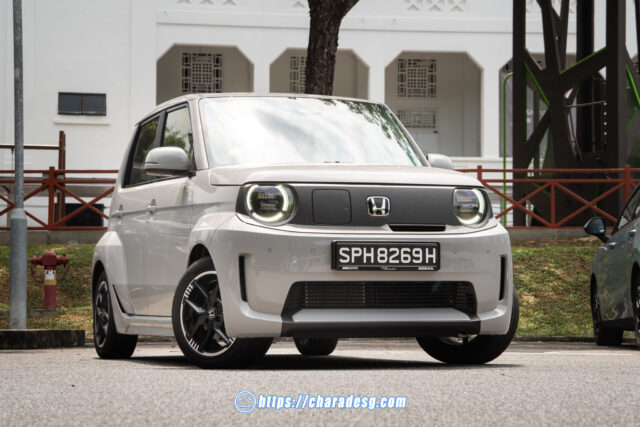
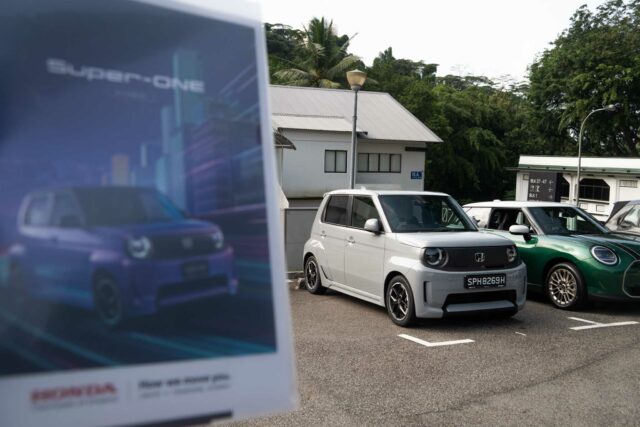
The new Super-ONE is now officially registered in Singapore. Its a nice little thing, isn’t it?
You’ve seen our enthusiasm with the new Honda Super-ONE, so somehow it would be a matter of time before one of us gets to talk about the real thing.
And thus, its here. The Super-ONE is amongst the more popular new cars being launched in Singapore, given Honda’s approach with the new hot hatchback is keeping it true to the beauty of its older models. As stated by many including myself, the Super-ONE borrows heavy design inspiration to the 1980s Honda City Turbo II. The “Bulldog” name dubbed for that city car is also the Honda Access branding for the new EV domestically, so calling it the official successor would not be far-fetched.
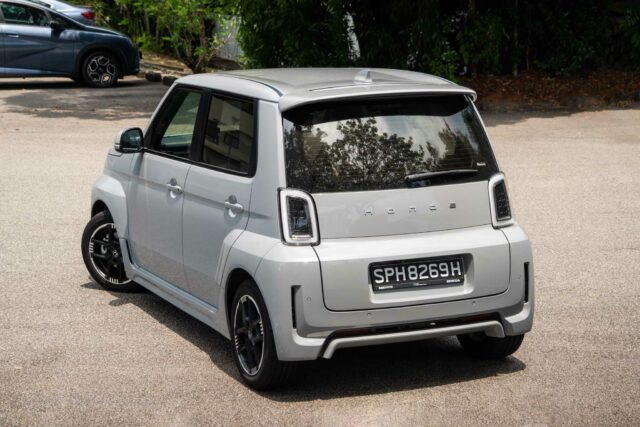
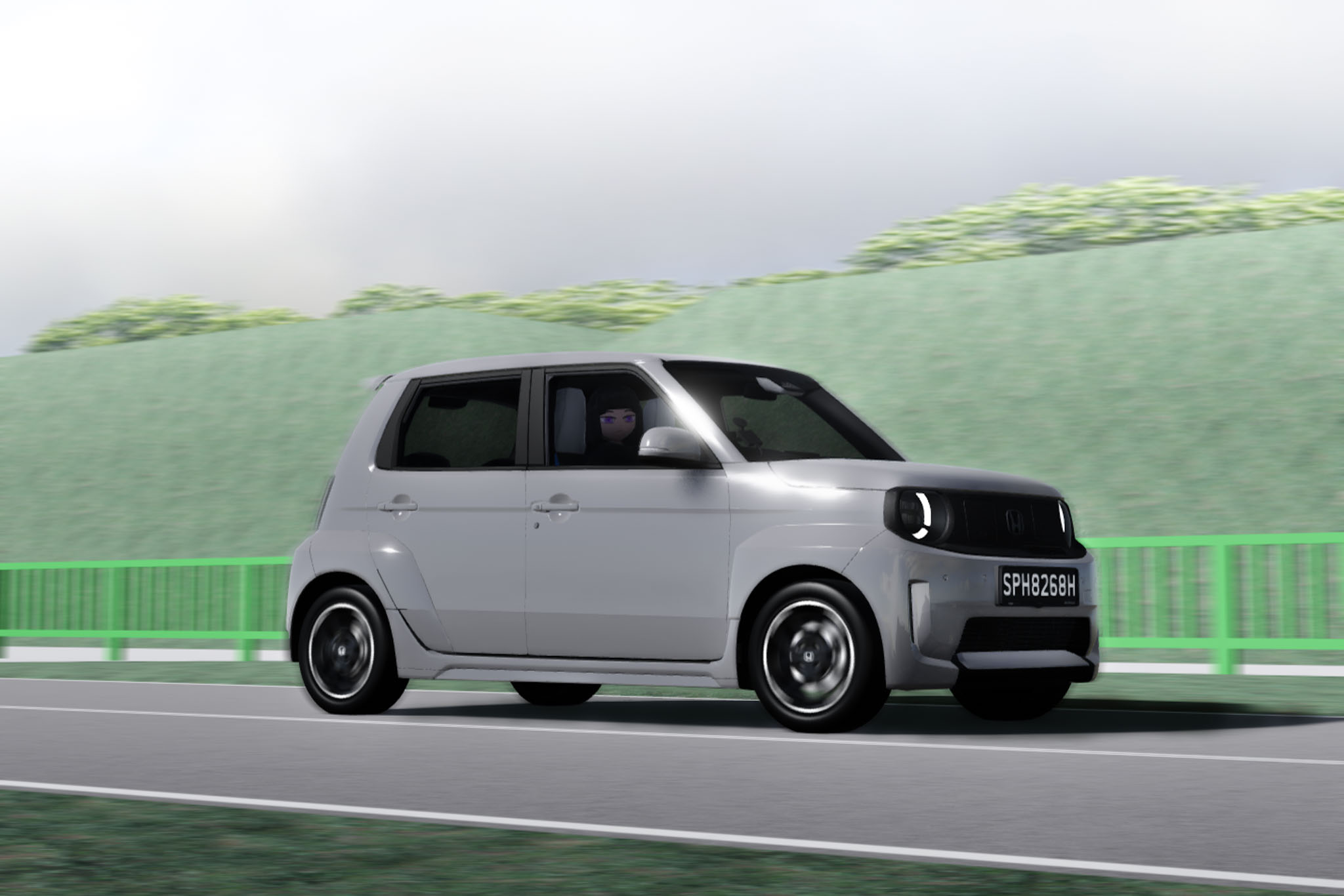
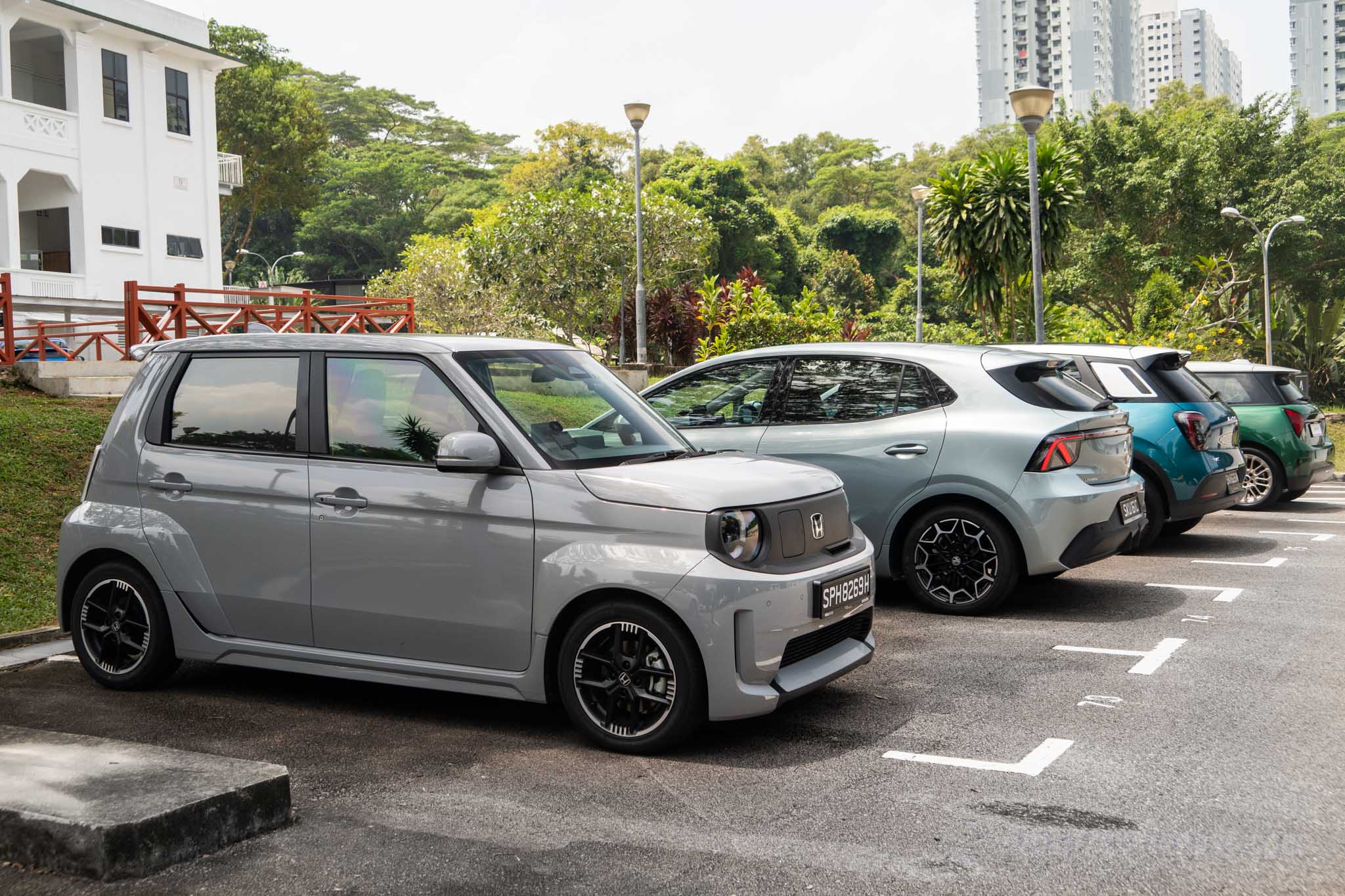
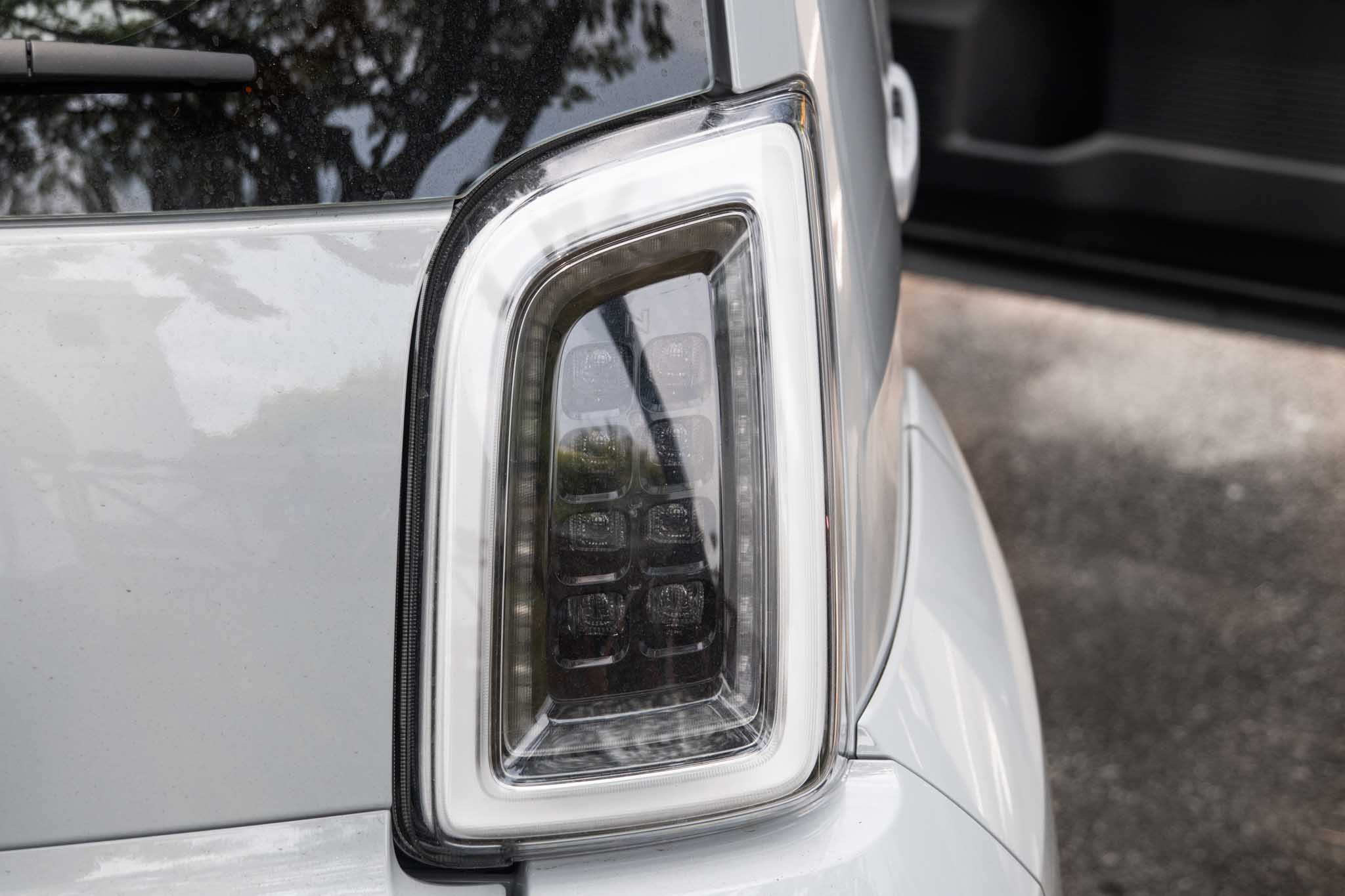
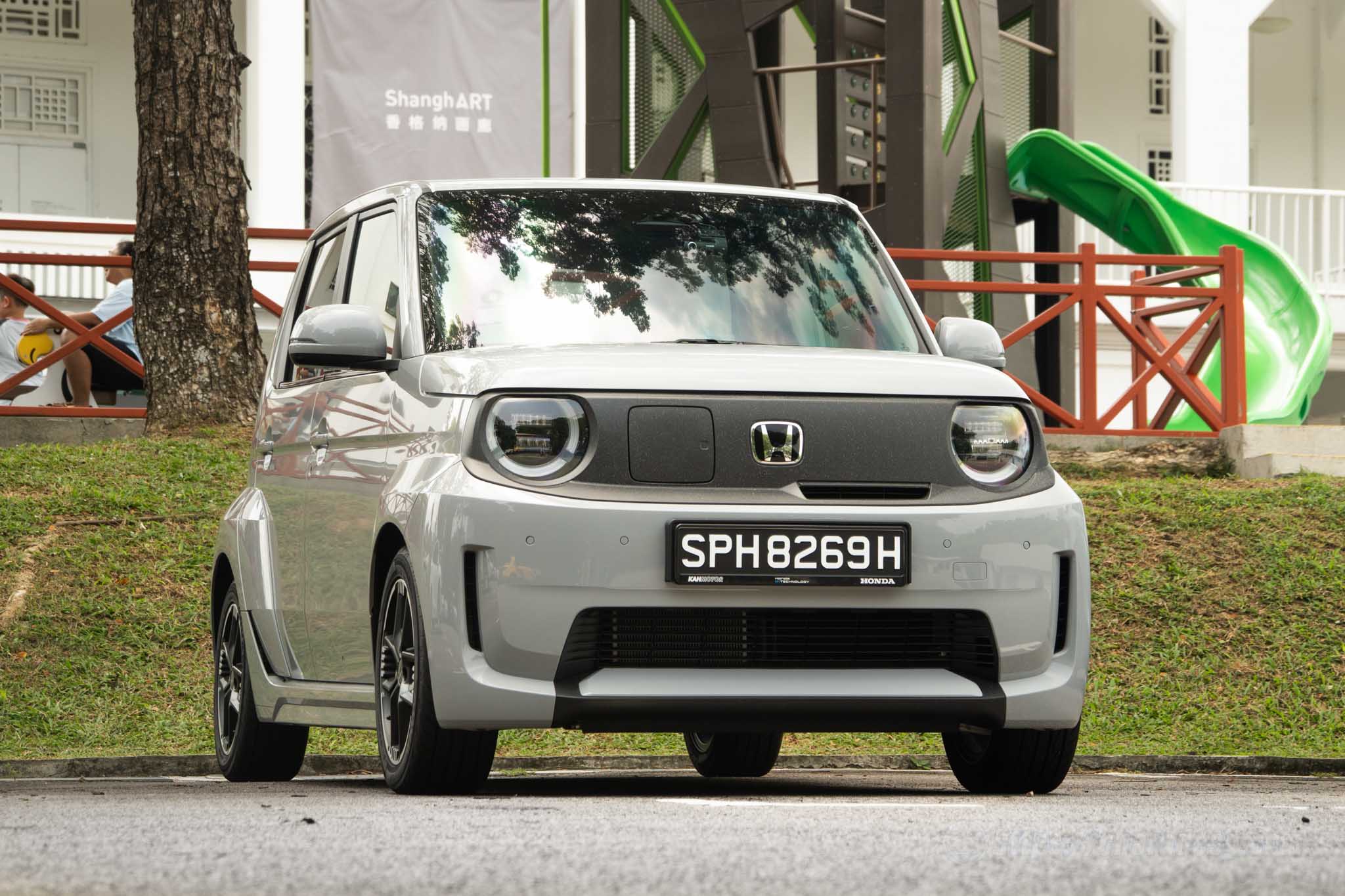
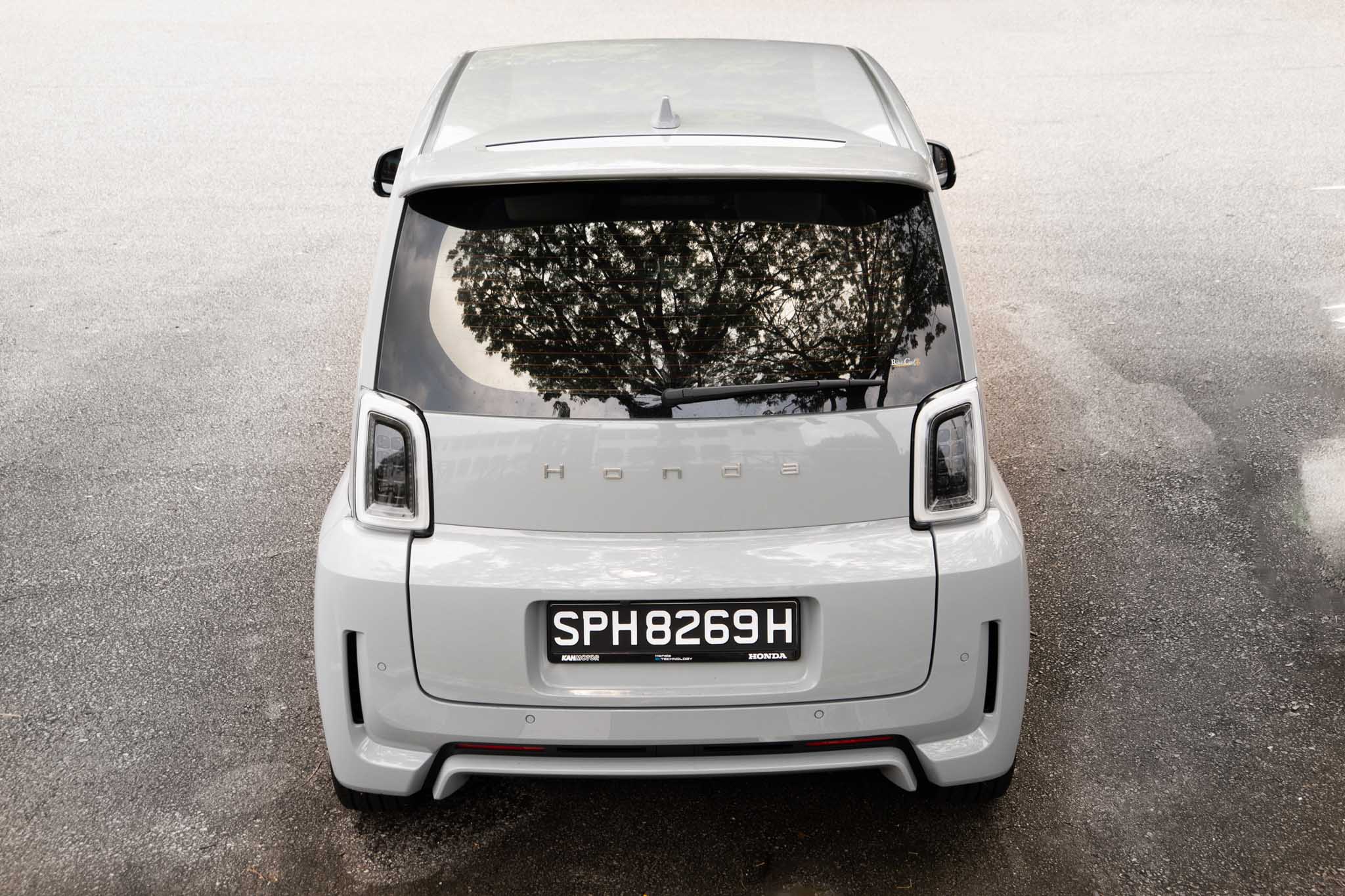
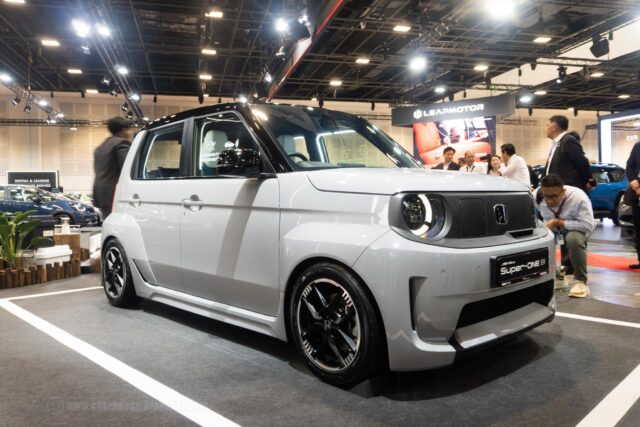
The Super-ONE is largely the same as the one shown in the Singapore Motorshow this year. The exterior shade is Luminous Grey without the two-tone paint, giving it somewhat of an ironman impression.
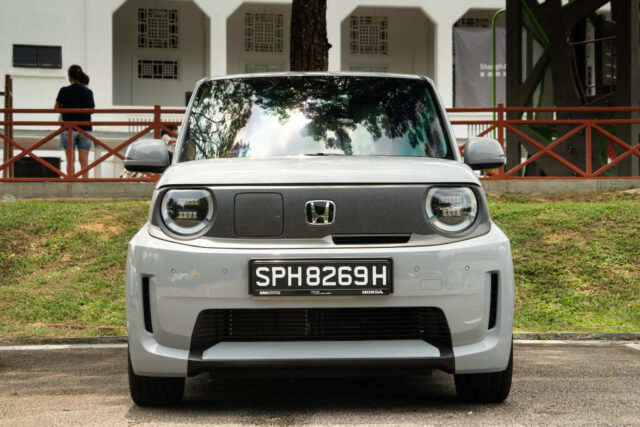
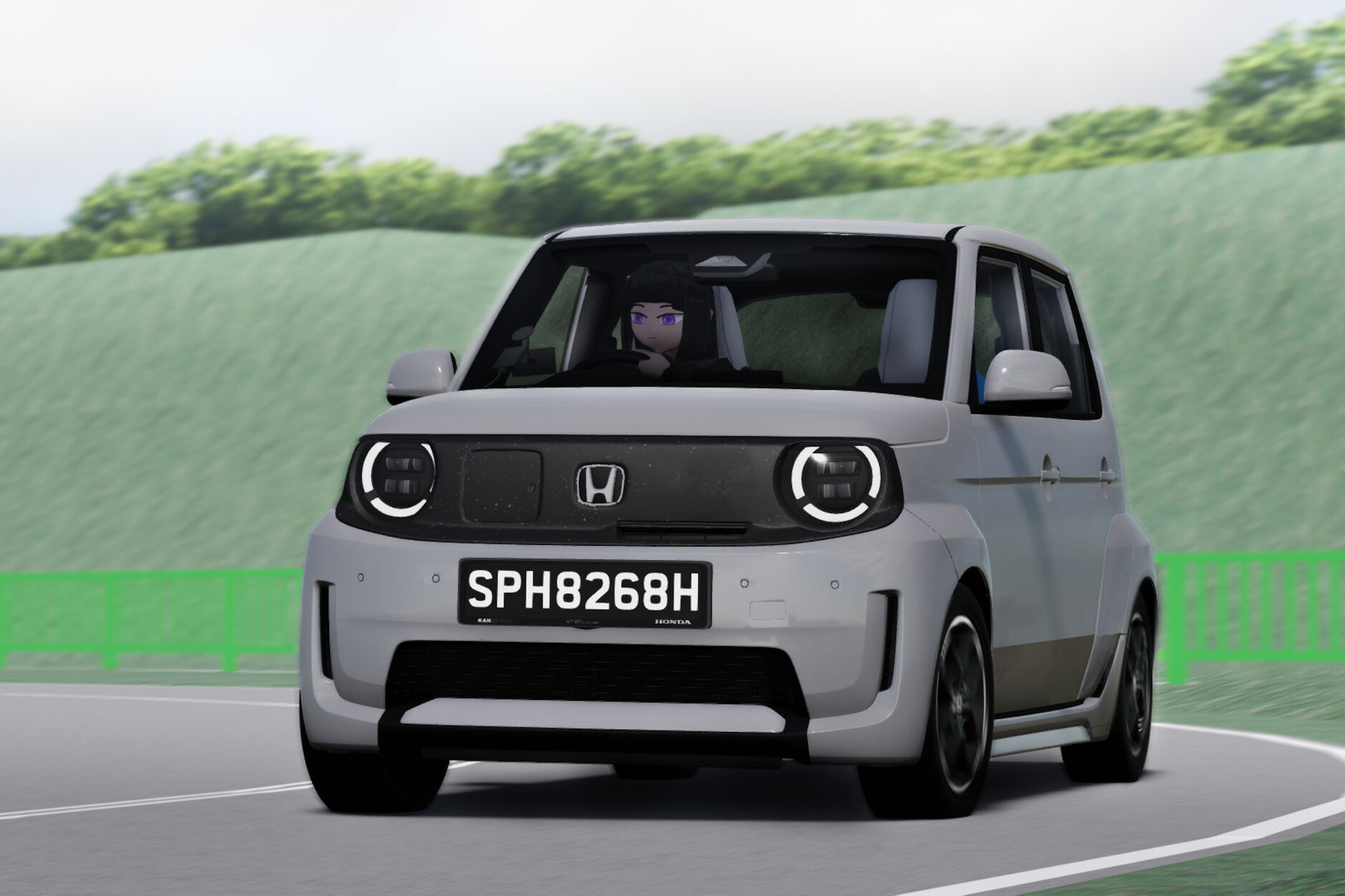
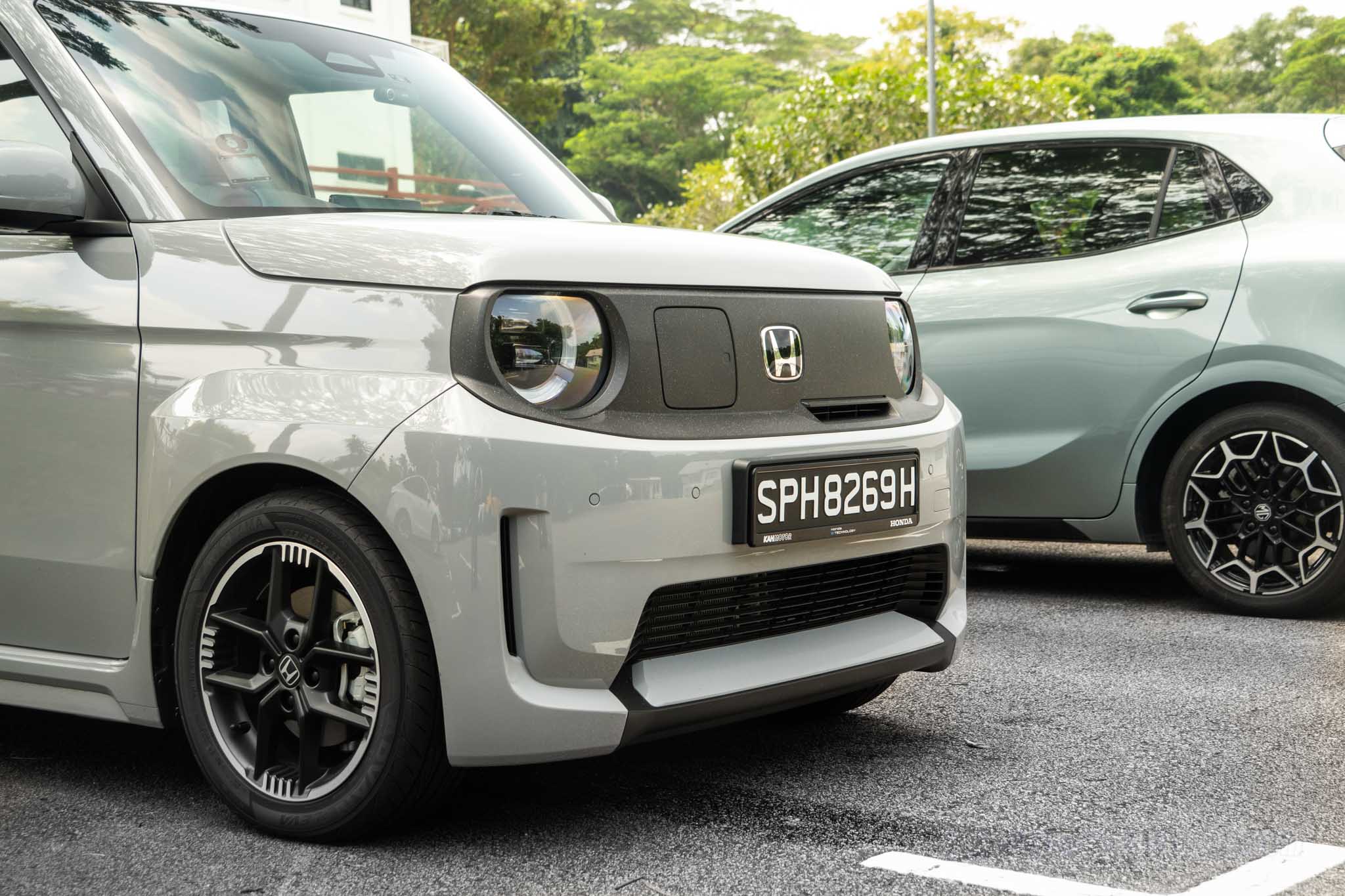
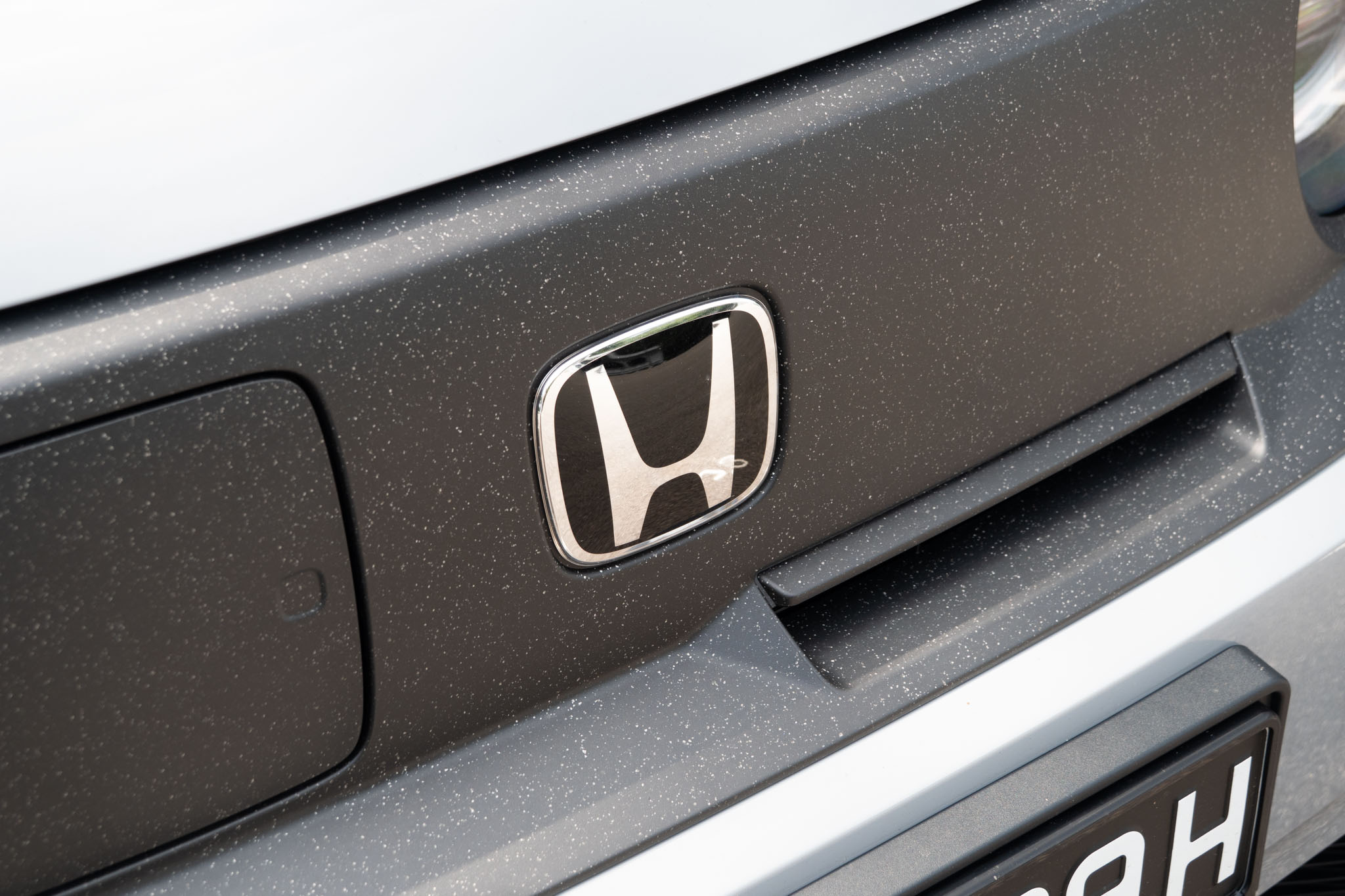
The fascia is particularly guppy with a huge opening on the front. The lights are a hard point of the Honda ONE, which is also a design language for Honda’s current kei cars that include the N-Van. This gives the Super-ONE its large eyes so-to-speak, which combined with the front dam gives it s more characterful expression than other designs.
Inside, the interior is not very airy courtesy of its size, being derived from kei car regulations and spun off the Honda ONE platform. Kei cars are a Japanese-specific category of vehicles that are sized small with powertrain capacities to match. They would work for city states like Singapore, but the country had abolished the old COE system early on that actually had a dedicated category for these kei cars.
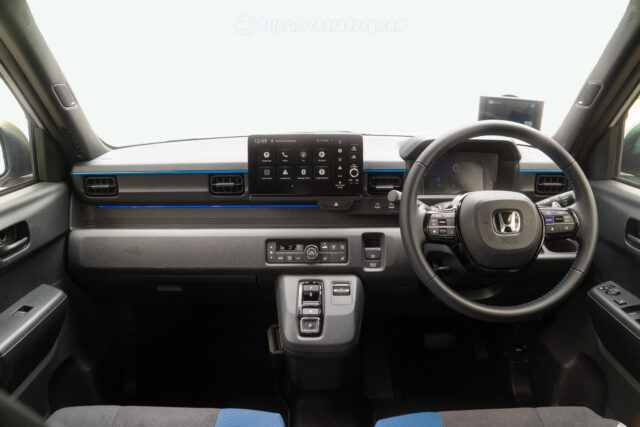
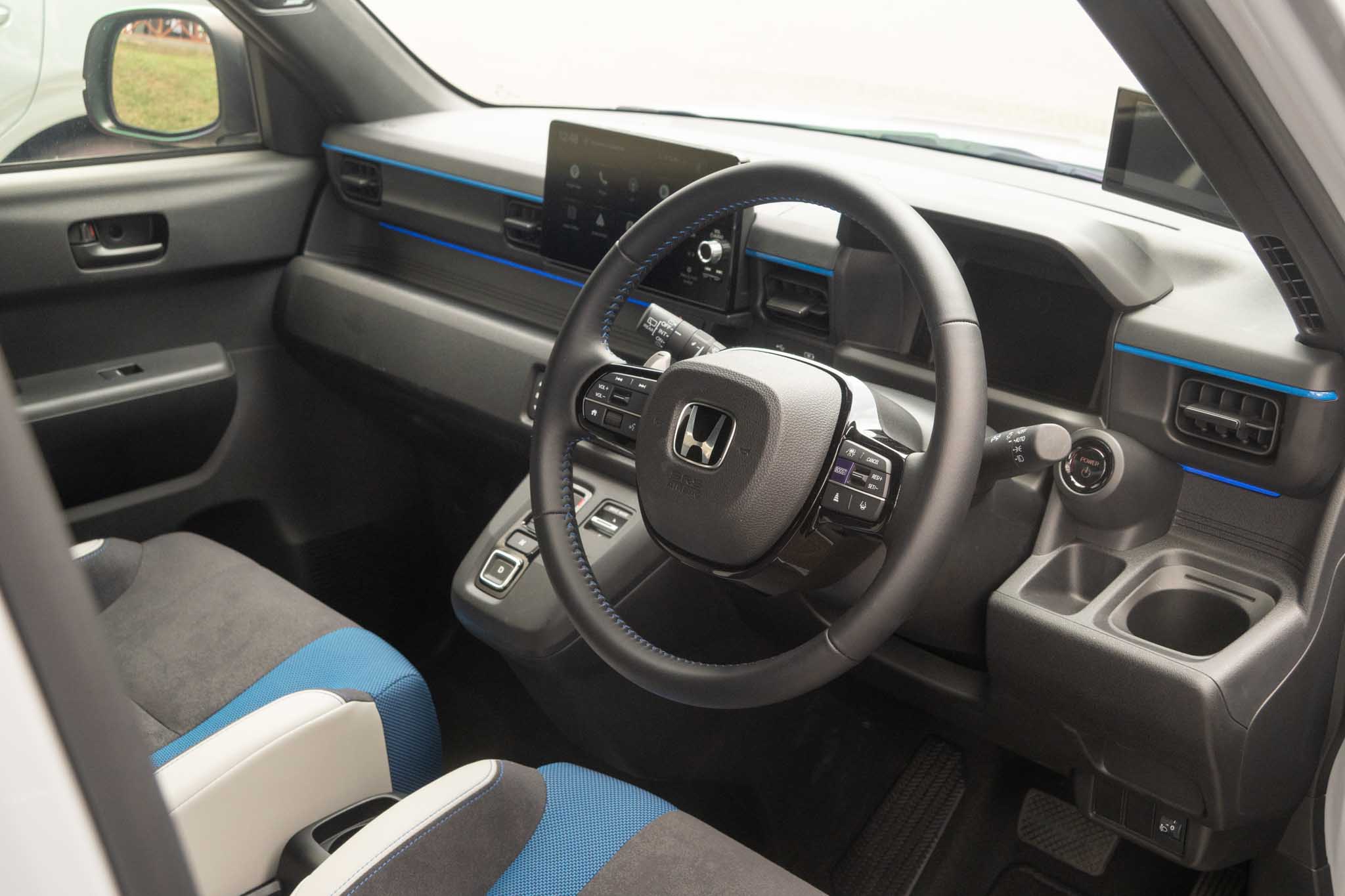
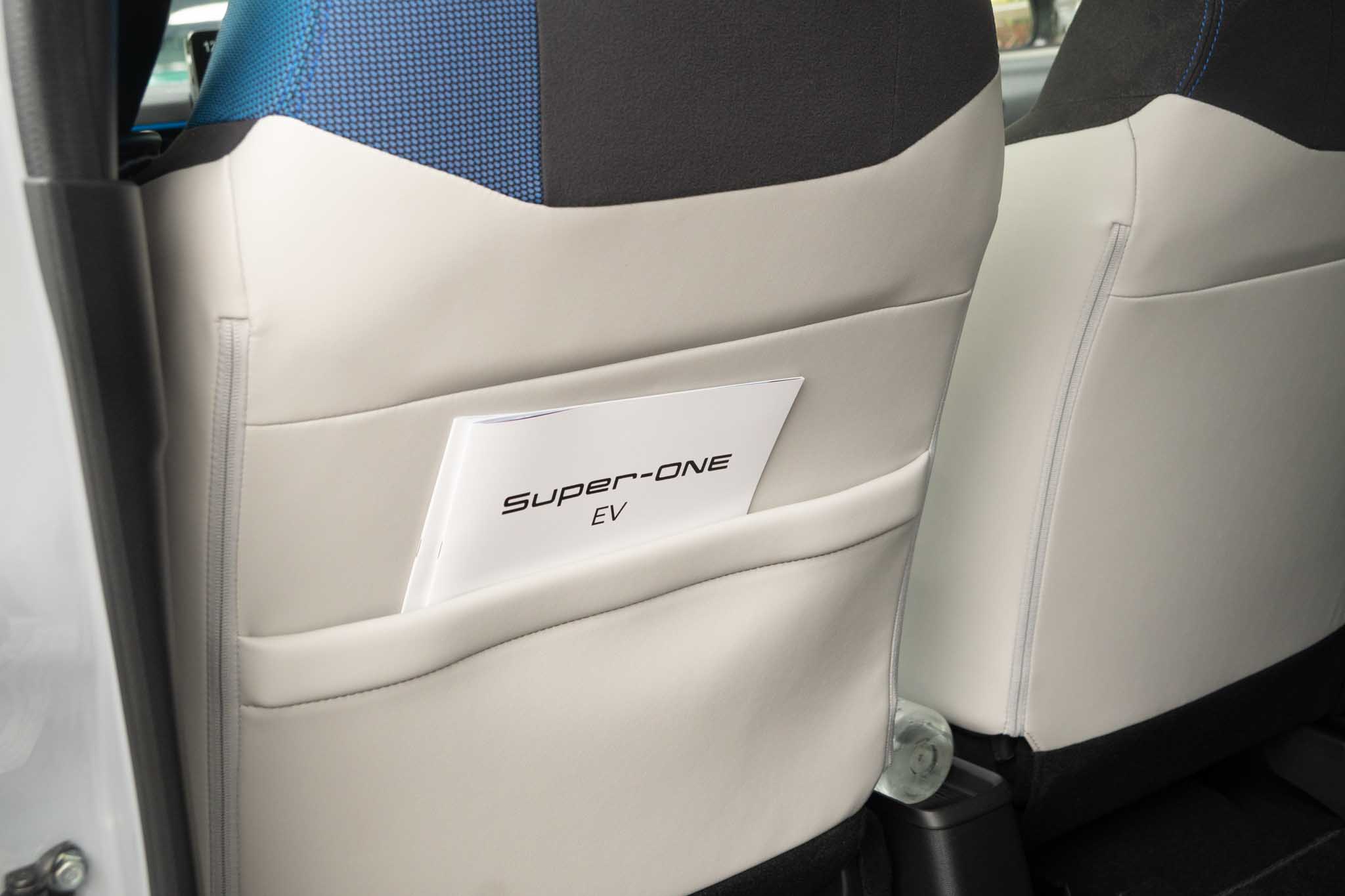
The front seats are one star of the show, borrowing some possible design inspiration of the basic shape from the City Turbo II. They have extremely heavy bolstering and very much look the part. They are bolstered to the point that aftermarket semi-bucket seats may be required simply just to regain some comfort – similar to owners changing their Civic Type R (FD2R) suspension to a softer coilover setup.
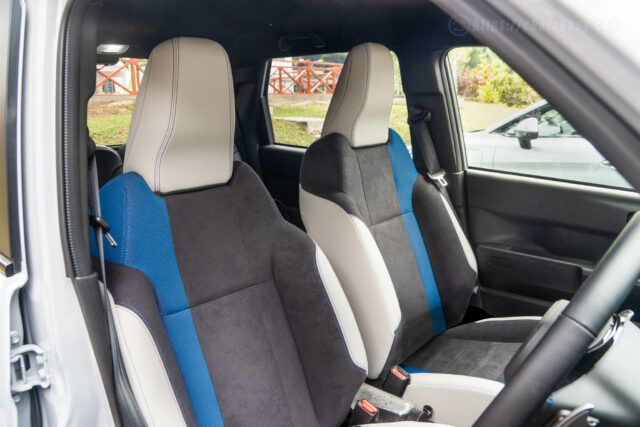
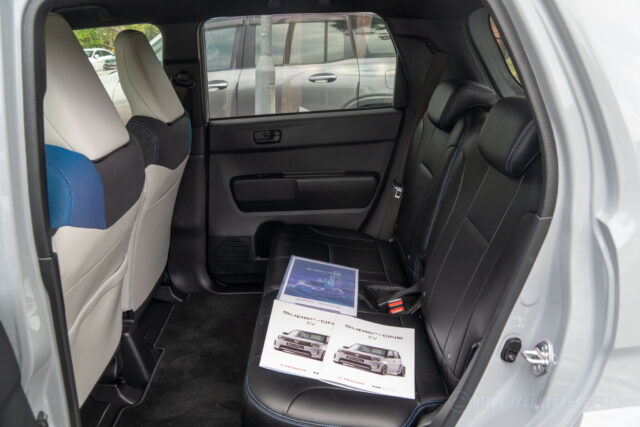
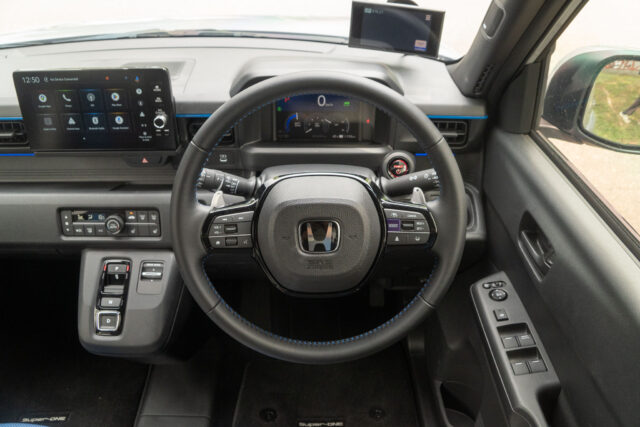
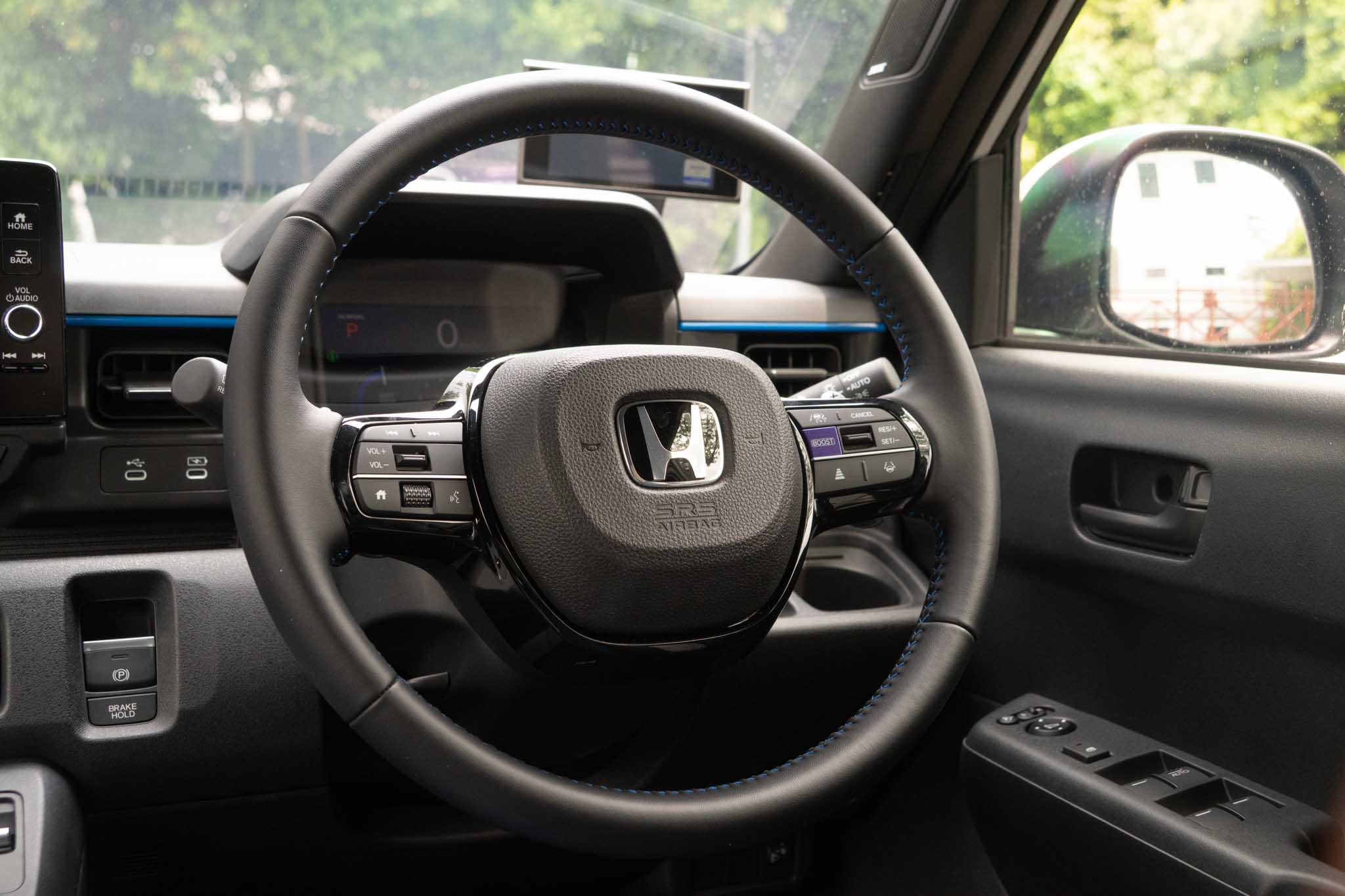
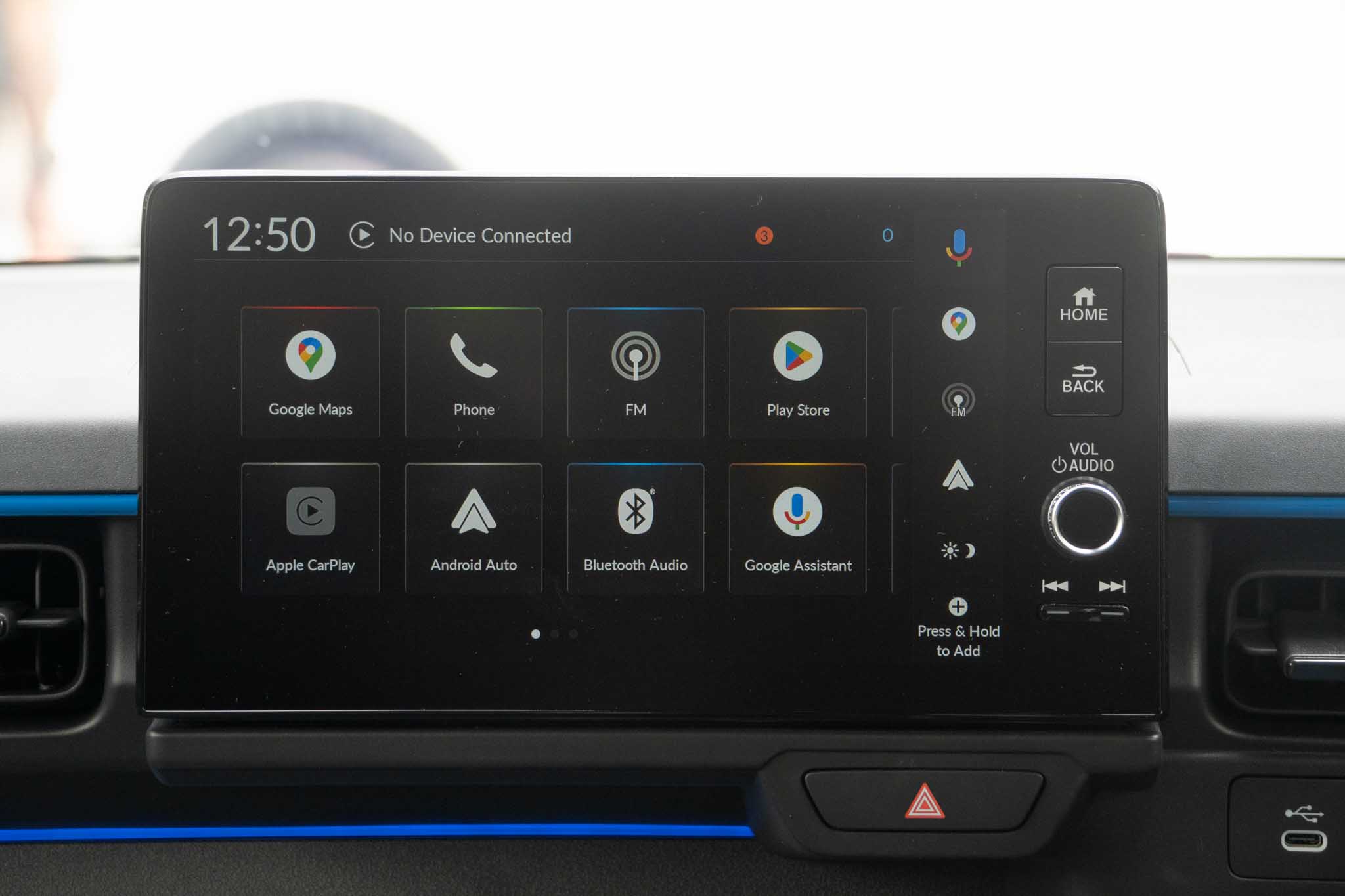
The rear seats don’t quite match the fronts. But if only for the driver, the general ergonomics of the Super-ONE is pretty favorable. There sits a 9-inch touchscreen and a leather-wrapped steering wheel that feels rightly-sized.
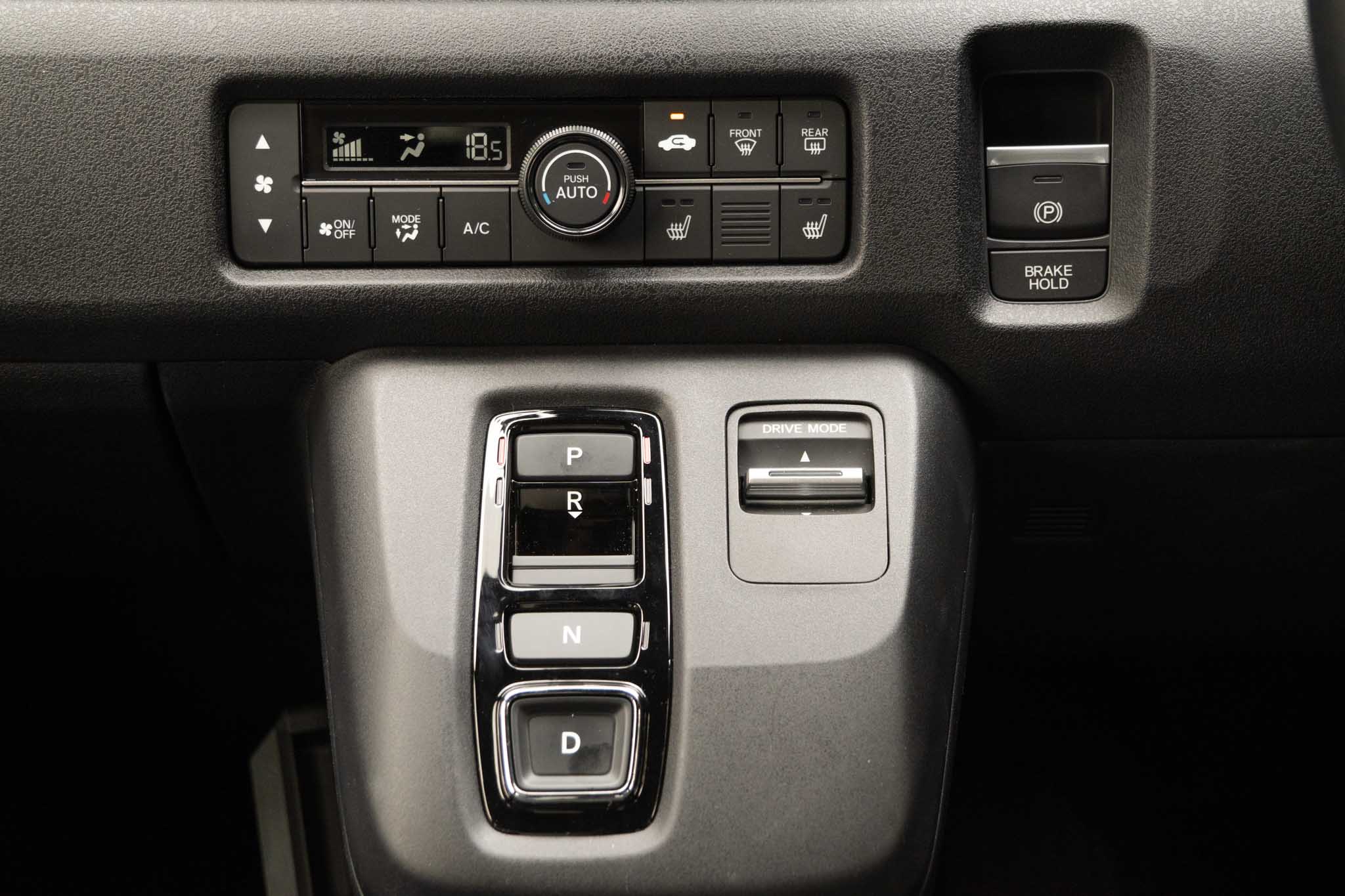
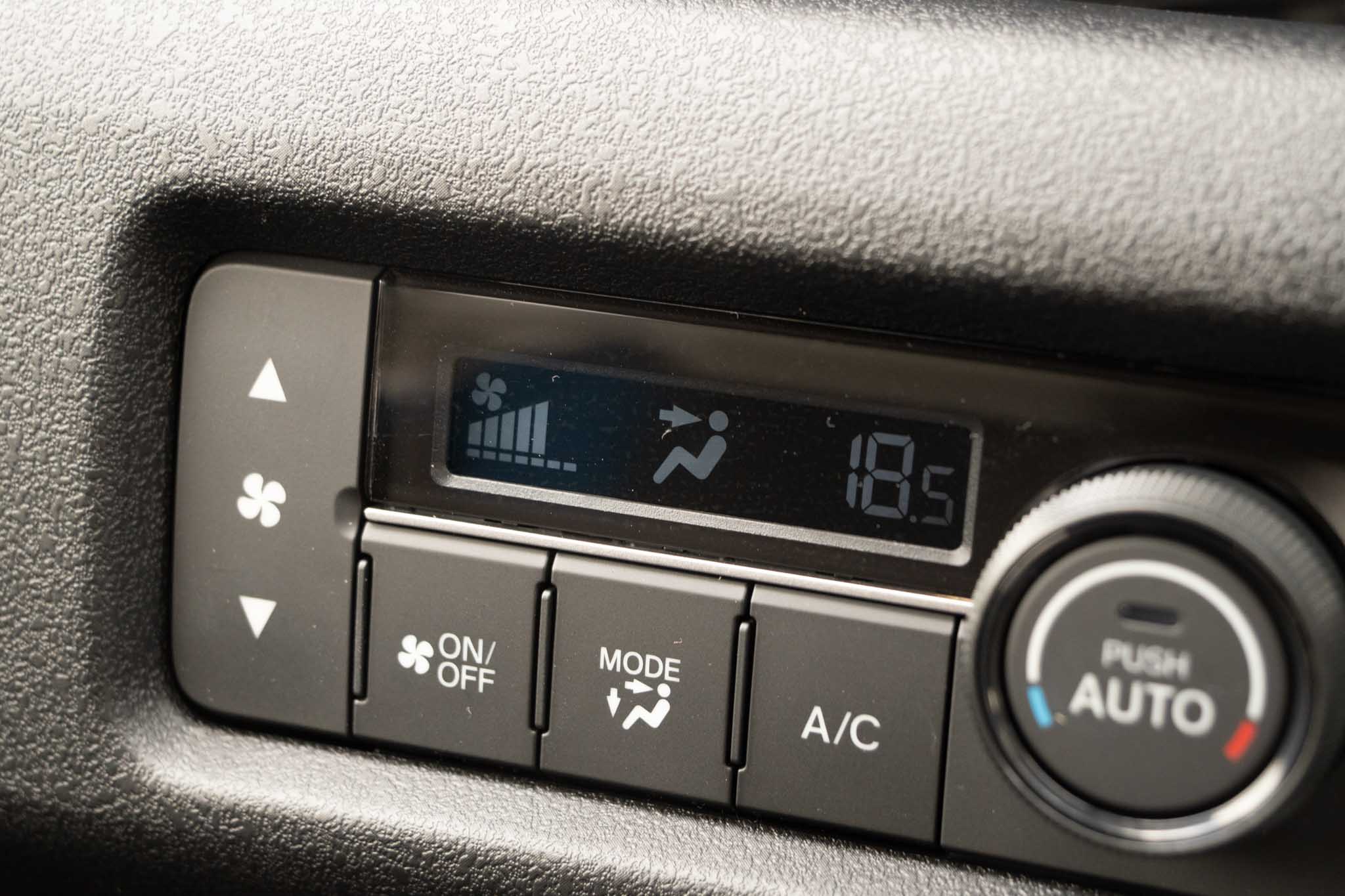
Center column controls reminds me of a Civic Type R (EP3) but it likely boils down to space-saving decisions to put the controls at the top than at the center console.
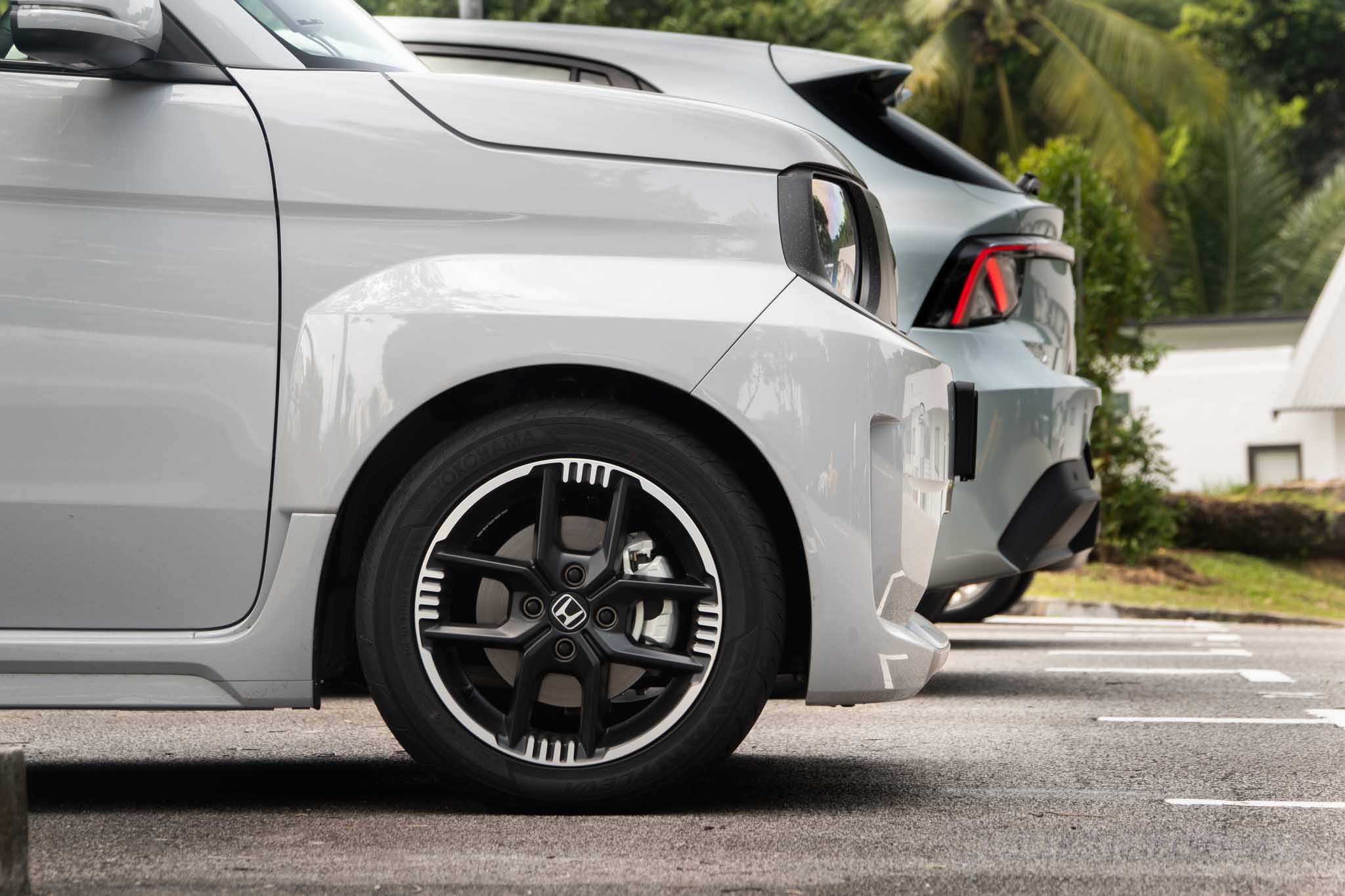
The car is pretty fair if anything, the touches that Honda did to make the Super-ONE a true enthusiast special is notable, from the boxy shape in a curved era to the four-spoke alloys that are more than capable of fitting any wheel from the 1980s and up. We’ve dabbled with “modifying” a different (virtual) unit with MUGEN wheels before, and it looks the part.
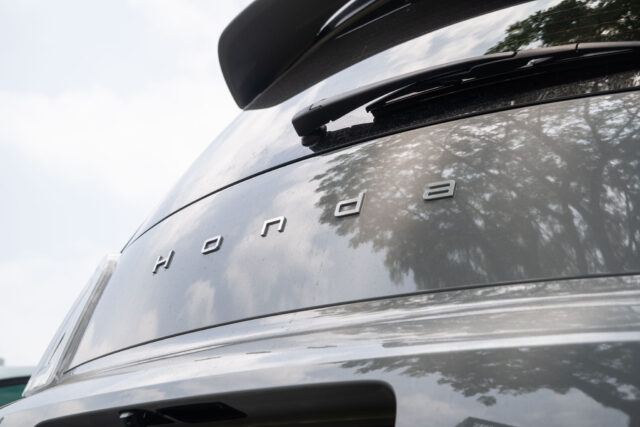
I would like to experience more of this car some other time. If any private Super-ONE owners would like a photoshoot, do let me know. I am keen on publishing a RoadNotes piece for this model, hence I am throwing the interest in case anyone is as willing to get photos of their car – preferably before modifying it.
~Efini
Gallery:
Read more: NewCar: Honda Super-ONE EV
Consider subscribing to our website! Most of our posts are uploaded before they reach our social medias, so such means you get to see posts early and some that we may not feature. Cheers!
Subscribe to our newsletter!

You really changed alot on this huh
Intro me accordingly if you got another way 🙁