The Cross has eclipsed its lineage, so what good is it as a crossover? Apparently, more to it than meets the eye.
The Eclipse of today is fully foreign to the Eclipse pre-financial crisis. This is partially why the nameplate has crossed two parallel demographics – youthful sports cars to compromise-attracting crossovers.
No amount of Mitsubishi’s attempt at aligning the Cross with the old coupes will sway the right opinion that it was a blatant attempt at cashing in on an iconic nameplate. Eight years since the model’s launch, the Eclipse Cross has done well for itself, but was and is still rather forgettable in the space of cut-and-paste crossovers and SUVs.
But between the first model year of Eclipse coupe launched in 1990 to the first model year of Eclipse Cross in 2017 is a 37-year gap. The original demographic of the Eclipse has since aged, and would possibly want to taste the new Eclipse Cross, as sporty as it isn’t. “Just like my old one!” they say.
So in an increasingly restrictive world that is disallowing a two-car option, can it fulfill as a 1-car option as two names – Eclipse (sports car) Cross (crossover)?
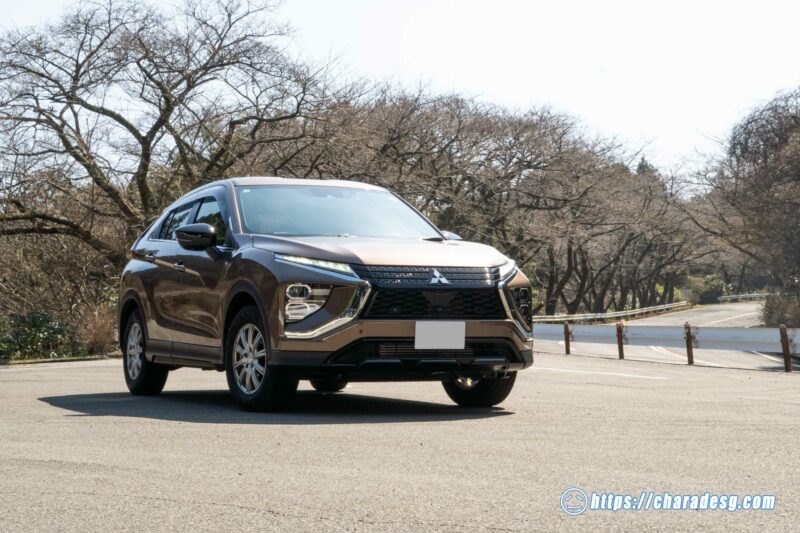
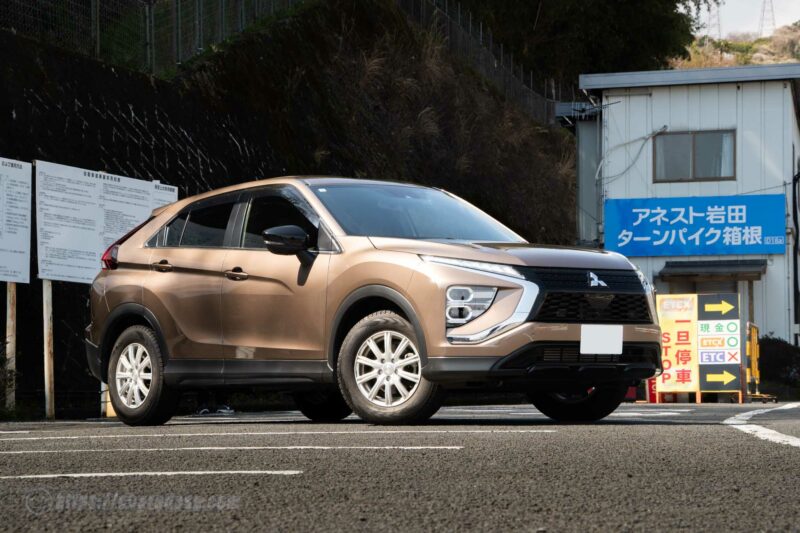
Presented here is a Japanese-market Eclipse Cross facelift.
Exterior overview
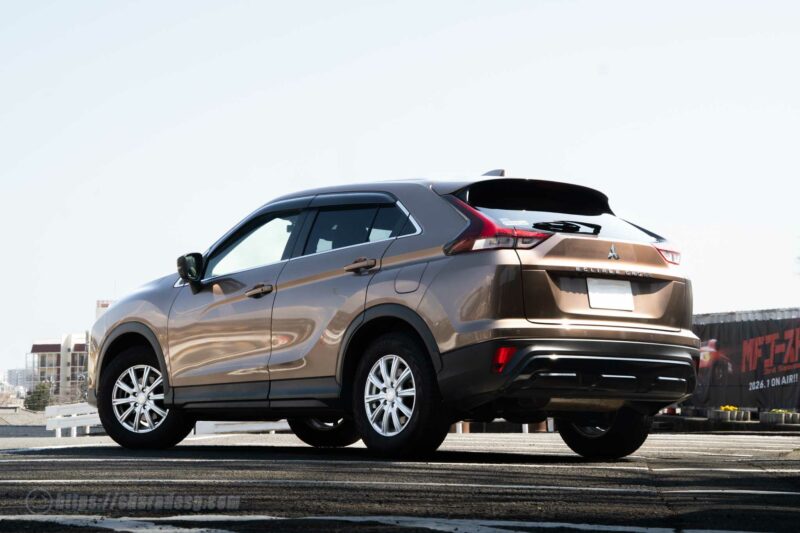
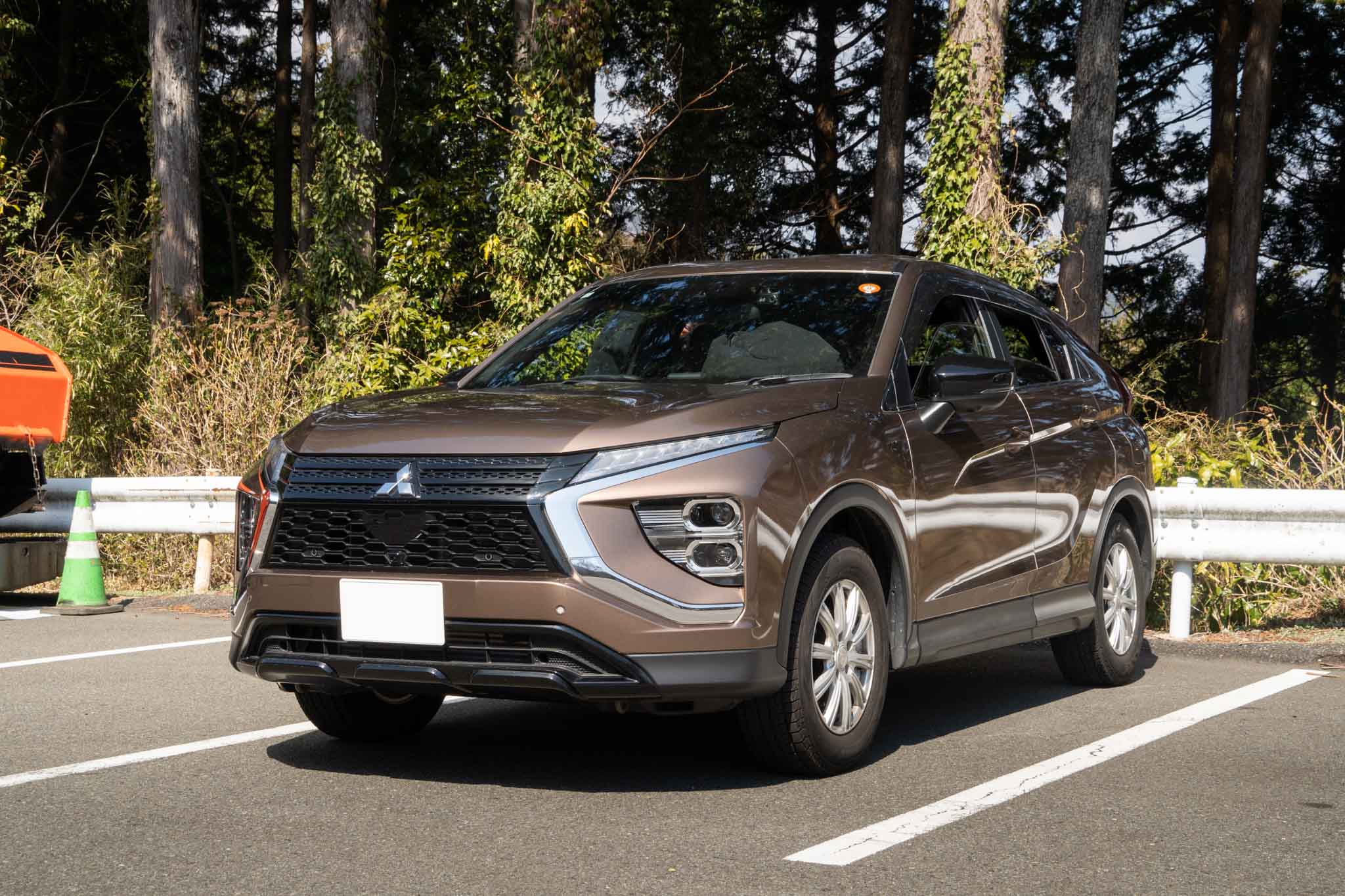
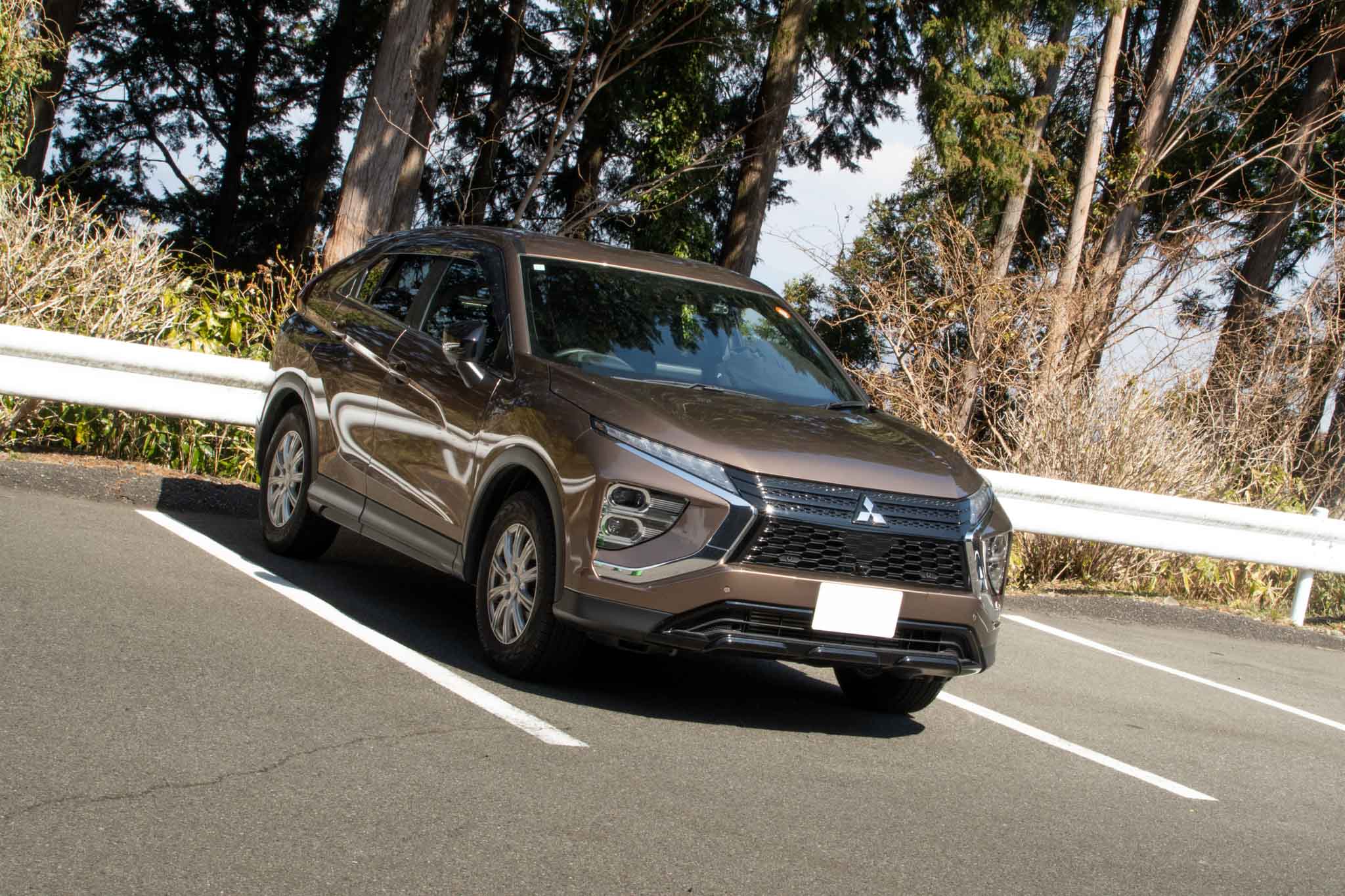
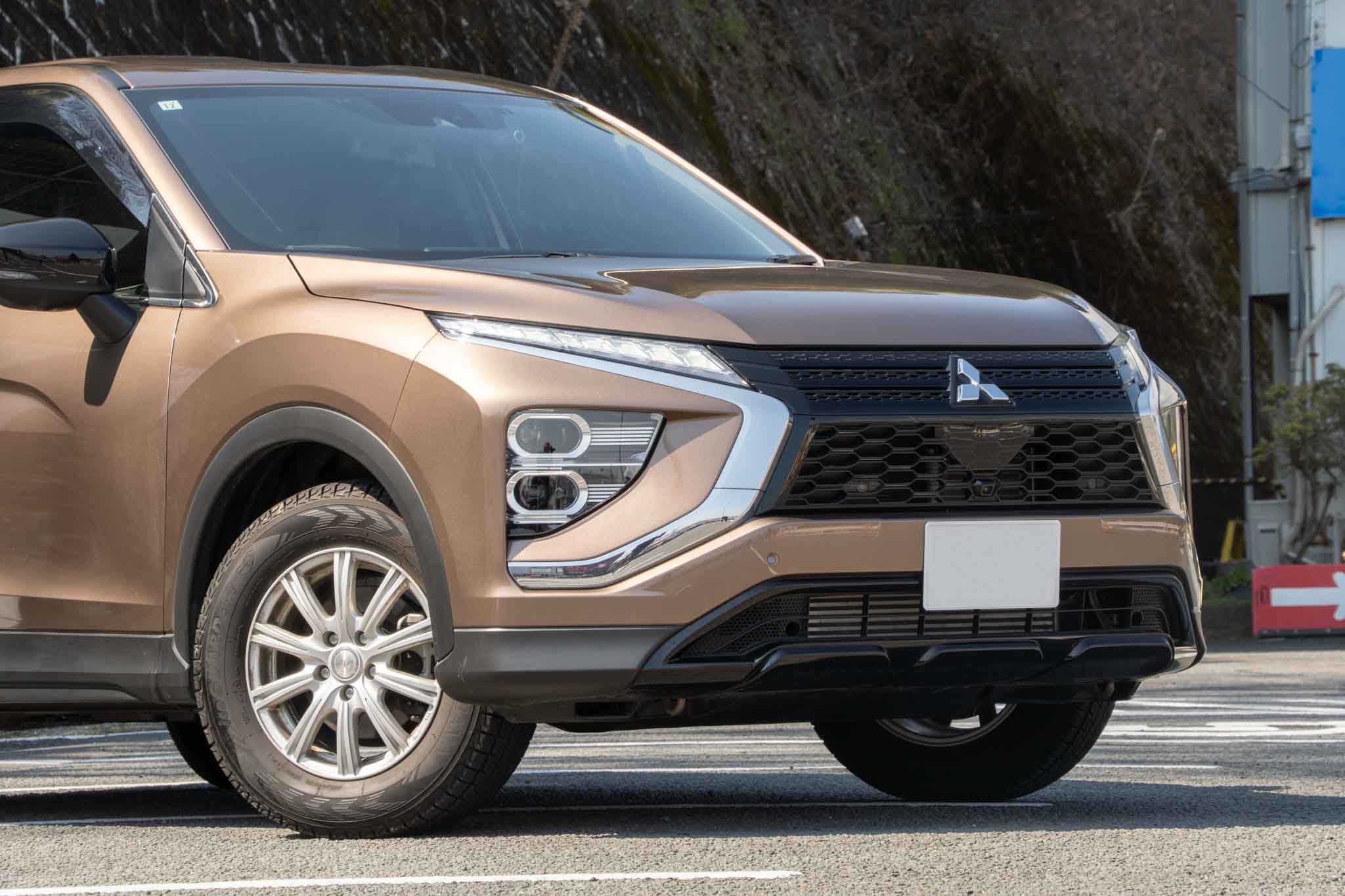
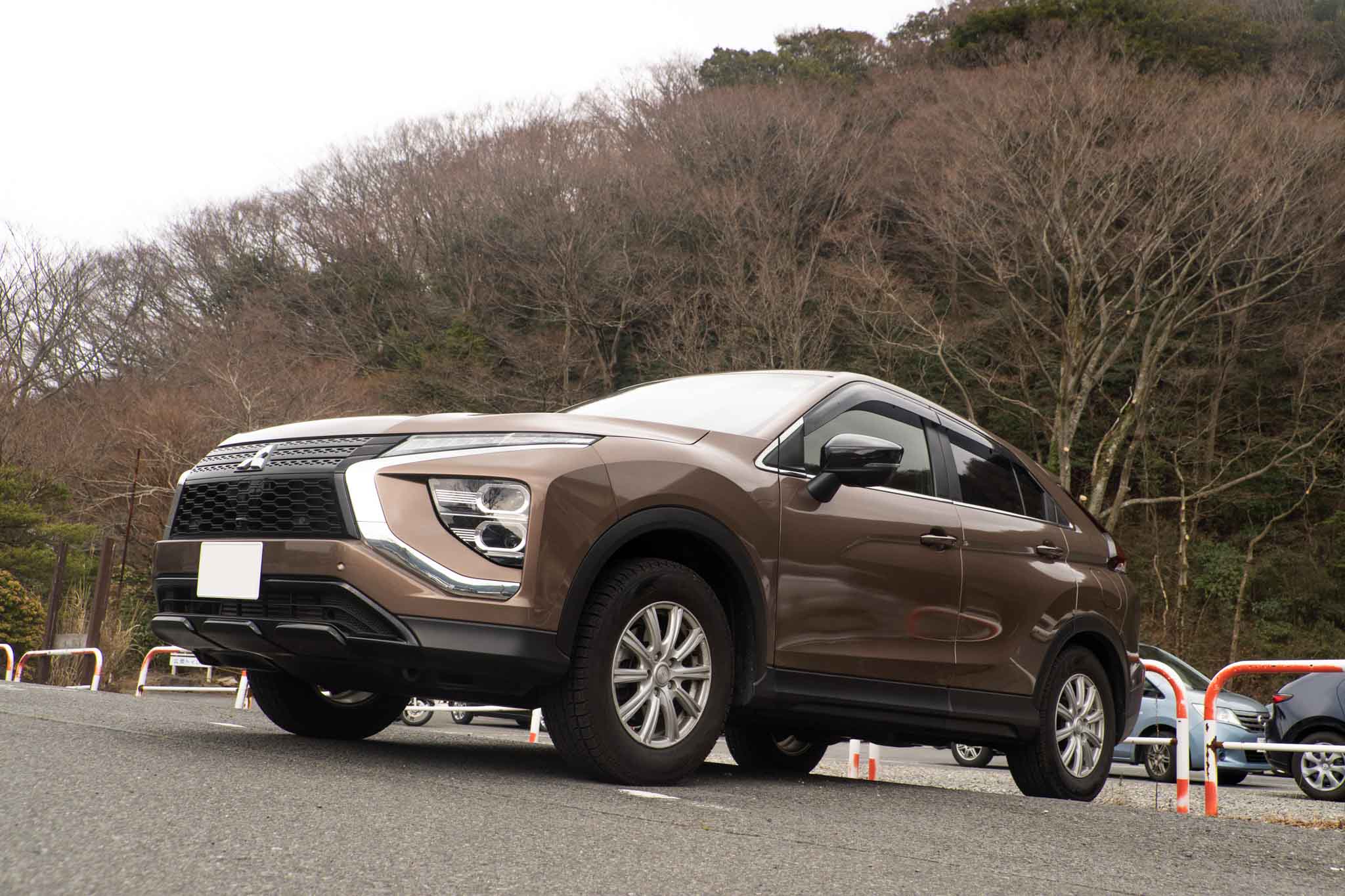
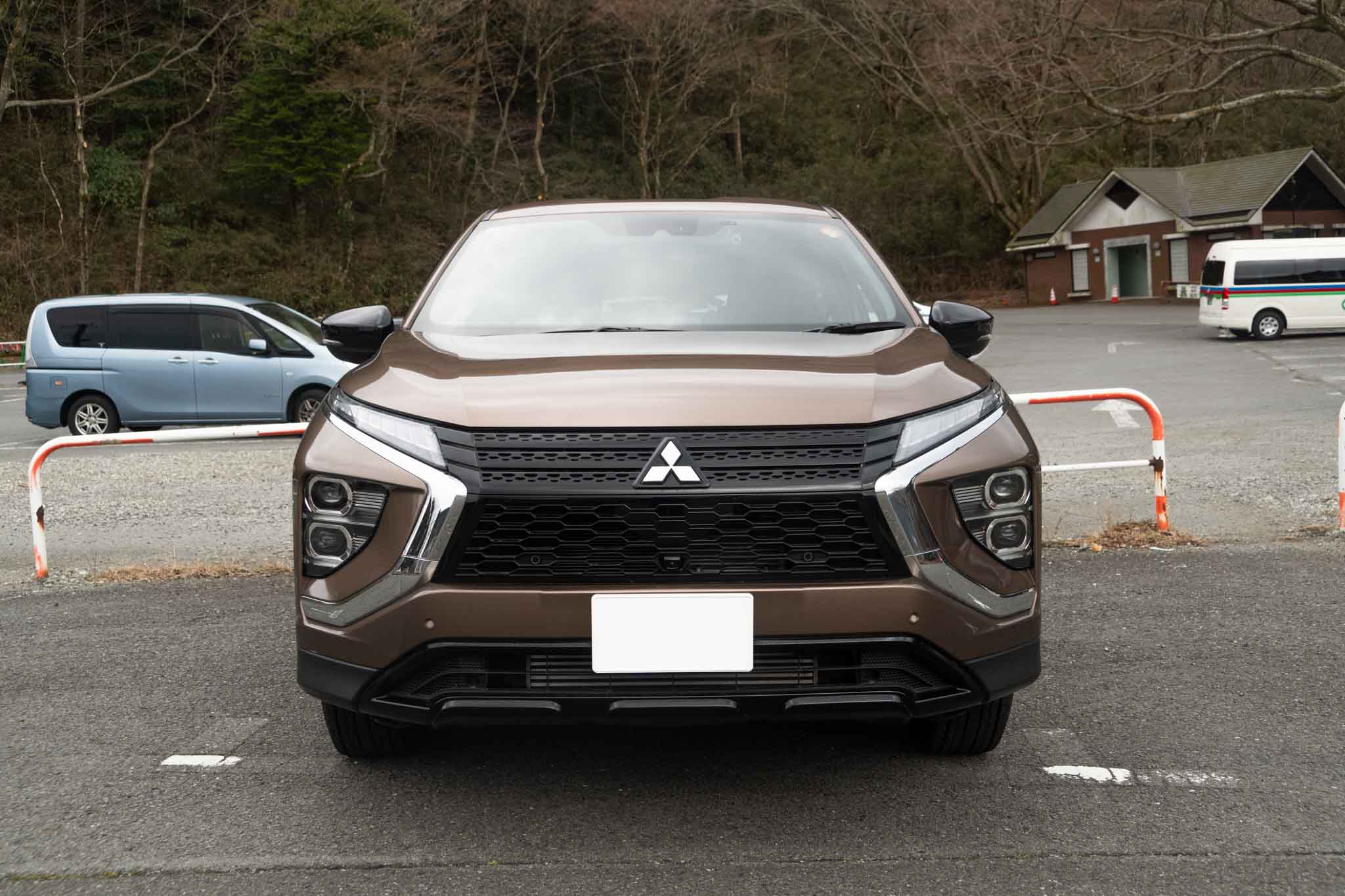
The facelift was originally launched in 2020, debuting a heavy redesign of the exterior. The outgoing design is replaced with a more futuristic look courtesy of Mitsubishi’s ‘Daring Grace’ and ‘DYNAMIC SHIELD’ design philosophy, for overhang extensions and the front-end respectively. The headlights are smaller but angular, the rear lightbar and split window replaced by a more “conventional” taillight and single rear window.
What used to be the headlight (top piece) has become daytime running lights while the lower hexagon lights now take its place. Its a modernized look that is aging quicker than it should.
The front befits a bigger vehicle like the Triton, though the revised rear-end does a better job than the pre-facelift. It still looks overstyled – something that I think even aftermarket companies won’t be able to fix. It is fine (possibly with age) but is bound to look outdated in the ensuing years.
The Eclipse Cross is neither large nor small. At a length of 4,545mm, 1,805mm width and 1,685mm height, its marginally taller than some kei cars but bordering in length and width with old executive cars. It sits in the C-segment / compact SUV category, and is sized as such.
Not crossed with the interior
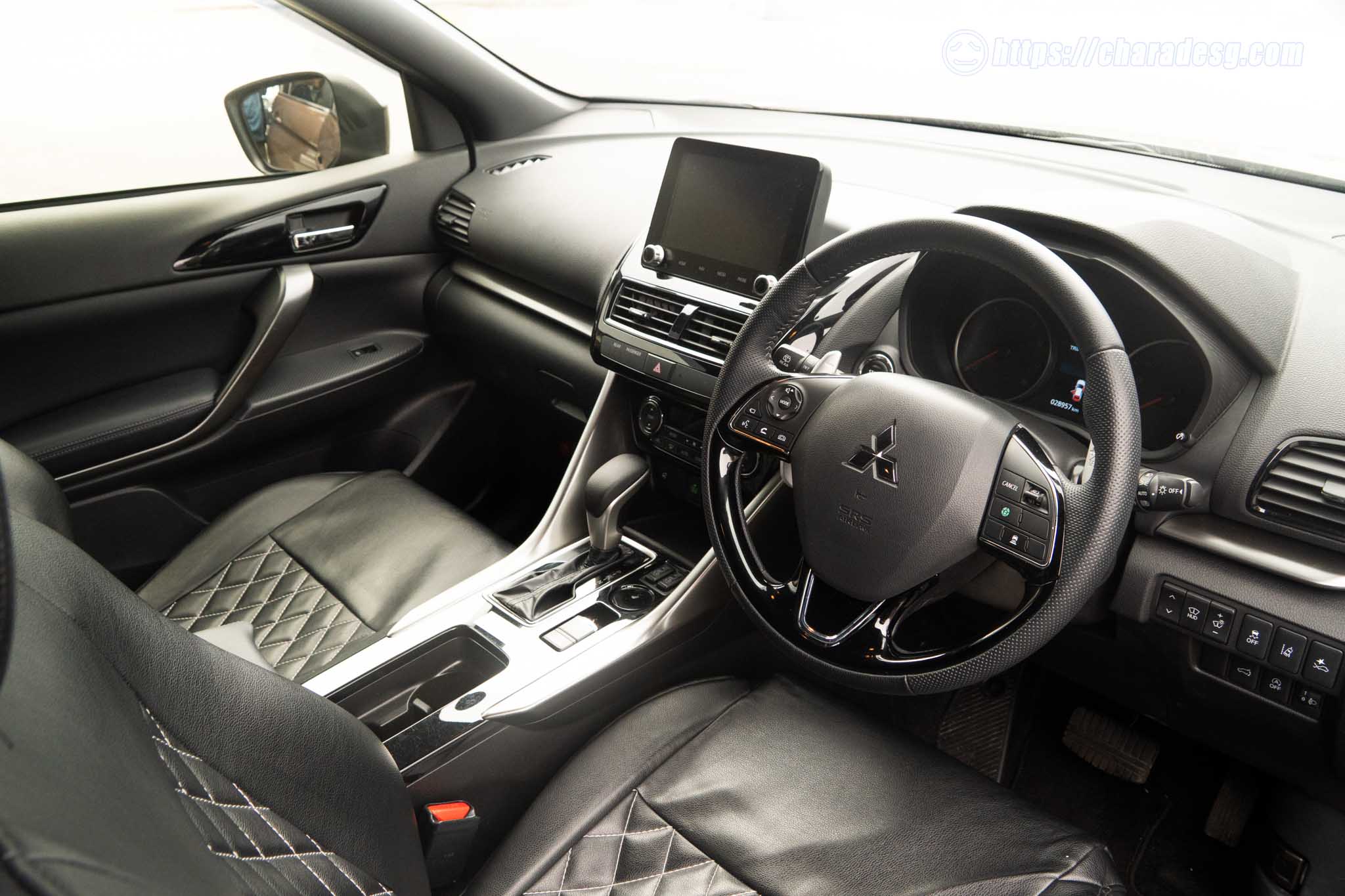
In the interior, there is no mistaking the design and material choice for a continental make. The Eclipse Cross isn’t a flagship model and its facelifted design had perhaps arrived too early.
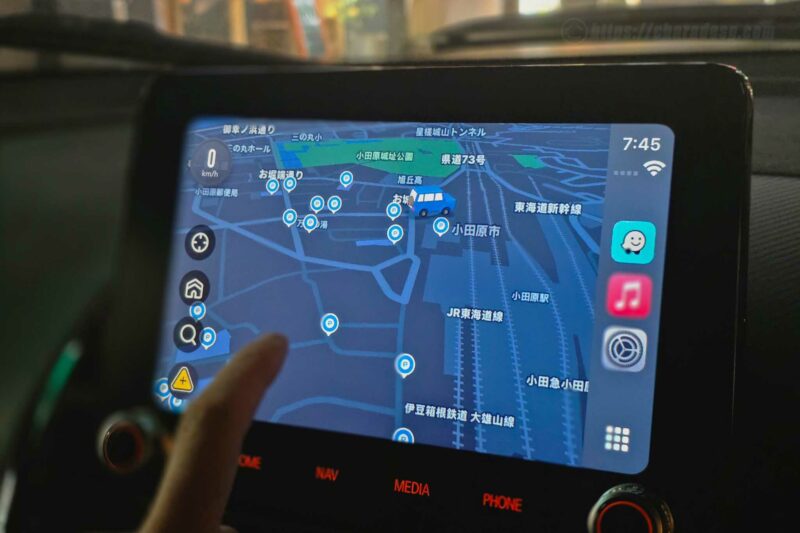
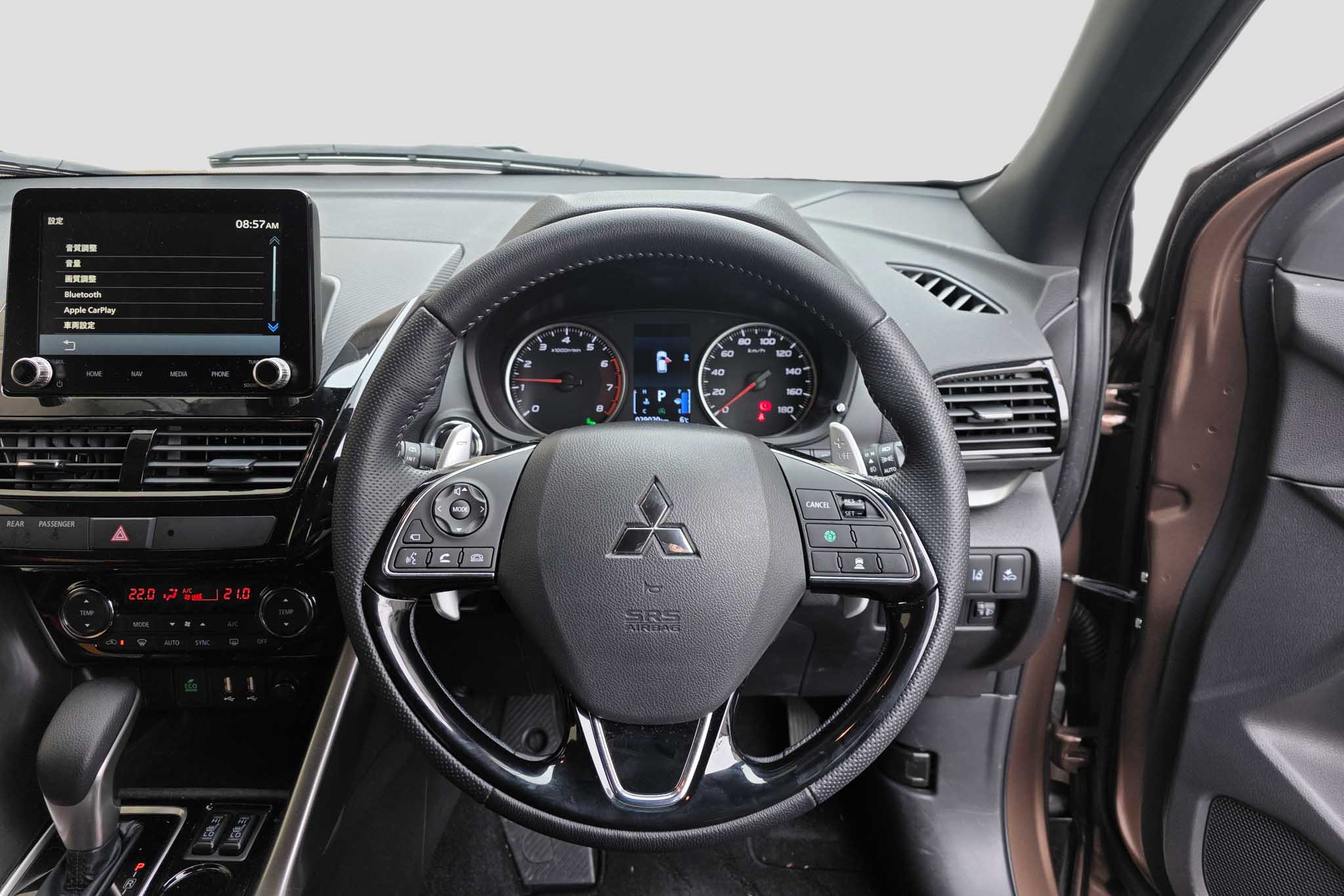
To claify my point, the facelift introduces an 8-inch touchscreen (also pushed closer to occupants). The screen diameter is fine, but comparing it to current Chinese makes featuring touchscreens more than double its size, Mitsubishi has lots to contribute to R&D if it wants to compete in terms of infotainment – a strong selling point for most consumers.
The UI is fine with prominent settings and icons, but may feel outdated when comparing to contemporary smartphone UI, but otherwise good enough for non-tech savvy buyers. Supported is Android Auto and Apple Carplay, but wired connection is required to use the feature. Happily provided are physical knobs and buttons especially for crucial controls like volume – with more companies ditching physicality in favor for in-infotainment controls, I kneel to Mitsubishi for maintaining the old tried-and-true way.
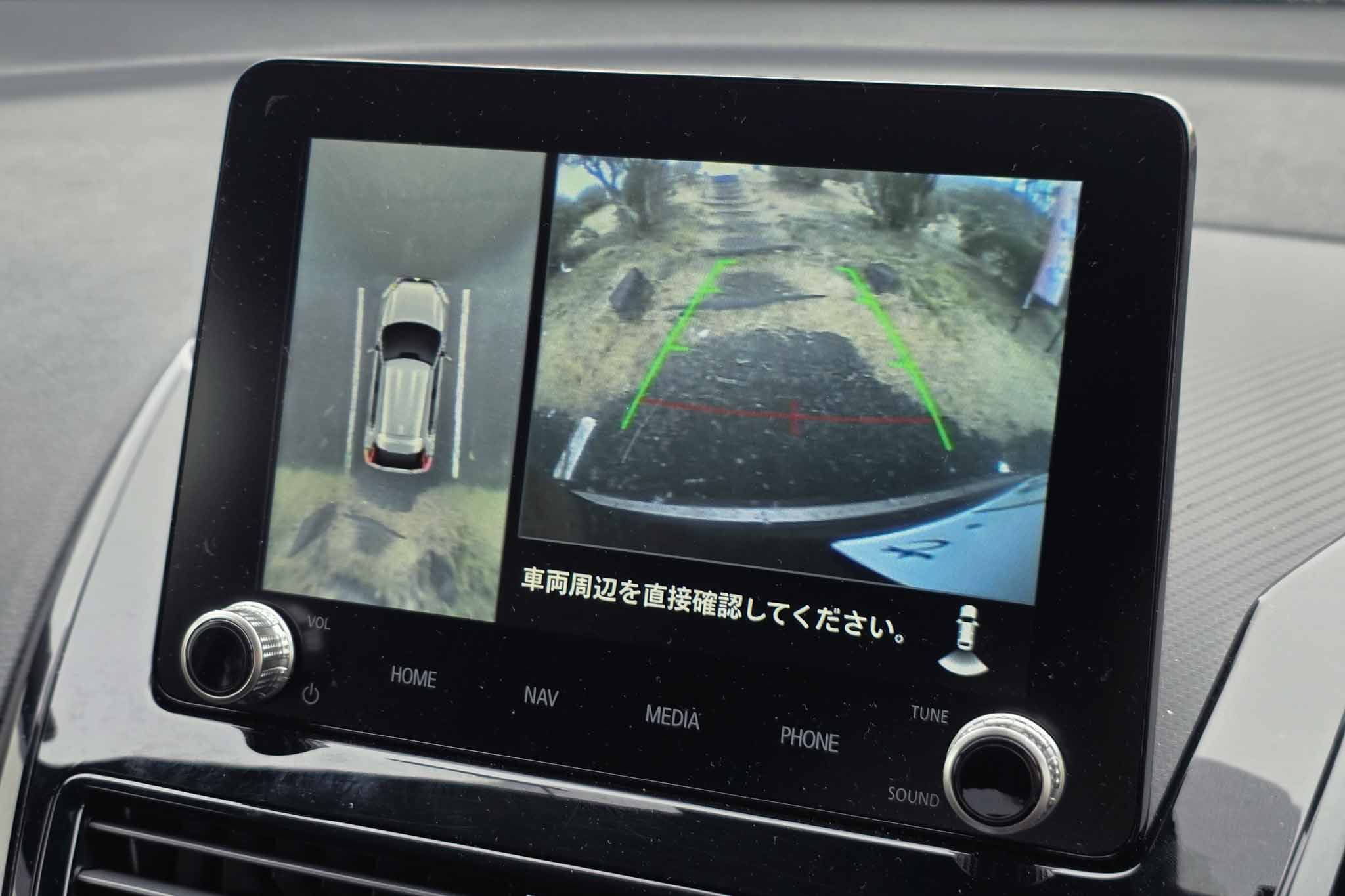
A reverse camera is available on this unit with a top-down surround view – a feature greatly appreciated in the narrow streets of Japan – and whichever places the Eclipse Cross may be exported to.
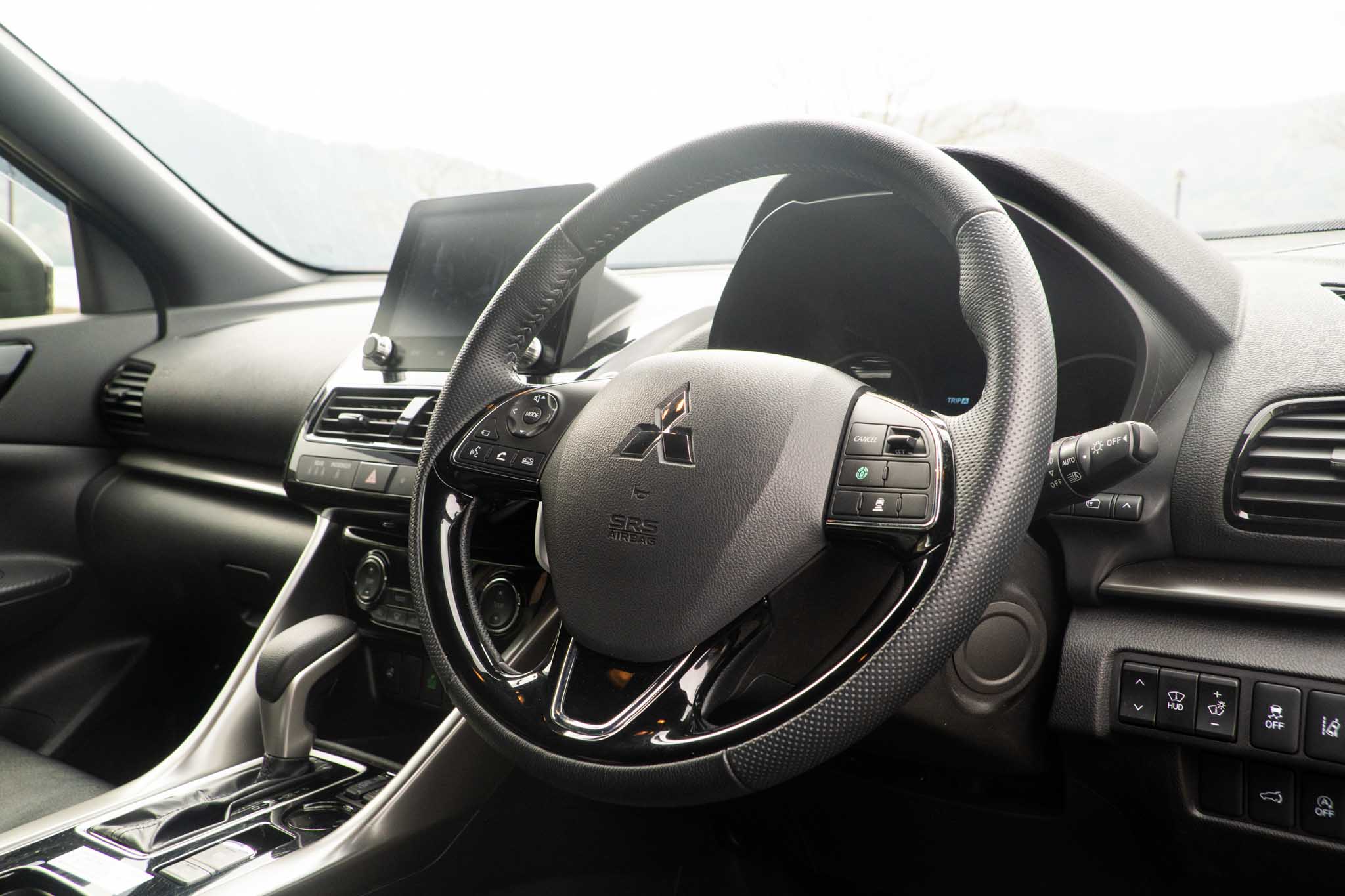
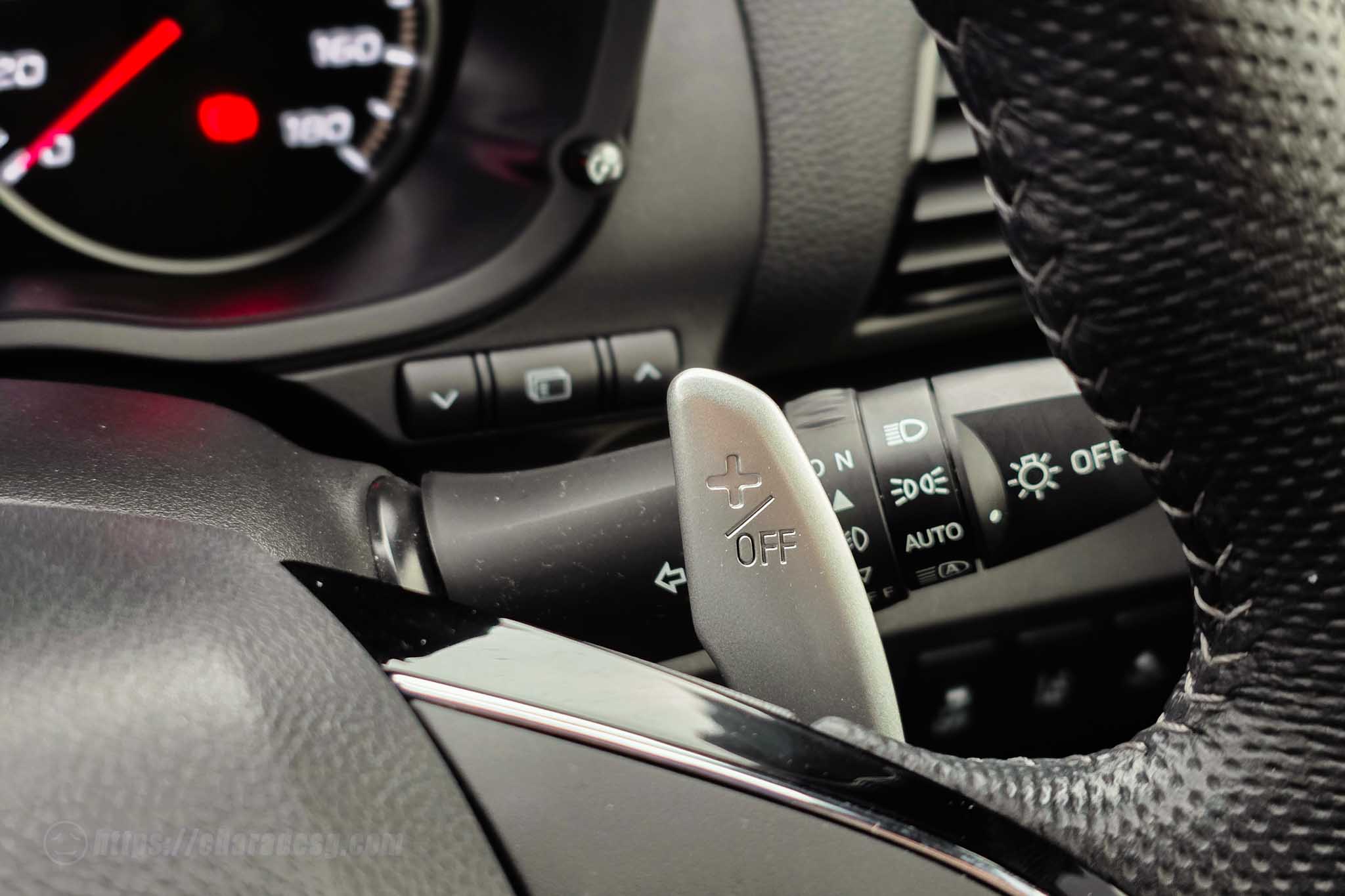
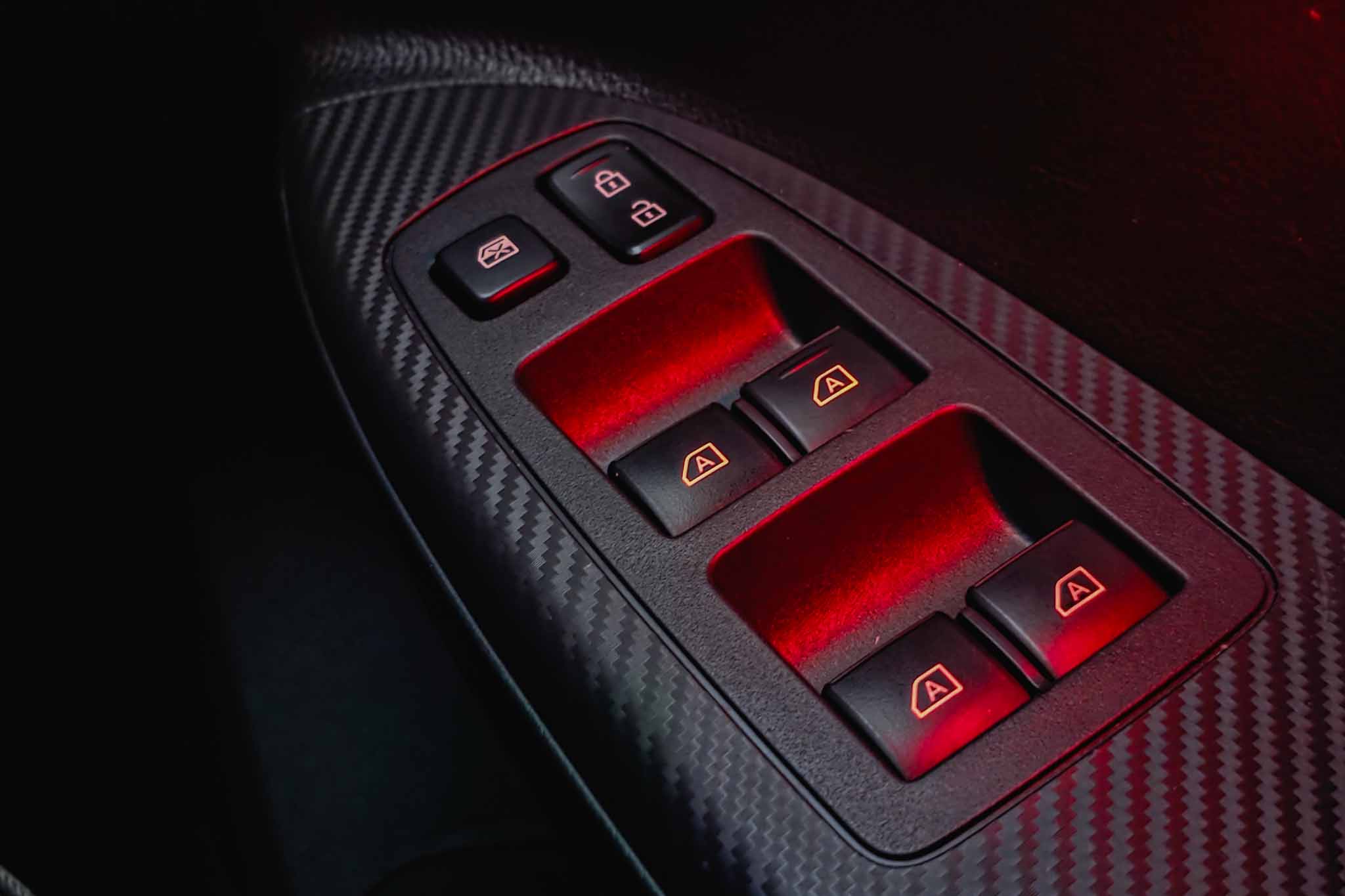
The rest of the interior is at best sporty and worst cheap. Plastic is most of the inside with some youthful touches like fake carbon on the center console and doorcard trim, with aluminium sport pedals for manual shifts for the occasional spirited drives.
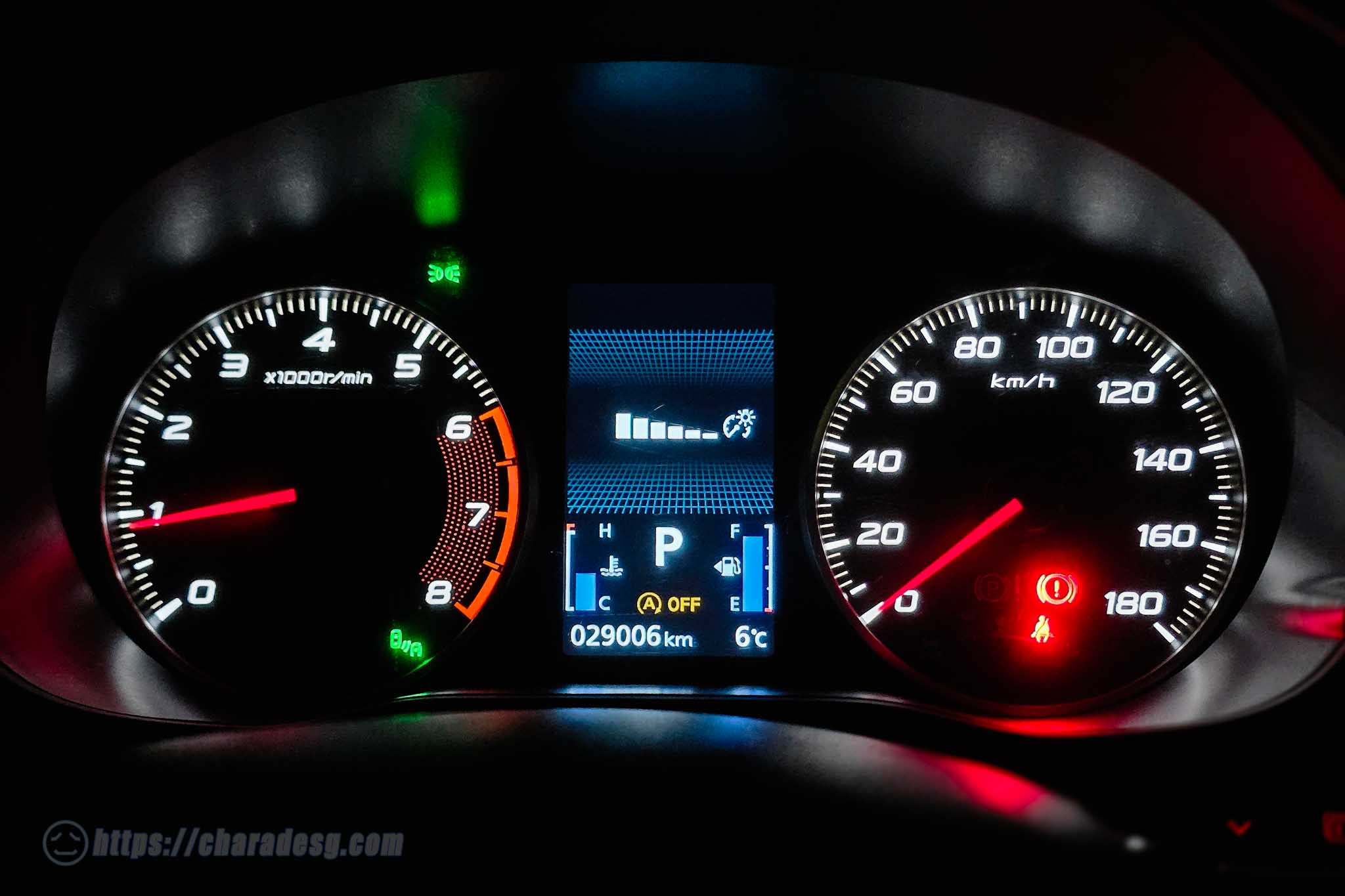
The gauge cluster won’t be iconic but has readable fonts, a screen and added design elements like dotted redline indicators. It is basic but nicer than unreadable jargon.
The UX in this case is preferred, actually. The paddle shifters have well-gauged weightage, the cluster digitally illuminated and with adjustable brightness via steering wheel buttons and the wheel itself feels perfect in diameter, but is still let down by less weighted signal stalks (better than stalks returning to the neutral position when signaling) and flimsy-feeling doors.
The seats are average Japanese ergonomics and quality – the materials are standard and ergonomics are good enough to disallow human catapults under hard cornering. In this car, the fake-leathered seat covers provide a more premium look. Long-term comfort for extended trips is serviceable – no complaints after seven to eight hours of driving.
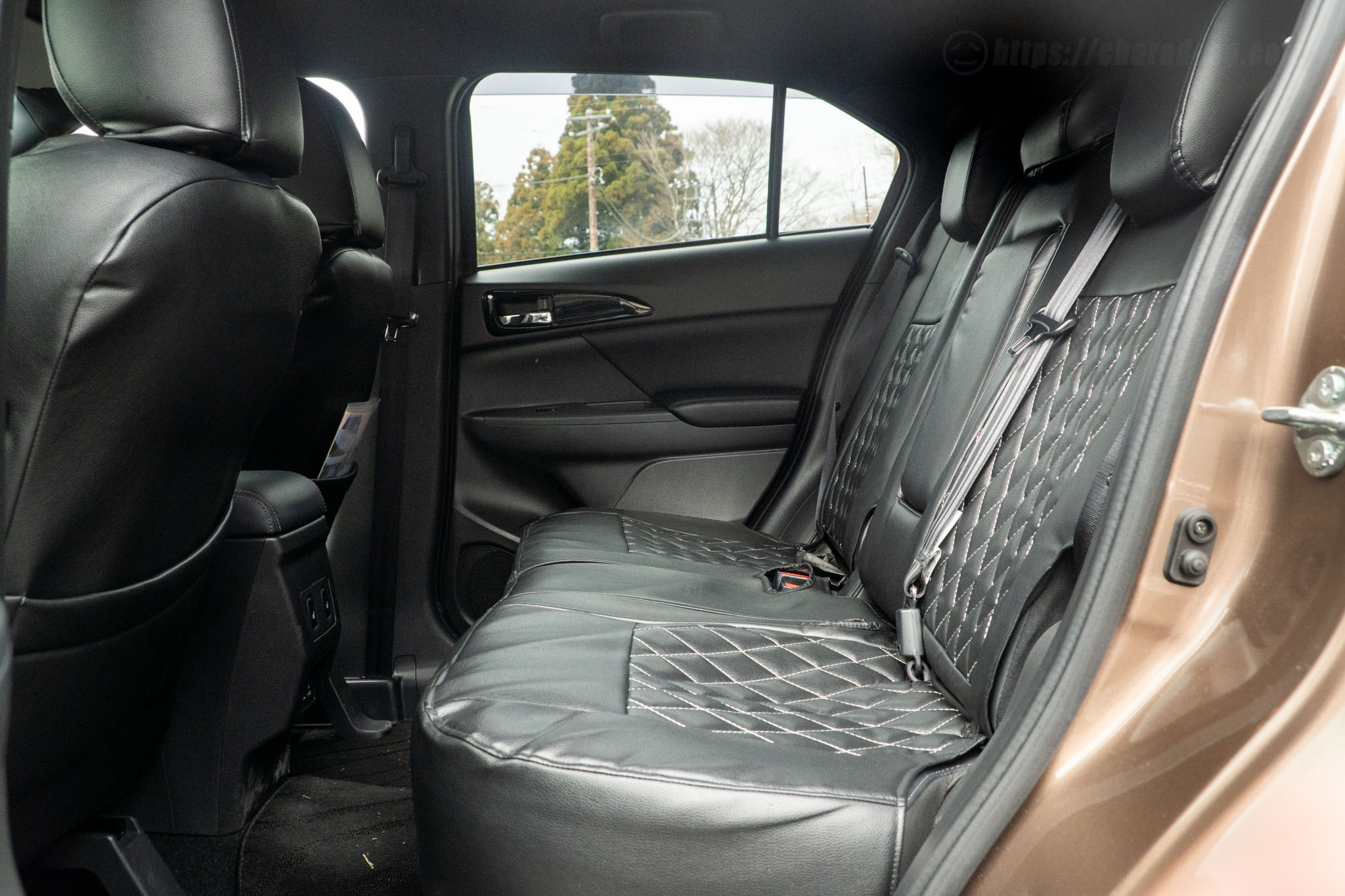
Rear seating is average with uncomfortable space for three adults in the rear – legroom can prove cramped for taller occupants which can be slightly circumvented with front seat electrical adjustment (provided front occupants are short).
Surprising engine refinement
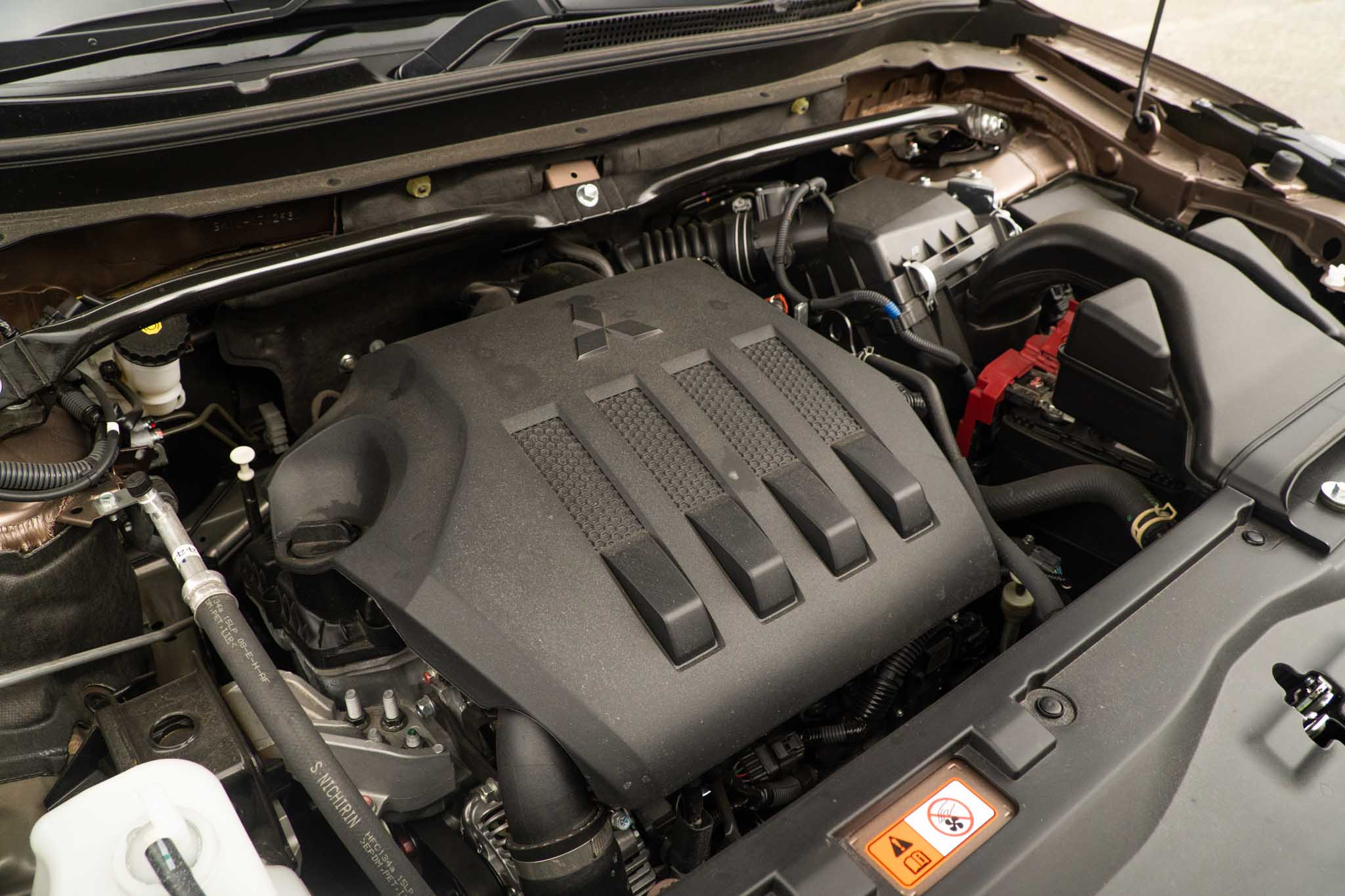
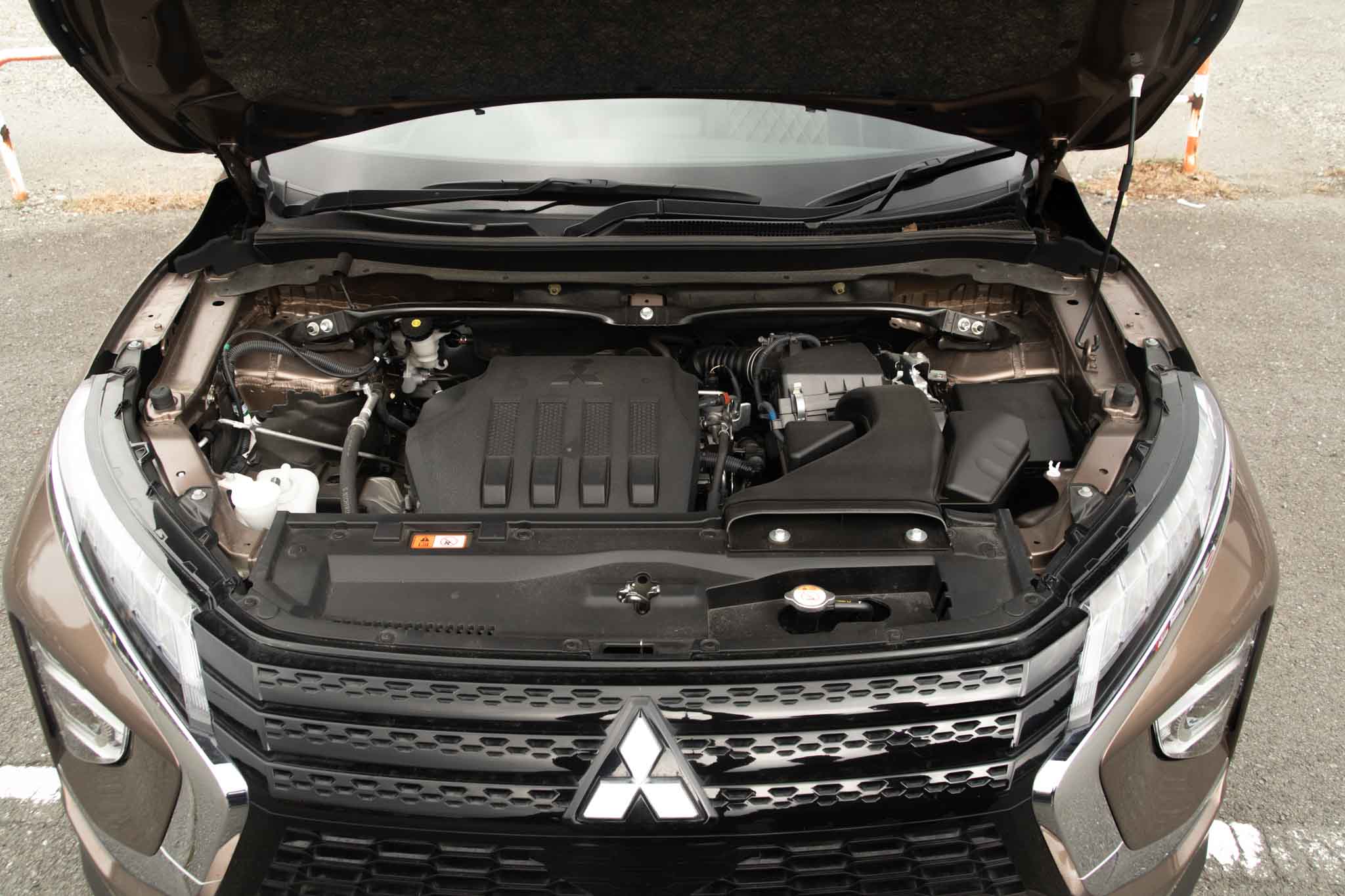
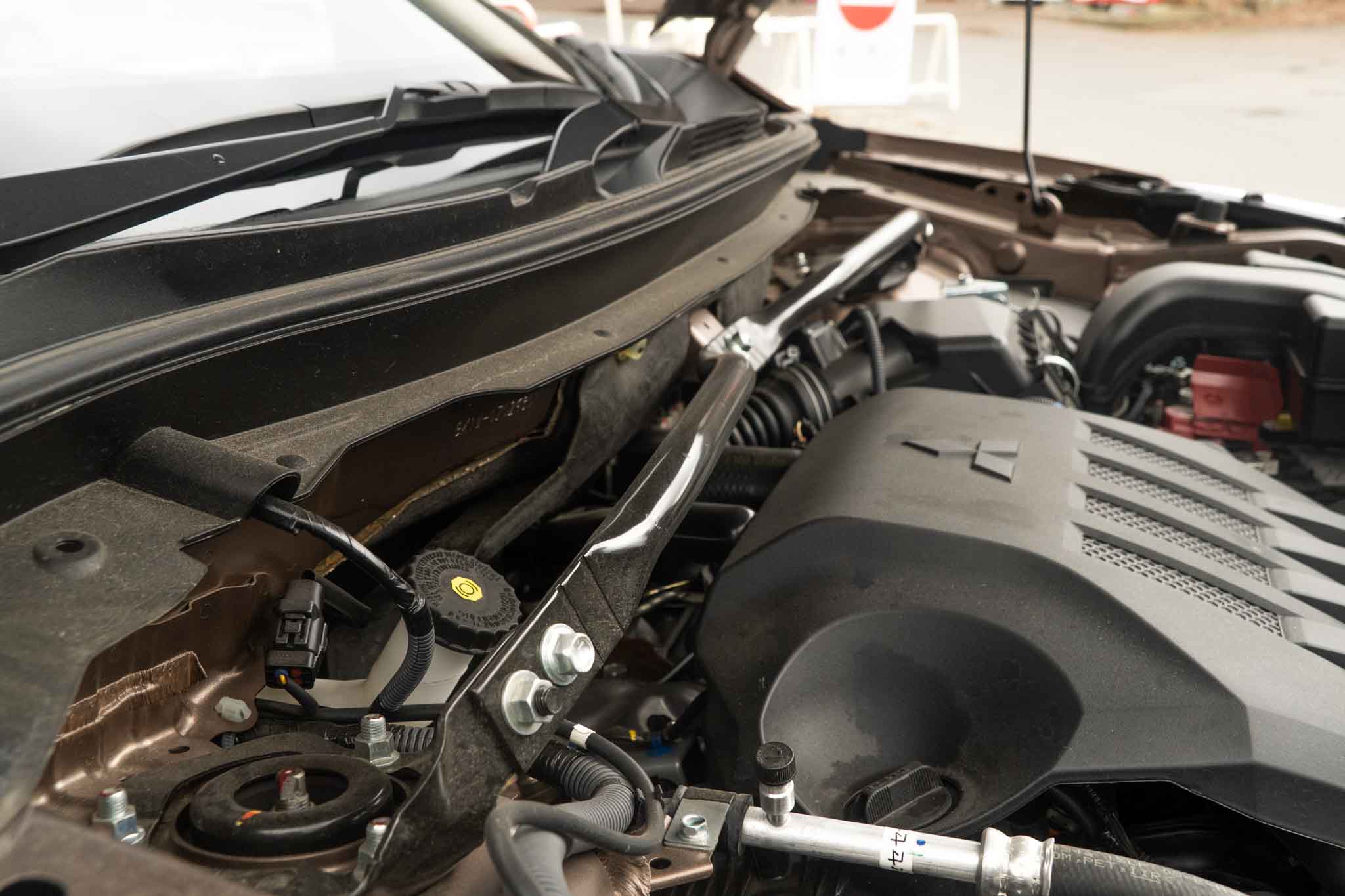
Powering the Cross is a humdrum 1.5-litre 4B40 four-cylinder engine, making a modest 161 horsepower and 250 Nm torque. Its a common engine configuration and befitting a city car like the Eclipse Cross. Paired with the engine is a ‘INVEC-III’ continuously variable transmission (CVT) with simulated gears.
The simulated gear is actually commendable. CVTs can be annoyingly bad but the INVEC-III system does compare well to traditional automatics. The 8-speed “gears” do have input delay but is both responsive enough and smooth. What it won’t do is max the tachometer to the 6,000 RPM redline, and in normal Drive, the transmission won’t try to remove the continuous “wurr” of the engine as it climbs speed with stagnating revs – its a CVT at a fundamental level.
The 4B40 engine is also gets a thumbs-up – with a mostly linear kick in its powerband that wakes up above 2,000 RPM. The pickup does slog due to its power-to-weight, but is respectable for quick maneuvers. For a non-rusher, the Eclipse Cross is not demanding for driver attention – the engine refined with little rattle, keeping the cabin quiet.
There is noticeable input delay at the accelerator – bad throttle response is noticeable in tricky applications, and inconsistent start-stop technology that is rectifiable by disabling which thankfully doesn’t default back after restarting the car.
Handling crossed over from its name
This car is front-wheel drive, but buyers can opt into all-wheel drive, both with Mitsubishi’s Anti-Yaw Control (AYC) – the AWD variant receiving Super All-Wheel Control (S-AWC) traction control system.
The Eclipse Cross feels its weight; which is hardly a lightweight at 1450-1480 kilograms but not obese to create tremors on the ground as it moves. It is also on the larger end of “small” cars, sharing the size of a C-segment. Parking isn’t so tricky but can be awkward in tight residential areas.
As an experience, steering is not fully disconnected but not engaging either. Its electrically-assisted rack-and-pinion system is still an infinitely better feel than steer-by-wire systems – there is at least a sense of direct connection between driver input and actual rotation, but not the same as older “analog” cars.
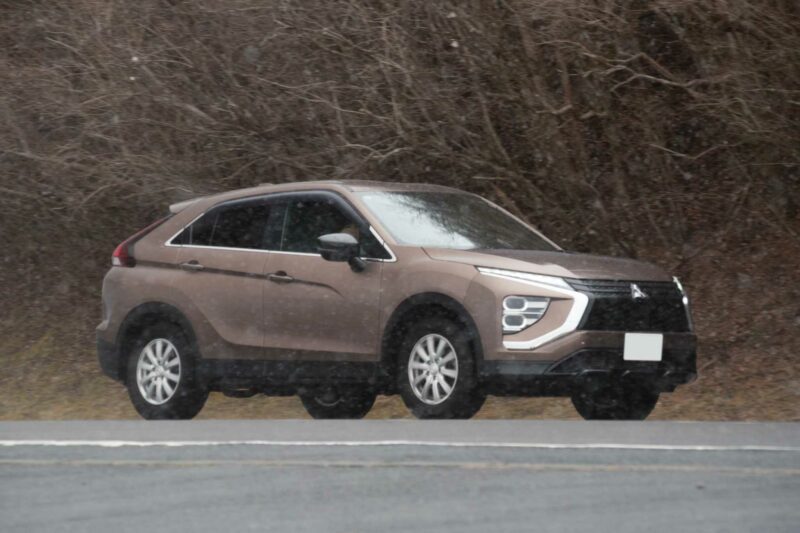
Image credit: @spottedbyseanan
Handling is a mixed bag. The suspension is bouncy that at low-speed maneuvers may prove nauseating for occupants (though this is more driver error), but boot it towards its limit, the Eclipse acts very neutral and well-planted towards its limit with controllable body roll. The chassis is surprisingly not to be slept on – perhaps Mitsubishi had sprinkled some elements down from their older performance cars.
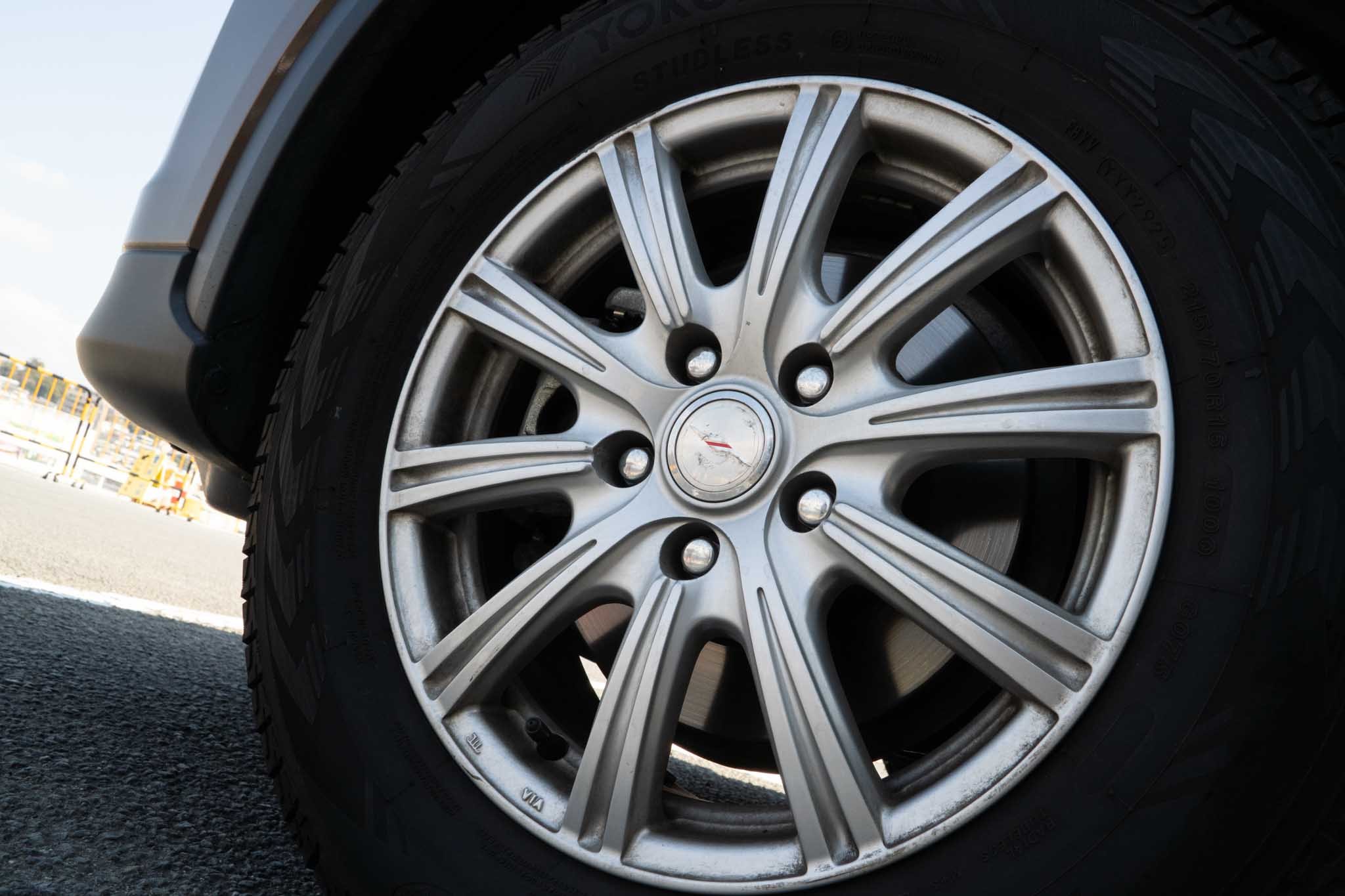
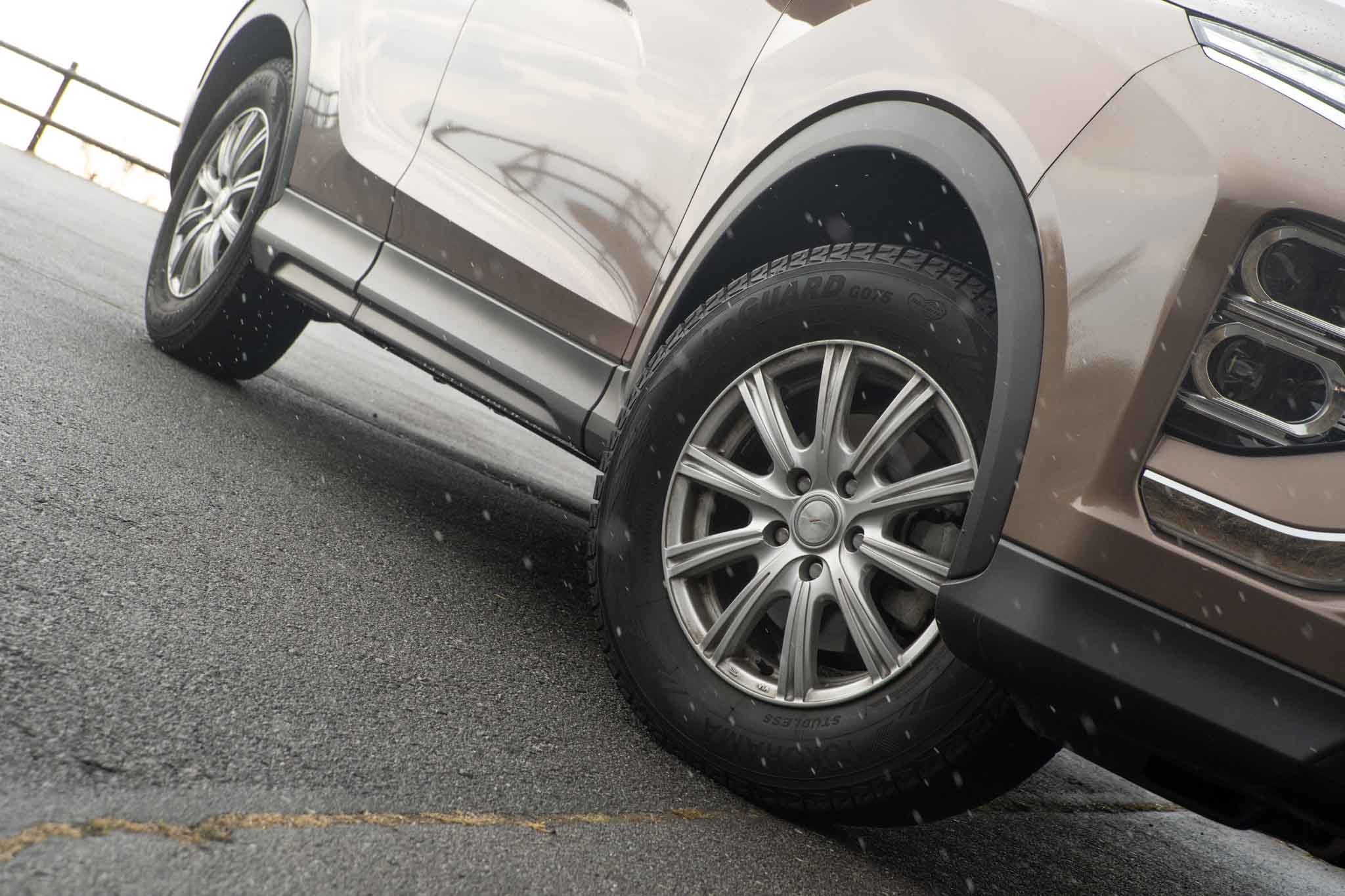
But as a non-performance car, natural grip is not that high, not helped by winter tyres in this case. But it presents genuine fun and little caution for drives that put a smile on your face.
Should that smile wither into shock from obstacles on the road, braking is confident with good stopping ability and a well-tuned pedal feel. To see these obstacles is also a plus with fine outward visibility to tell the end-to-end of the car – let down by 3/4 rear visibility due to chunky rear pillars.
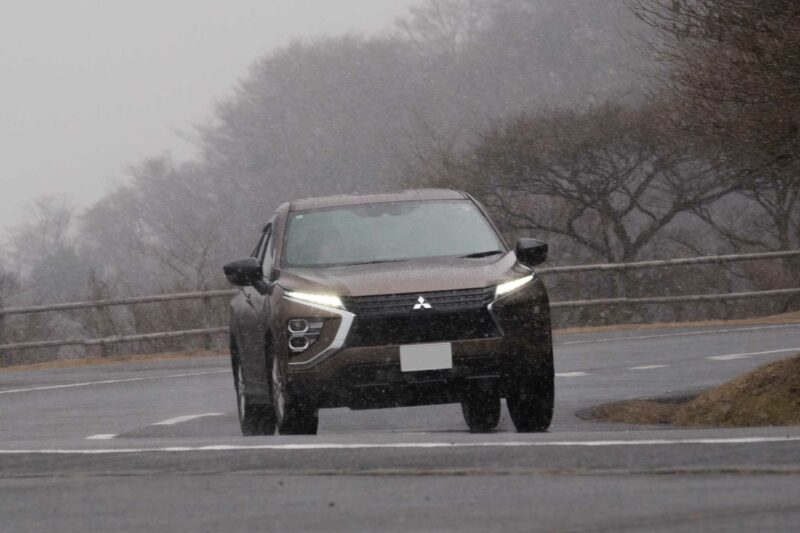
Image credit: @spottedbyseanan
Real-world living
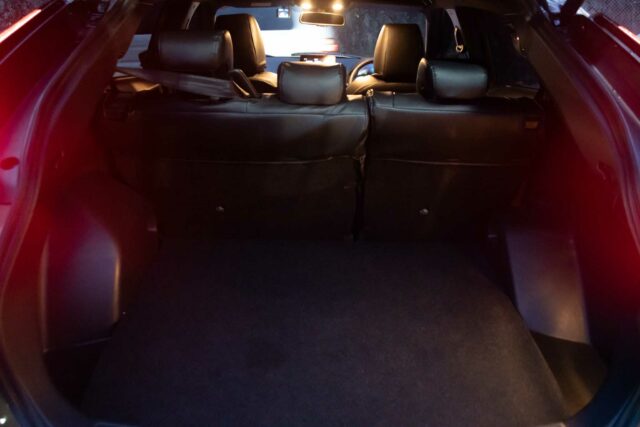
As a package, the Eclipse Cross excels in boot space to compensate for the less favorable rear seating space. 405 litres of fillable room awaits you in the back, although the crossover sloped rear design does kill additional space it could have boasted. The space is surprisingly commodious as-is and enough for grocery or airport runs, and possibly up to (rather cumbersome) van use with folded-down rear seats.
Over purely city driving and much use of the twisty roads in Hakone, I averaged fuel consumption of 7 kilometres per litre. This is done by prioritizing spirited fun, but normal consumption is still rated at 13.7 kilometres per litre for combined trips.
As for safety that enthusiasts and non would want to know, it comes with seven airbags located on the front, seats (side), curtains and driver-side knee area.
A bright eclipse
In summary, does it fulfill that two-car option with only one set of wheels? I am pleasantly surprised by how the Eclipse Cross has delivered in terms of fun and frills, in equal measure chill and done (with bashing the car). Price no object, I would lean on yes, even though it sacrifices a huge amount of fun achieved only in a more analog car.
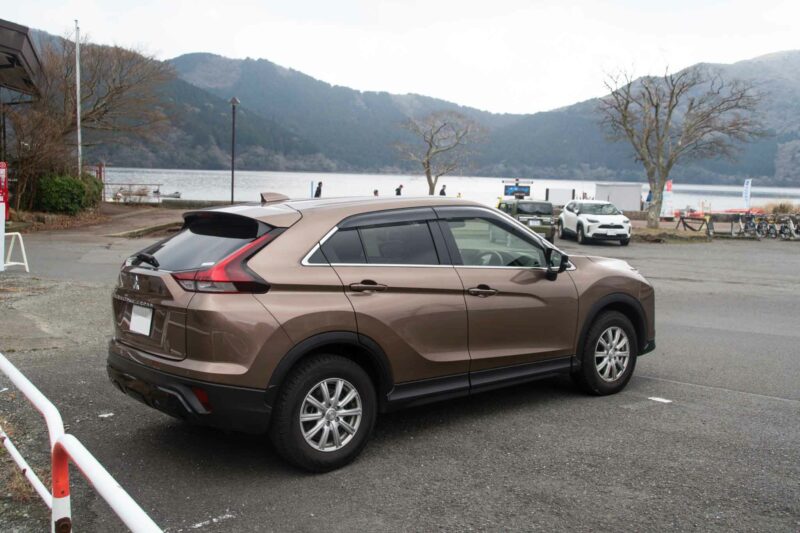
Its rated more towards being new no-fuss motoring, a safe option that combines some sportiness in driving, but not close to actual sports cars. Its a compromise for the family man who wants some humble fun occasionally – which the simulated gear select and capable chassis can fulfill. The engine is efficient enough as a non-hybrid with fair interior quality and ergonomics that won’t prove offensive.
The facelifted Mitsubishi Eclipse Cross does seem to be asking a huge sum of ¥3,000,000 and up. Its around the expected pricing for a new car, but can be undercut by Chinese offerings or other Japanese makes. It is a good car, but the appeal from both monetary and desirability is mixed. Comfort sits higher for the Eclipse Cross, and for enthusiasts, it never will be a true Eclipse successor – even with a RALLIART edition if it will ever exist. Still, I consider myself impressed.
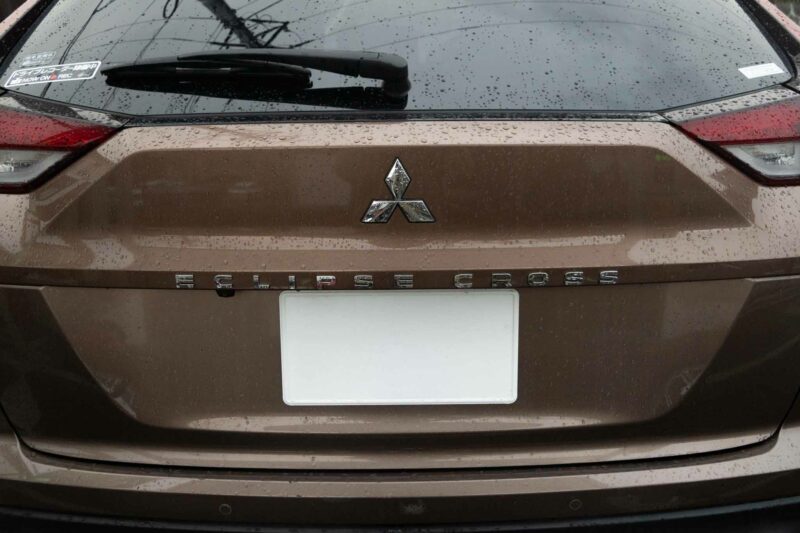
Specs for this Mitsubishi Eclipse Cross Facelift:
Price (for Japanese market at time of writing): ¥3,000,000 – ¥6,000,000
Engine: 1.5-litre turbocharged four-cylinder (4B40)
Transmission: INVEC-III CVT with simulated 8-speed
Power figures: 161 horsepower, 250Nm torque
0-100km/h: 9.7s
Top speed: 200km/h
Consumption: 7 kilometres per litre
Drivetrain: Front-wheel drive
Weight: 1,480 kilograms
Engine capacity: 1,499cc
Dimensions (Length, Width, Height): 4,545mm, 1,805, 1,685
Wheelbase: 2,670mm
Seats: 5
Cargo capacity: 405 litres, 1,172 litres (rear seats folded)
~Efini
Gallery:
Read more: RoadNotes: GWM WEY G9 Hi4 PHEV (Malaysia-market)