This pocket rocket is the alternative to the drop-top kei-sports car.
You might know of the “ABC” kei-sports cars; those being the Autozam AZ-1, Honda Beat, Suzuki Cappuccino. This trio is the affectionate bunch with an unmistakable sports car silhouette and equally peppy engines – essentially the FR (front-engine, rear-wheel drive) sports cars of the 1990s..
And where you had FFs (front-engine, front-wheel drive) sports car, the kei-classification had its own “hot” hatch offerings.
The late 1980s introduced many of these performance-oriented models, but come the early 1990s and as more domestic manufacturers cashed in on an improving economy, Subaru tried a new twist on the fast kei-car formula.
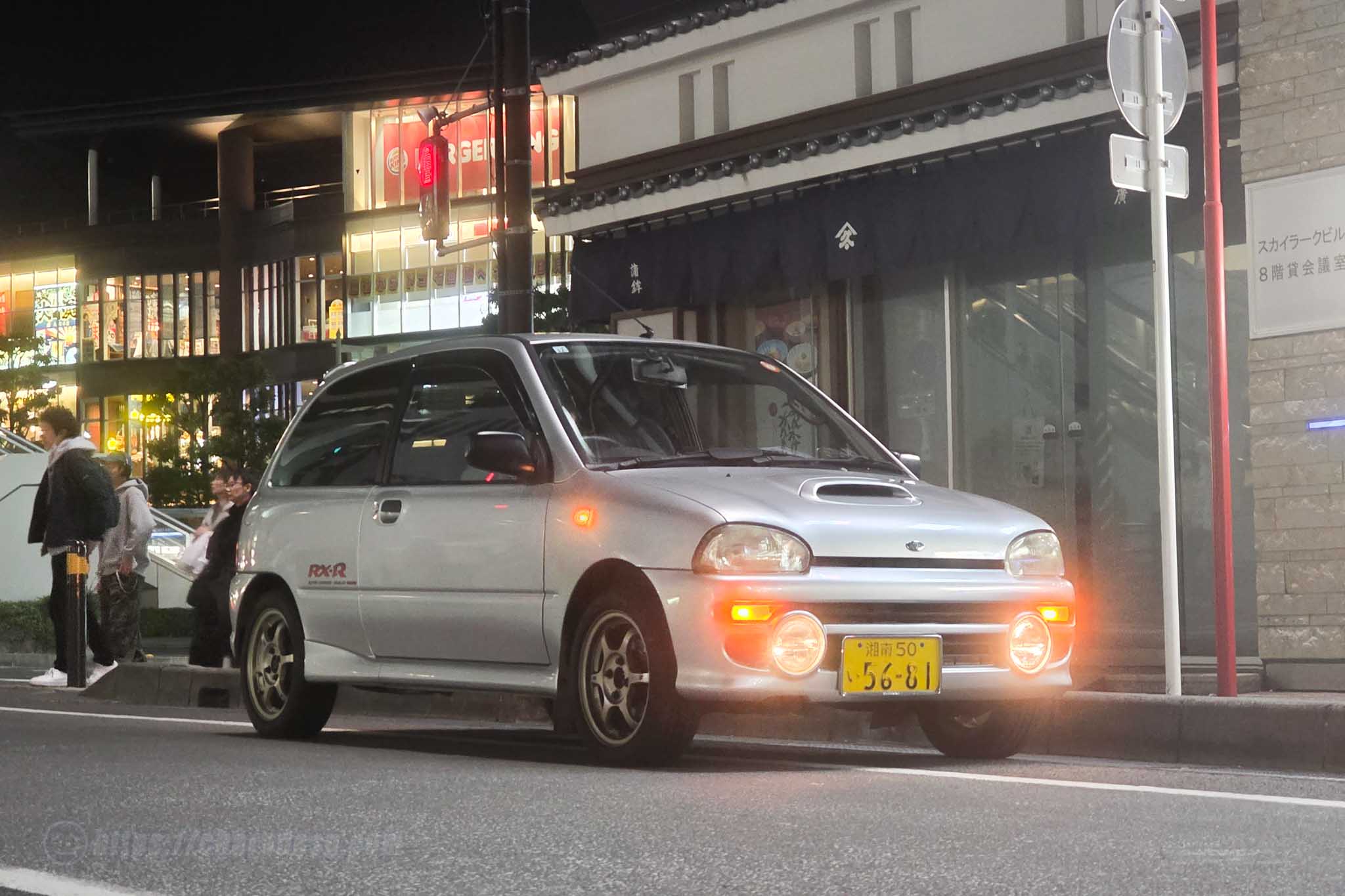
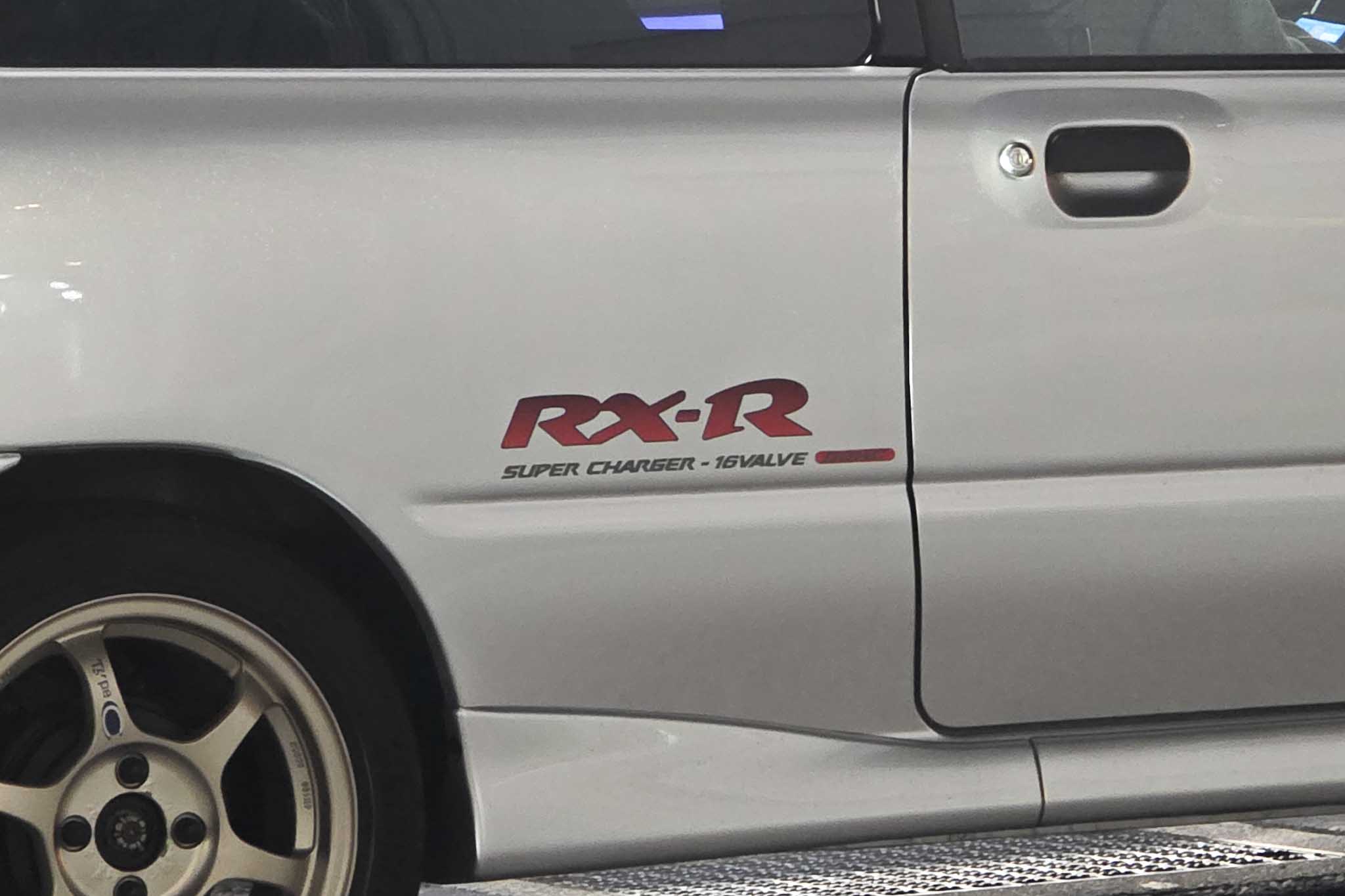
The Vivio was introduced in 1992, already available with the top-of-the-line performance variant. Like the Impreza saloon had the WRX, the Vivio got the RX-R.
The RX-R specification came available with a supercharger mated to its 660cc twin-cam four-cylinder, making the maximum allowed (quoted) horsepower dictated by kei-class specifications of 63 horses, with 88Nm of torque. Paired is a 5-speed manual transmission with variations of front and all-wheel drive.
Like the Impreza, the Vivio proved to be a workable base for rally racing, being present both in grassroots and international events, achieving subpar performance in the latter.
As for grassroots, it proved popular domestically and internationally where Subaru had surprisingly opted to sell the Vivio and RX-R trim with little changes from the domestic market. Markets like Singapore received the little Category 1 COE critter, with the RX-R having a noticeable role in local motorsports (though definitely overshadowed by everything else).
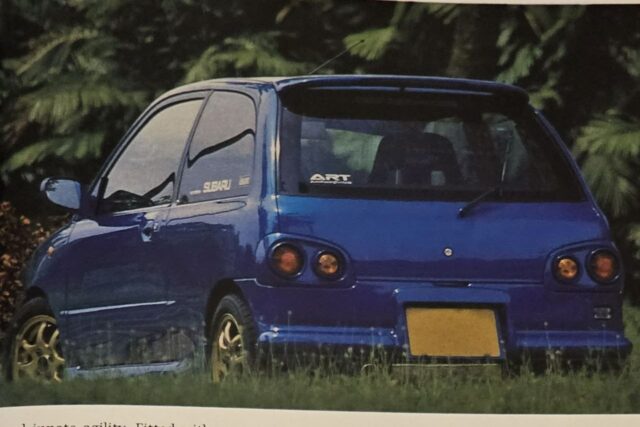
They still have a cult following in certain groups and parts of the world, undoubtedly none more than Japan, where these cars still pop up in grassroots racing and are remembered fondly by ex-owners. This particular one probably didn’t partake in any events, but I commend its presence.
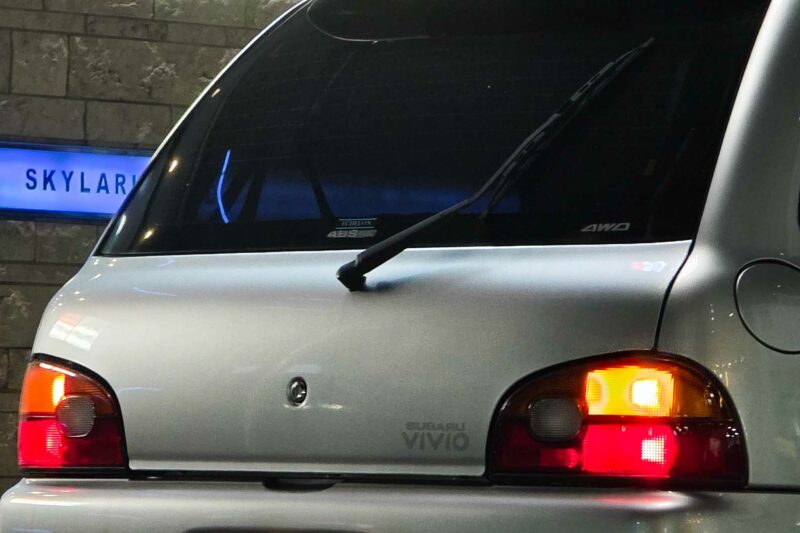
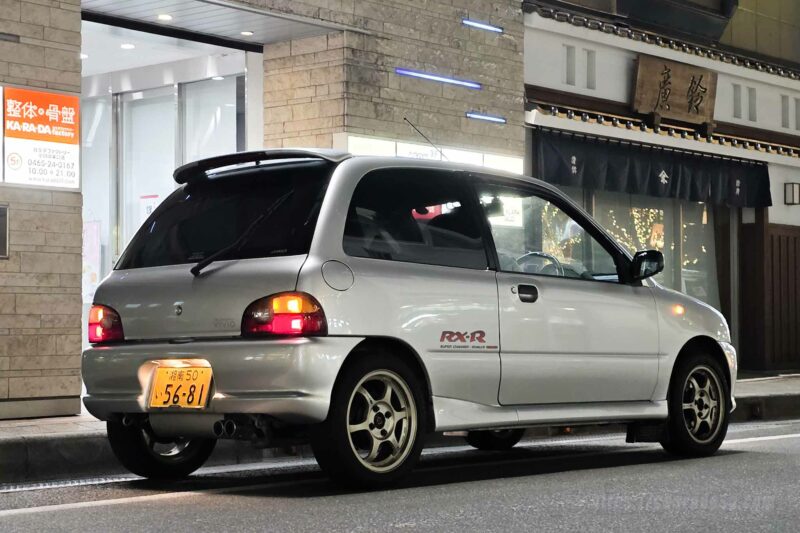
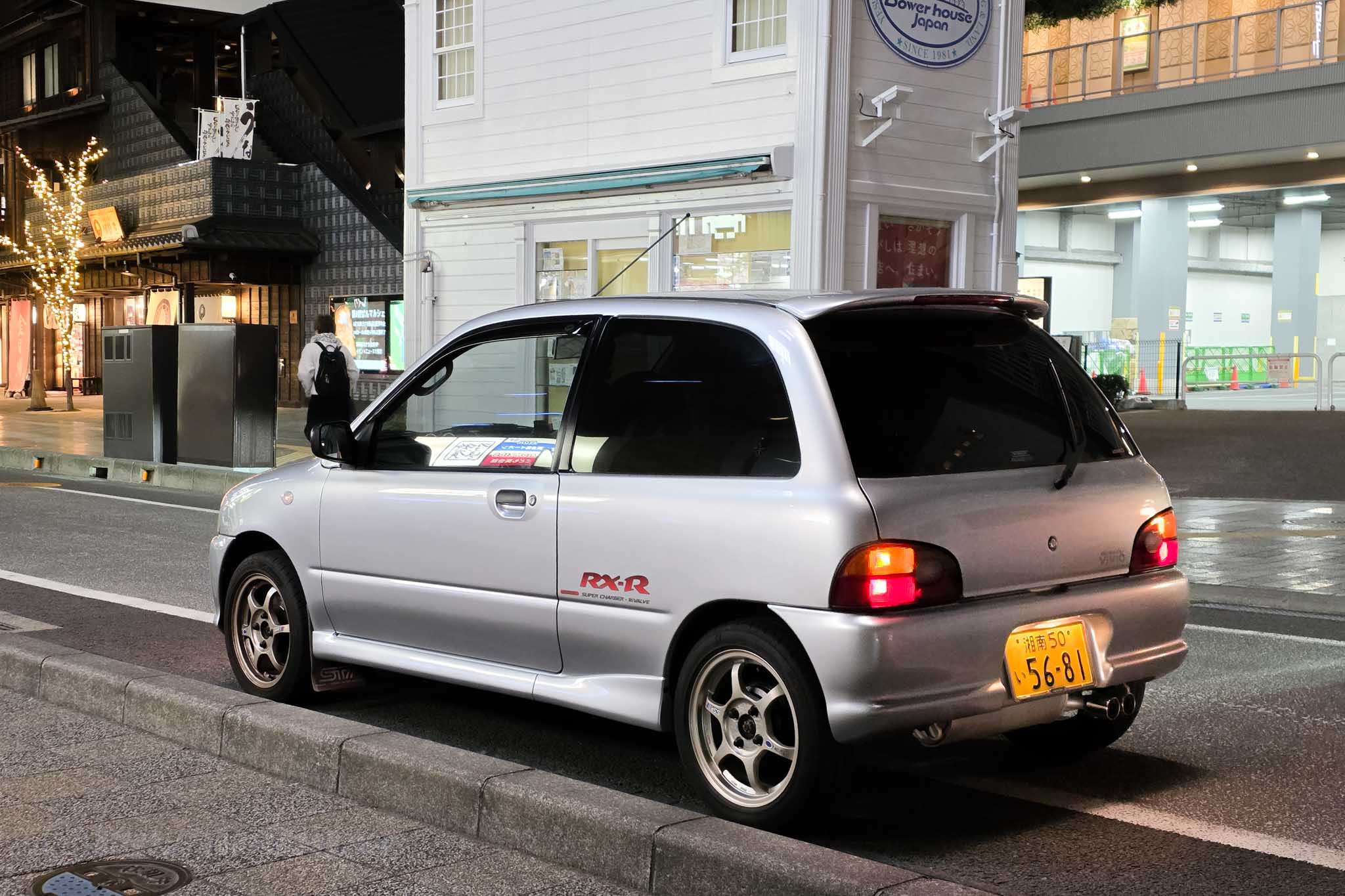
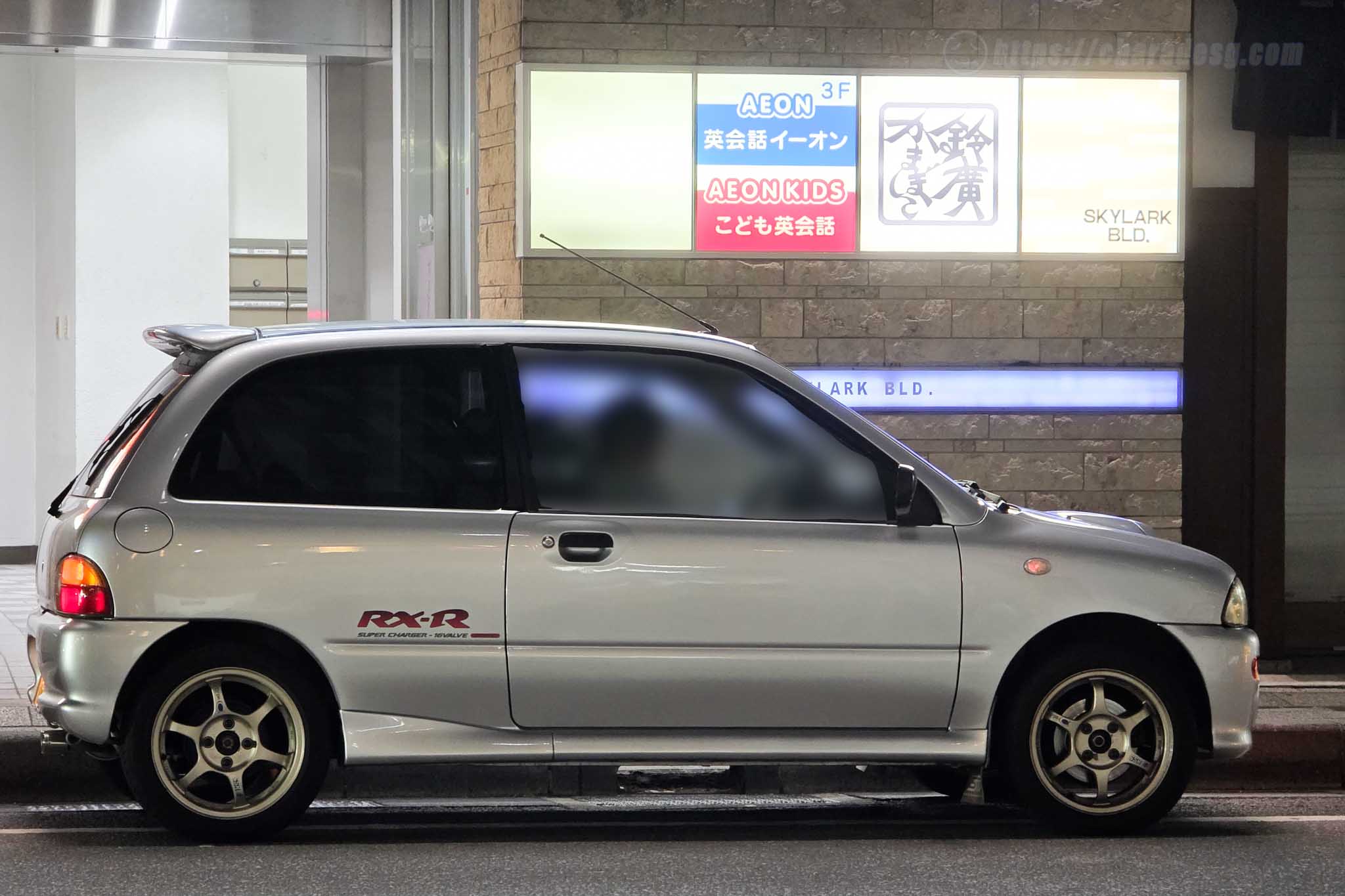
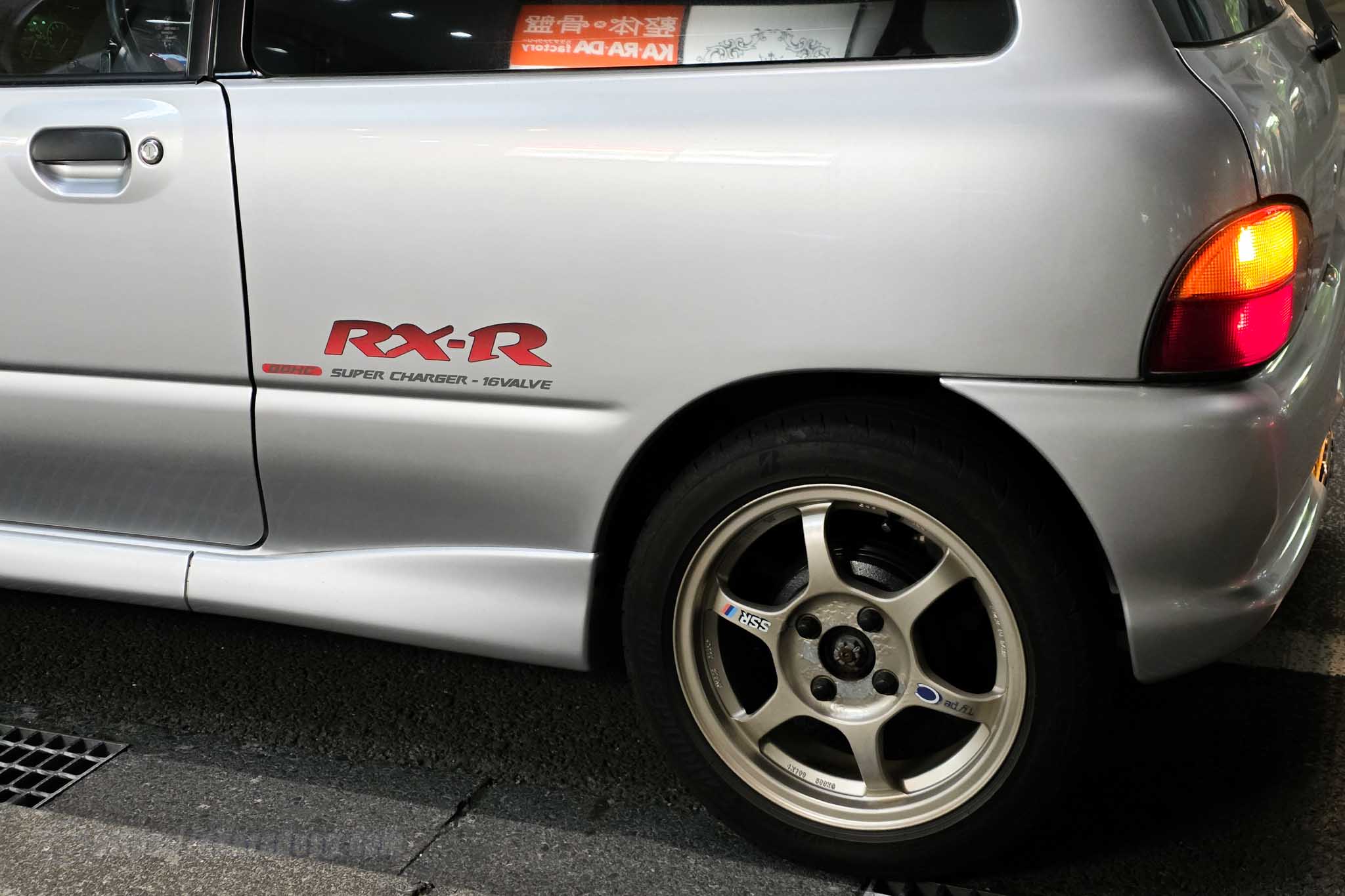
This was along Odawara Station after my group walked back from the nearby beach. Finished in silver (that I don’t know the name of) and sitting on a small set of SSR Type-Cs, its a simple combination on a lean but mean car like this.
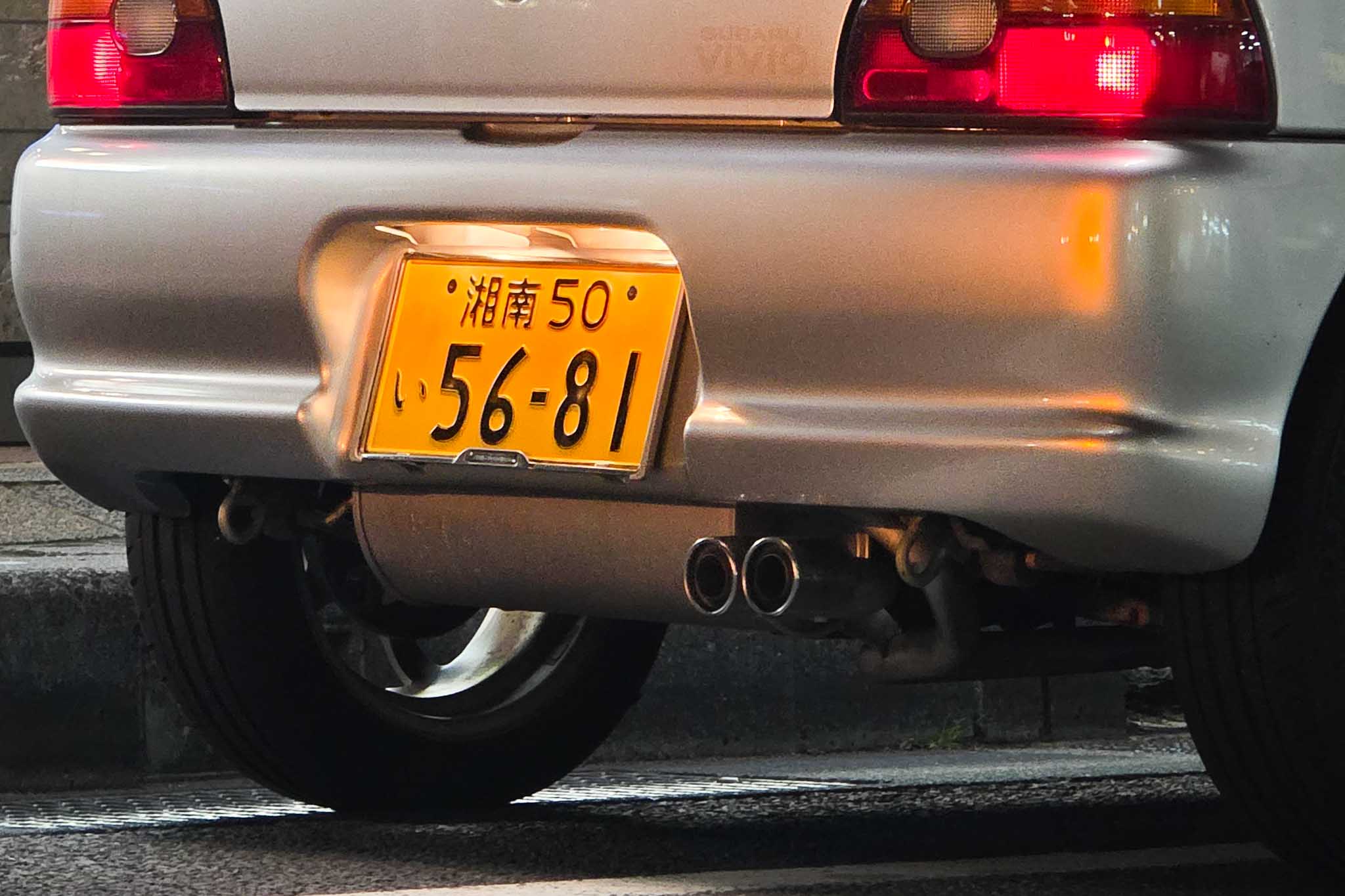
Still retaining the original window stickers, trunk stickers and especially the stock muffler is absurdly impressive. If it is a one-owner car, I would believe it.
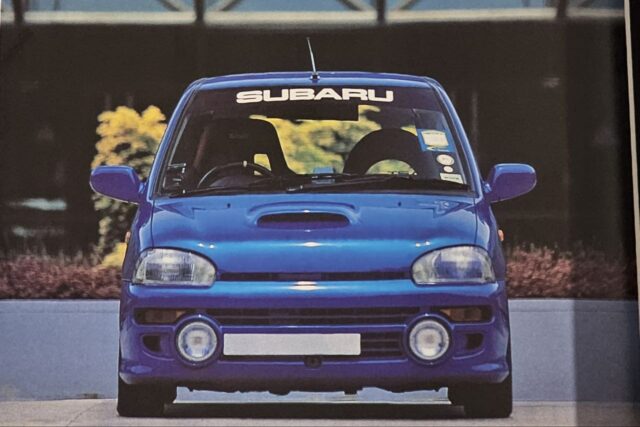
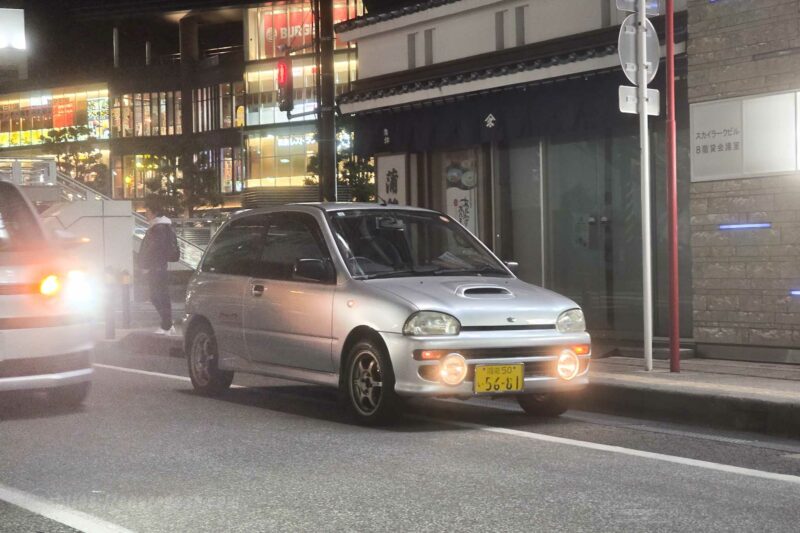
The styling is a combination of “of-its-time” and rally prowess – a pretty bubbly body and lights but made ever-so aggressive with foglights as big as the headlights itself and a bonnet scoop similar to the Impreza WRX.
The Vivio was also offered in 5-door guise which is what the economic models tend to be, with some special editions created to chase sales, included but not limited to the Club Bistro, a trim created to chase the retro-look that buyers were keen on at the time.
The Vivio wasn’t going to be a nameplate with history, replacing the Rex kei car before it and replaced by the Pieo afterwards. The Vivio nameplate isn’t so vivid as it once was, but its clear as day how cool the RX-R has become as it reaches classic status.
~Efini
Gallery:
Read more: Tourist in Japan: Tokyo to Odawara