Elusive and left in the past? A segmented history about Holden, and the one unicorn that survived Singapore’s grasp.
Disclaimer: Not all images in this post are our own. All images are used strictly for editorial purposes and do not imply endorsement or criticism of any kind. If you are the rightful owner of any featured image and would like it removed, please reach out to us on Instagram at @charadesg or email to charademail@proton.me. Thank you for your understanding.
Car-buyers in the automotive scene before the 2000s might have remembered the Holden brand – the Australian subsidiary company of General Motors.
For a time from the 1960s, Holden was a decent competitor in the Singaporean car market, with some of its models even being used in the Singapore Police Force’s lineup – unfortunately long defunct and discarded.
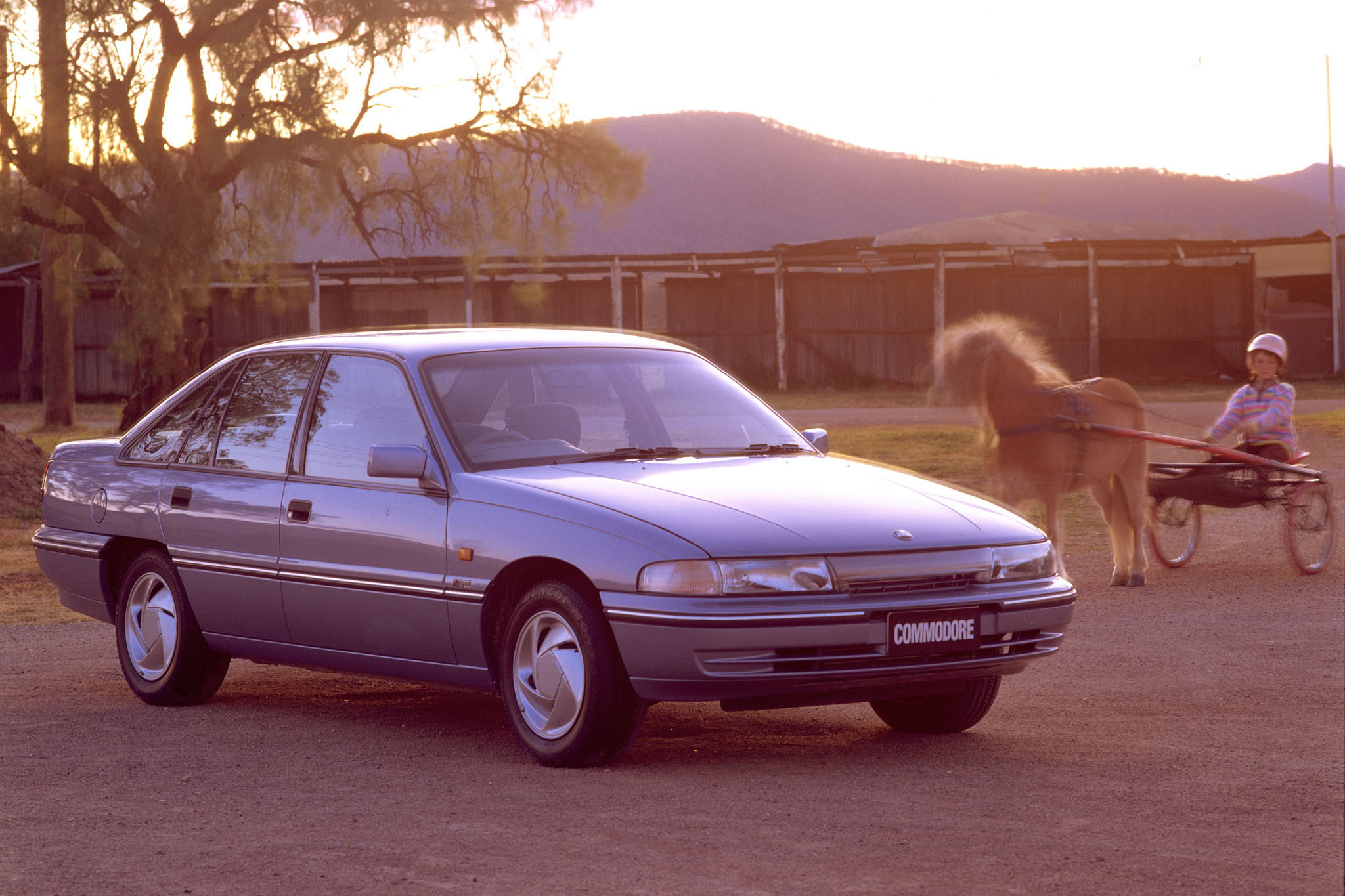
The Calais for export markets
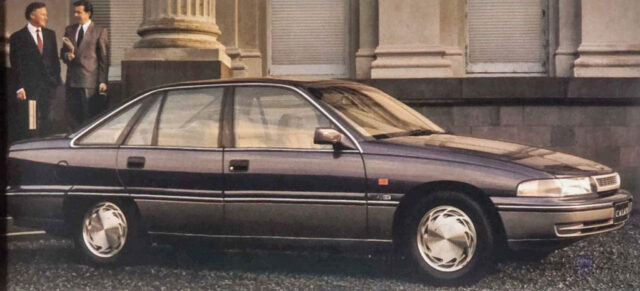
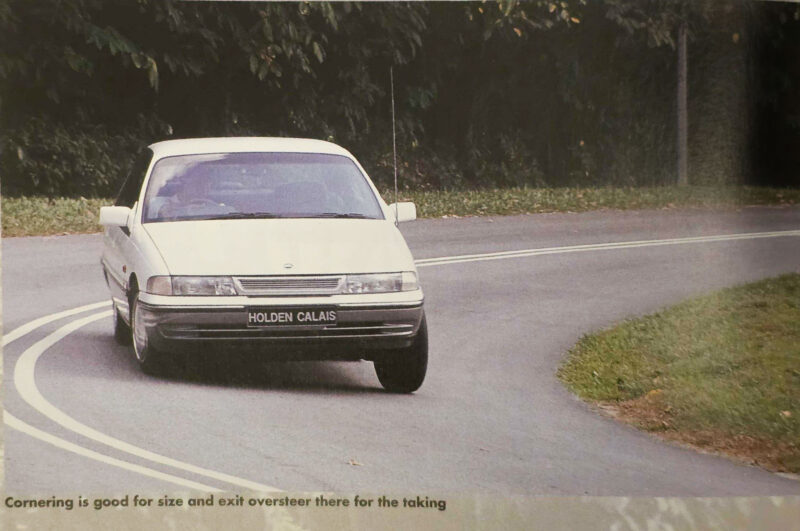
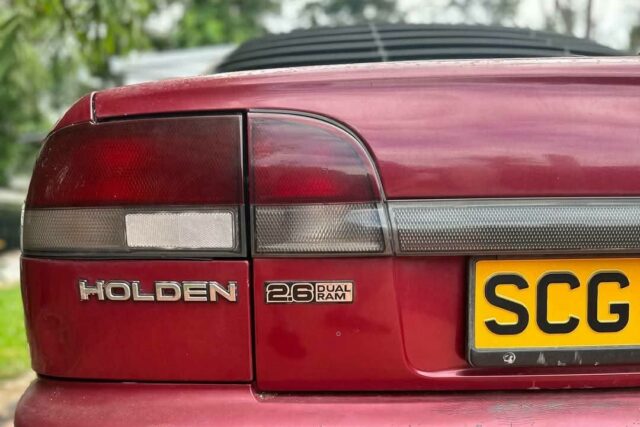
One of the last few models sold in Singapore was the VR-generation Holden Commodore, sold as the Calais outside of Australian markets. The Holden Calais was the highest trim available (in Australia) of its model code, although it fundamentally shared its body with the more iconic Commodore nameplate.
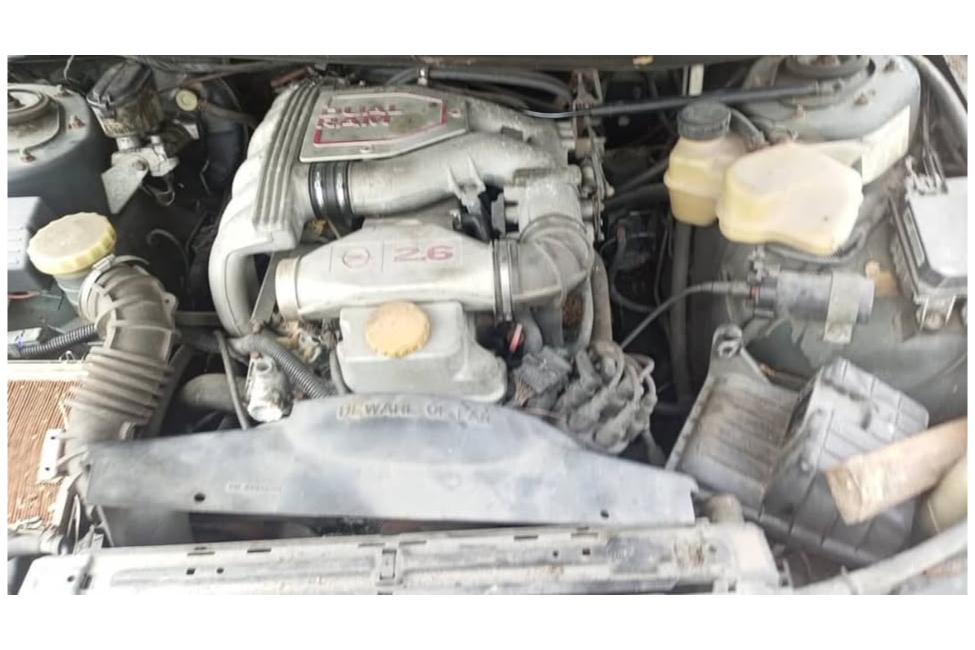
Export models were sold as the Calais, receiving the 2.6-litre “Dual-Ram” C26NE inline-6 engine sourced from Opel, unavailable domestically. This engine was a variation of the initial 2.5-litre inline-6 first offered in Opel products, namely Senator, Carlton and Omega, enlarged to 2.6-litres. It was made with a 12-valve cylinder head and ram induction system, producing 148 horsepower at 5,600 RPM and 220Nm of torque at 3,600 RPM. This variant would be exclusively sold with only a four-speed automatic transmission.
The dual-ram system is not a ram-air intake system. Opel / Holden’s Dual-ram intake is more of a variable-length intake manifold, with a combination of long and short intake runners to boost low and high RPMs, controlled by flaps to switch between either airflow paths.
Singapore
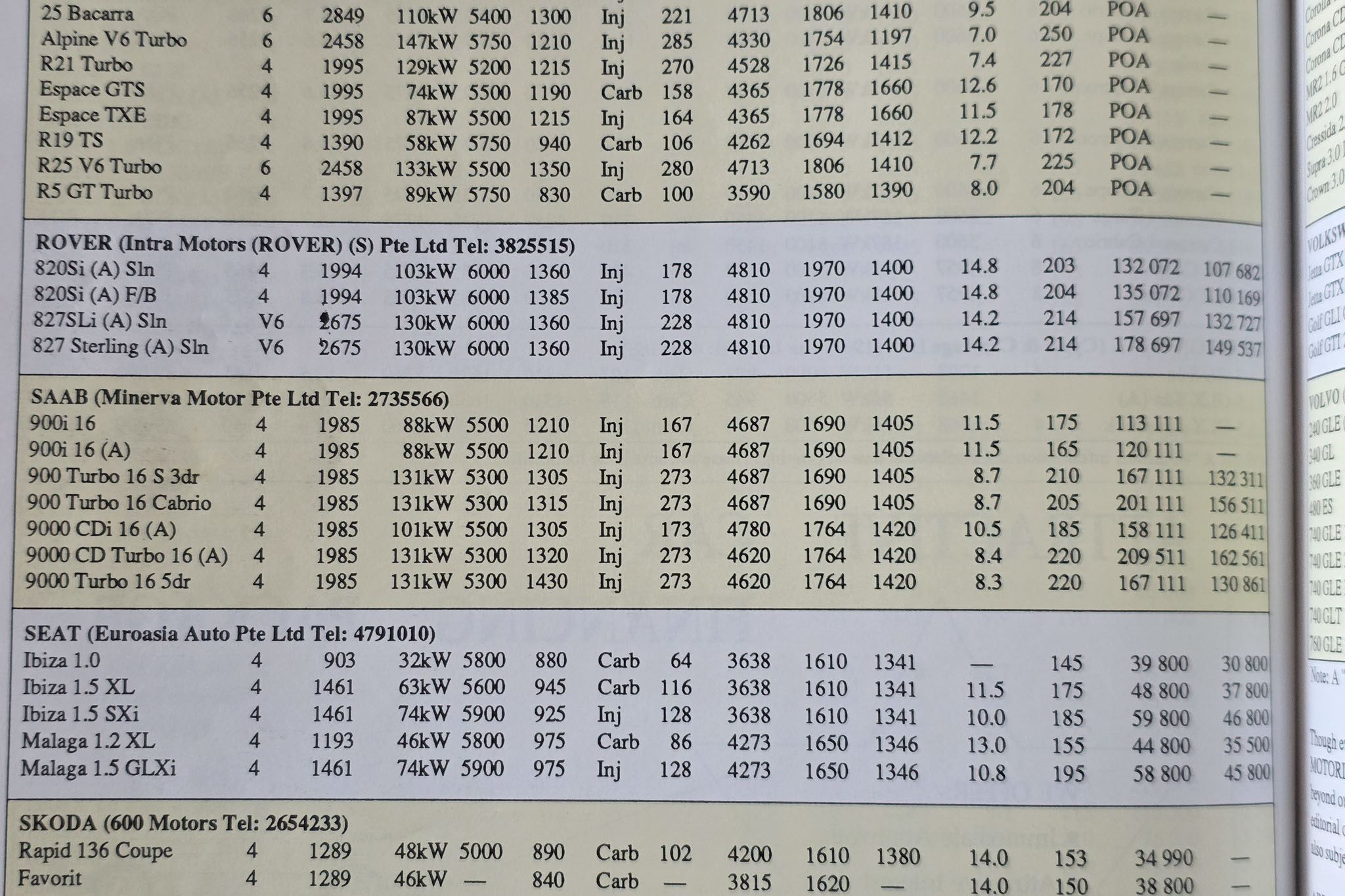
The Holden Calais in 2.6-litre guise was available in Singapore since 1993, sold at a price of S$116,000, inclusive of COE which was averaging around S$17,000 at the time. Even factoring in inflation, it doesn’t take an economist to tell you that the current >S$100,000 COE is comparably ridiculous!
Singapore distribution
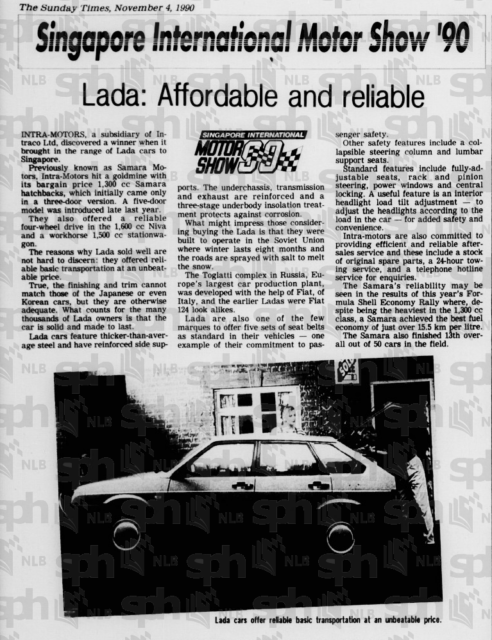
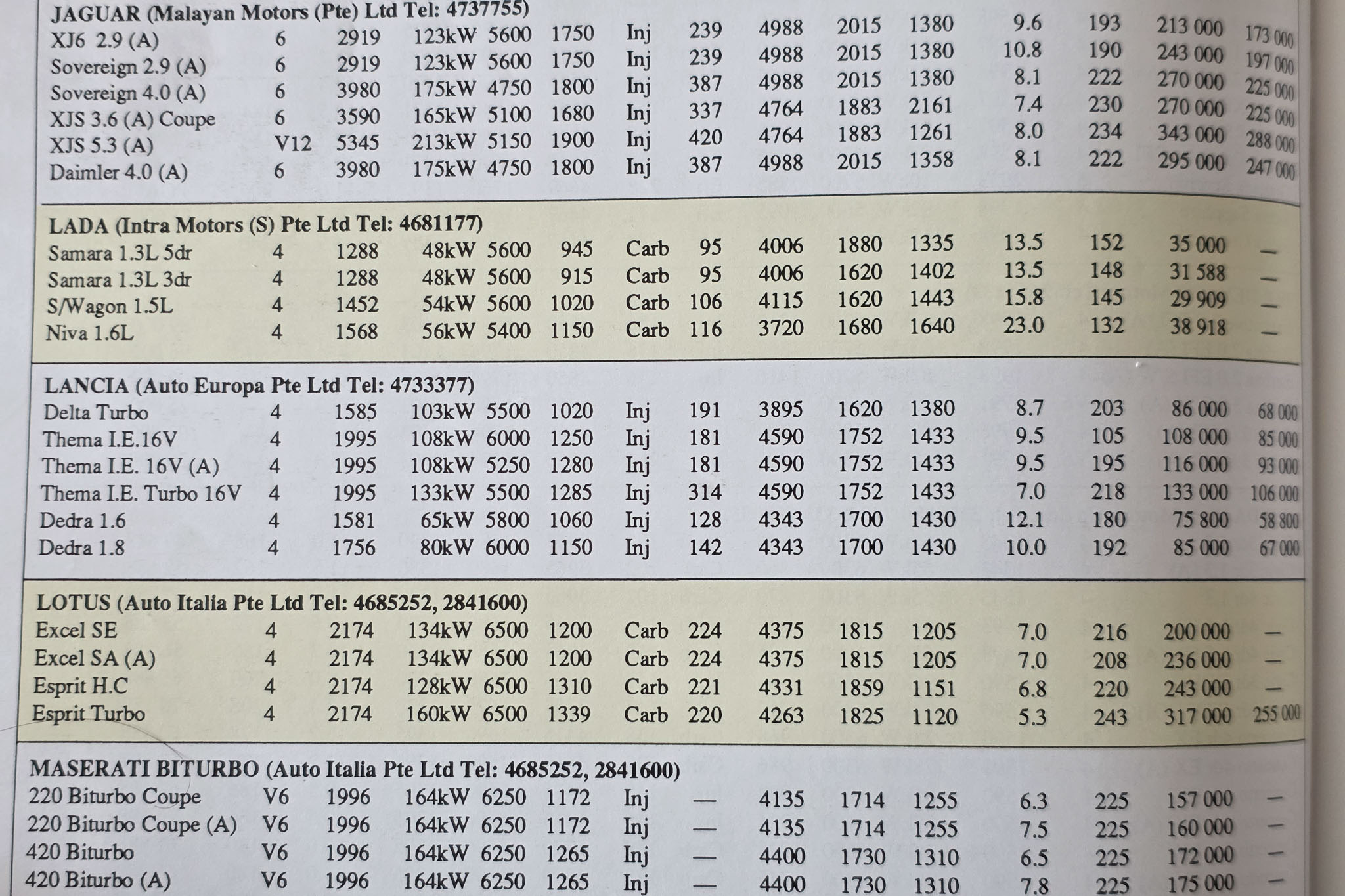
The distributor at the time for Holden cars was Intra Motors; they were not a specialized player in the distribution scene, also assisting with putting Rover back into Singapore’s line of sight, Rover Mini and more interestingly, Lada. That’s right, the same distributor for Rover and Holden was also the same company behind.. Lada.
Does it shout up-market specialty to you? I don’t know, but there are companies now who operate with a similar diversity today.. But for Intra, it is justified as Lada was their humble beginning.
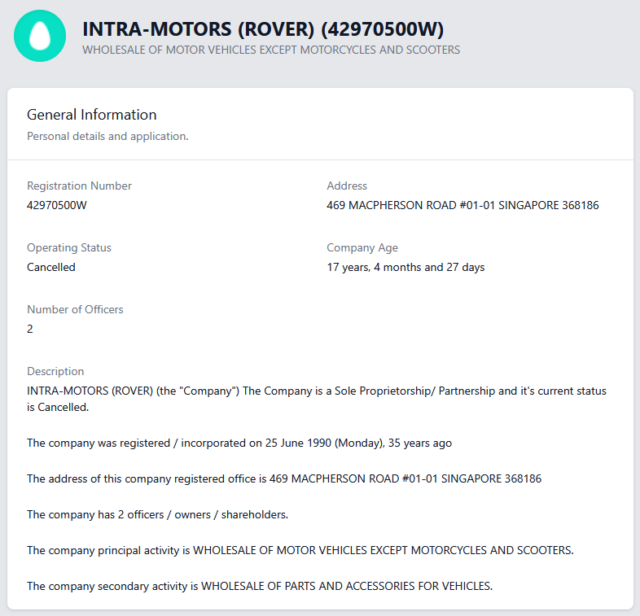
Intra Motors was incorporated in 1988, formerly known as Samara Motors. As a leap up, Intra Motors (Rover) was established in 25 June 1990, and began bringing in Rover cars and eventually Mini.
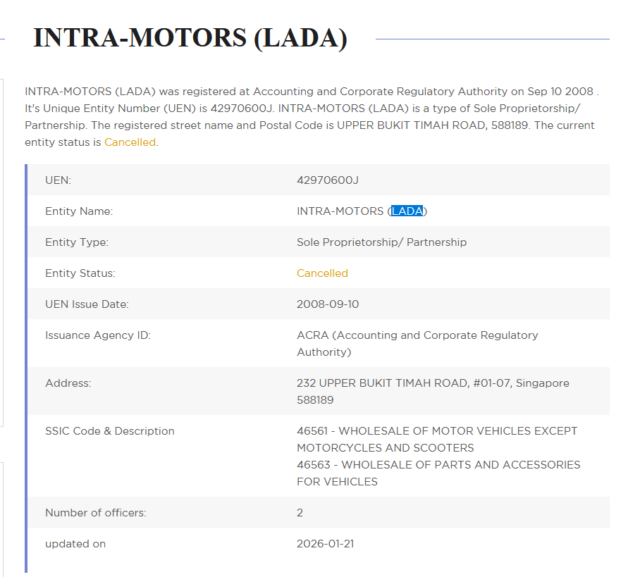
Intra Motors’ Lada division had its Unique Entity Number (UEN) issued in 2008, presumably its status being updated as cancelled then. Intra Motors itself is labeled as struck off on SGP Business and has been since 1 July 2017.
There is no record of Intra Motors’ Holden division being officially established online, but there is enough documentation that they were the distributor for the VR-generation Calais.
As stated before, Holden had a part to play in the Singaporean automotive market even before the 1990s. Although information is scarce on their roots, the brand was being distributed by another company before Intra Motors took over, one called 600 Motors.
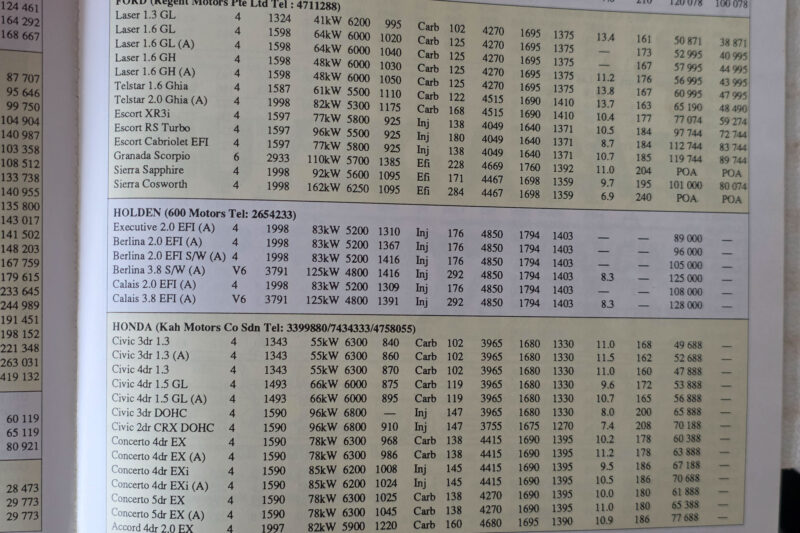
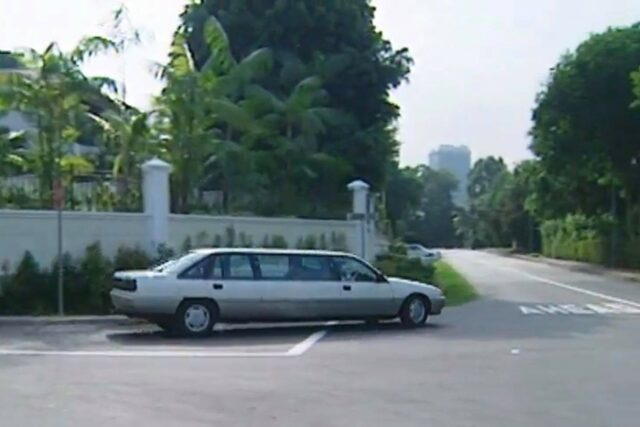
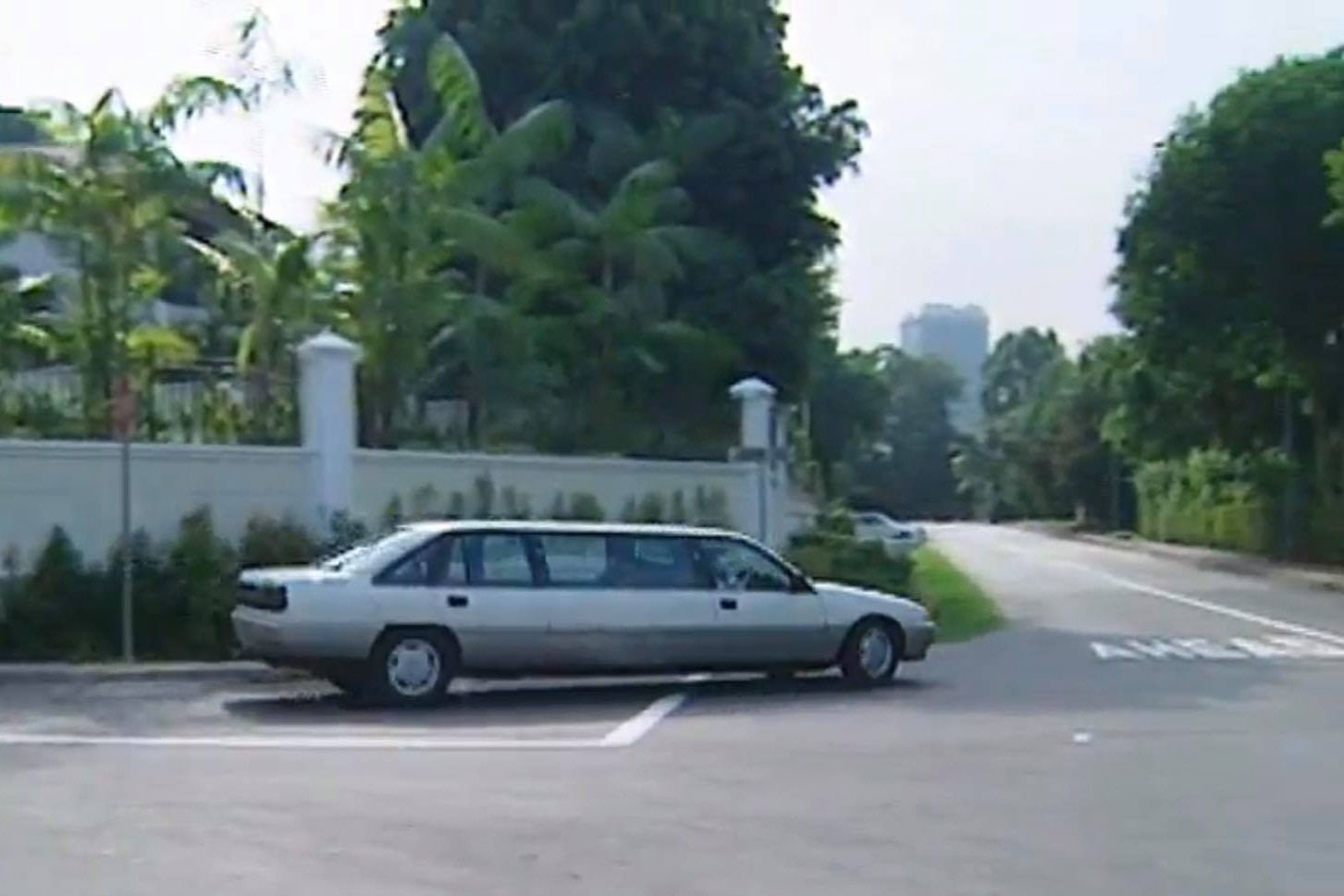
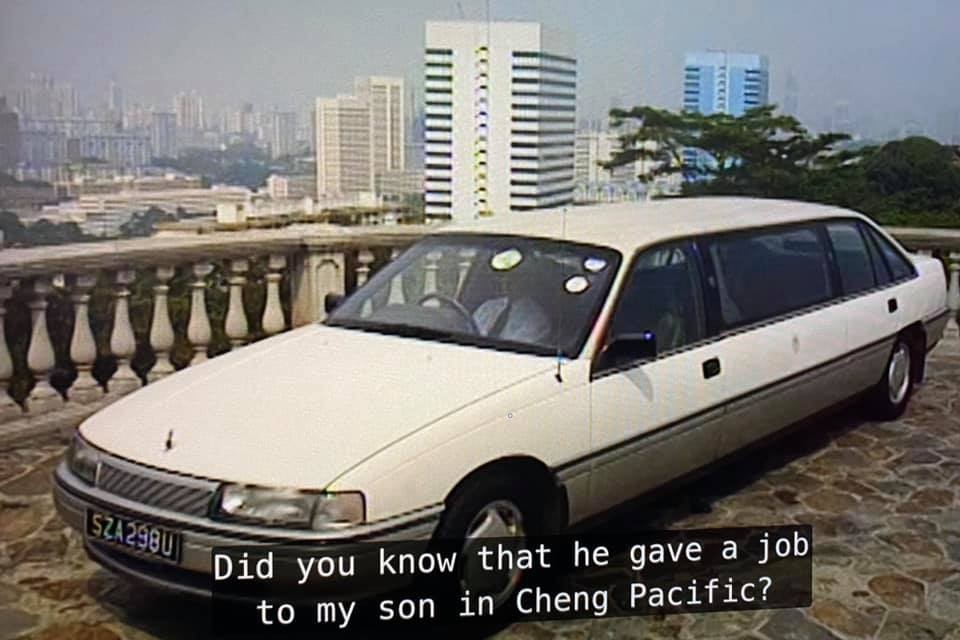
Holden’s lineup then was more diverse, with different trims of the Berlina and Calais in different displacements. There are records (predominantly found in old TV shows) of Calais Royale limousines in the country too.
Returning back to Intra Motors – they in 1990 were just then distributing Rover and were expanding Lada’s range in Singapore.
They had by then changed their company name from Samara Motors. Fitting as the original name suited only one brand and model…
Holden exited the market around the turn of the century, but tried to claw their way back into Singapore in 2010.
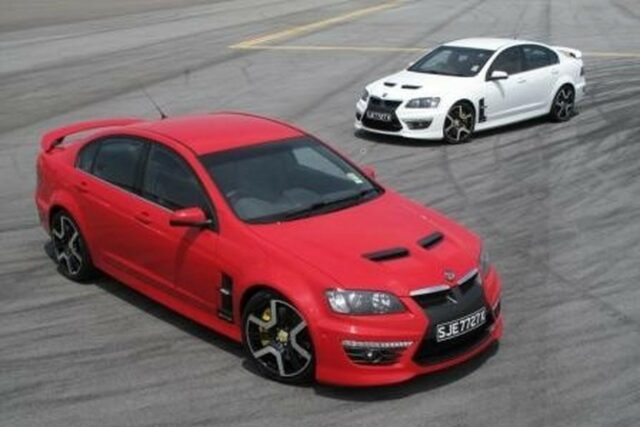
Holden Special Vehicles (HSV) struck a deal for exports in a bit of a gamble to resurrect sales lost during the global recession that halted sales for other markets, and was the first time HSV would try selling cars outside its home market.
The HSV GTS E3 saloon was projected to sell at S$338,000 and the HSV Maloo utility UTE at S$318,000 – competing with German performance cars like Mercedes-Benz AMG and BMW M.
Despite an exciting press launch and showroom, HSV may have sold zero cars. Though there has been records of any HSV product being registered in Singapore, all of them were registered for and by the dealership (Harvest Auto), rocking ‘7277’ plates.
The closest would be Malaysian Sultan’s royalty units that visited Singapore in the 2010s. Outside of diplomatic cars (one a 2009 Holden Caprice 6.0!) and an Expat’s 2012 Berlina (exported in 2022), Holden saw no actual car sales in Singapore. Worth noting was a brief period in 2004 where the Chevrolet Lumina (based on the Commodore VY) was offered for sale – none remain today.
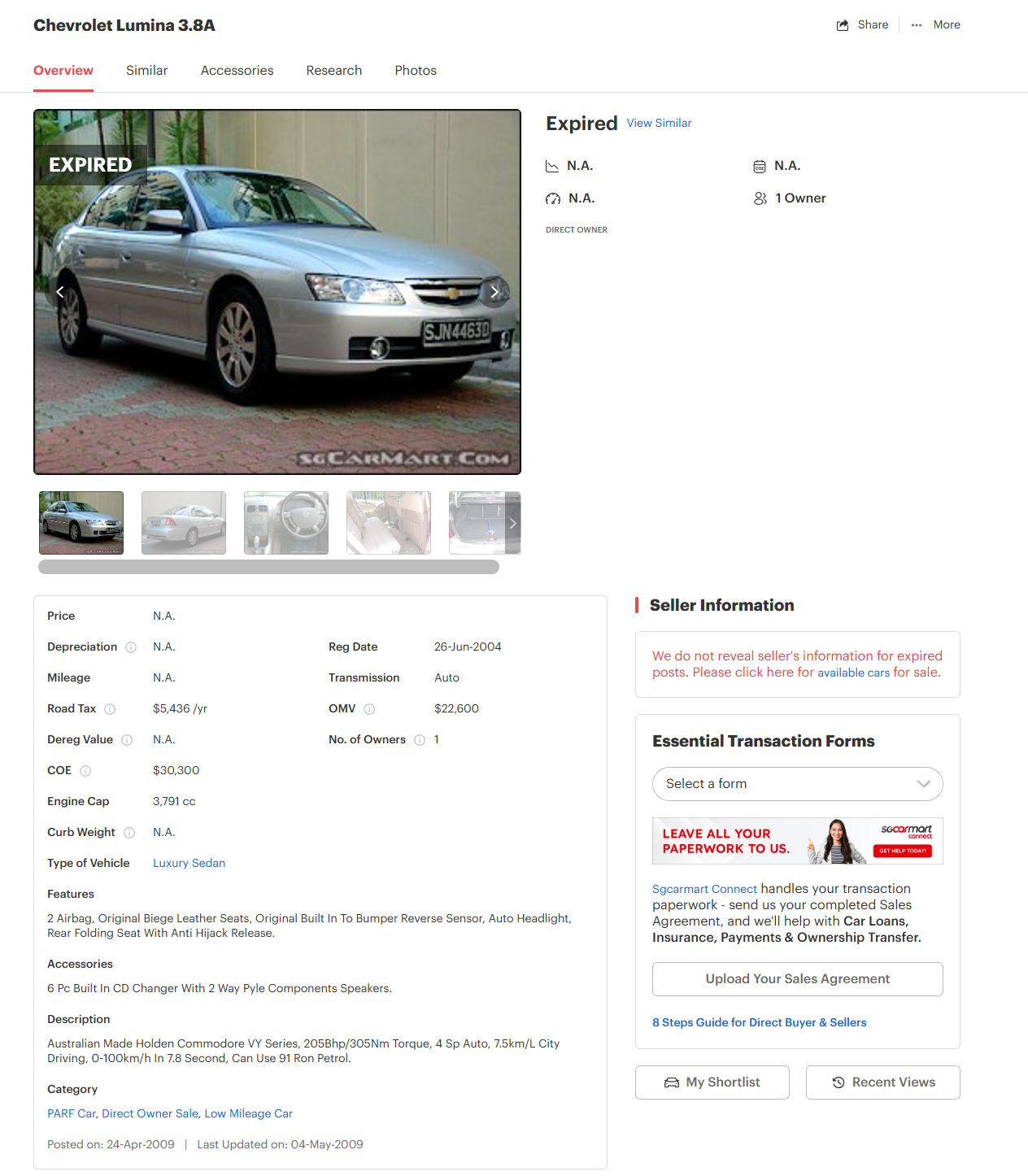
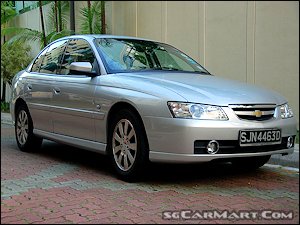
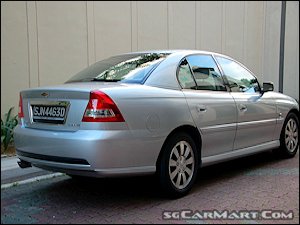
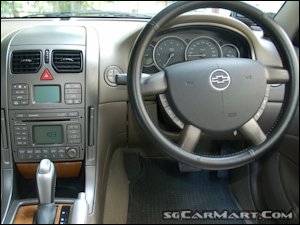
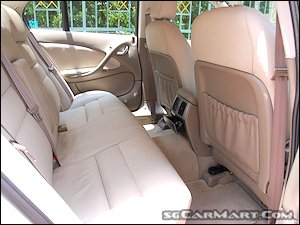
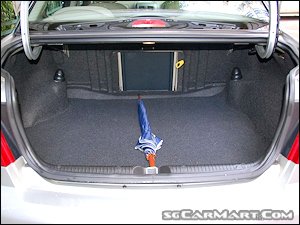
Image credit: Sgcarmart
Malaysia (briefly covered)
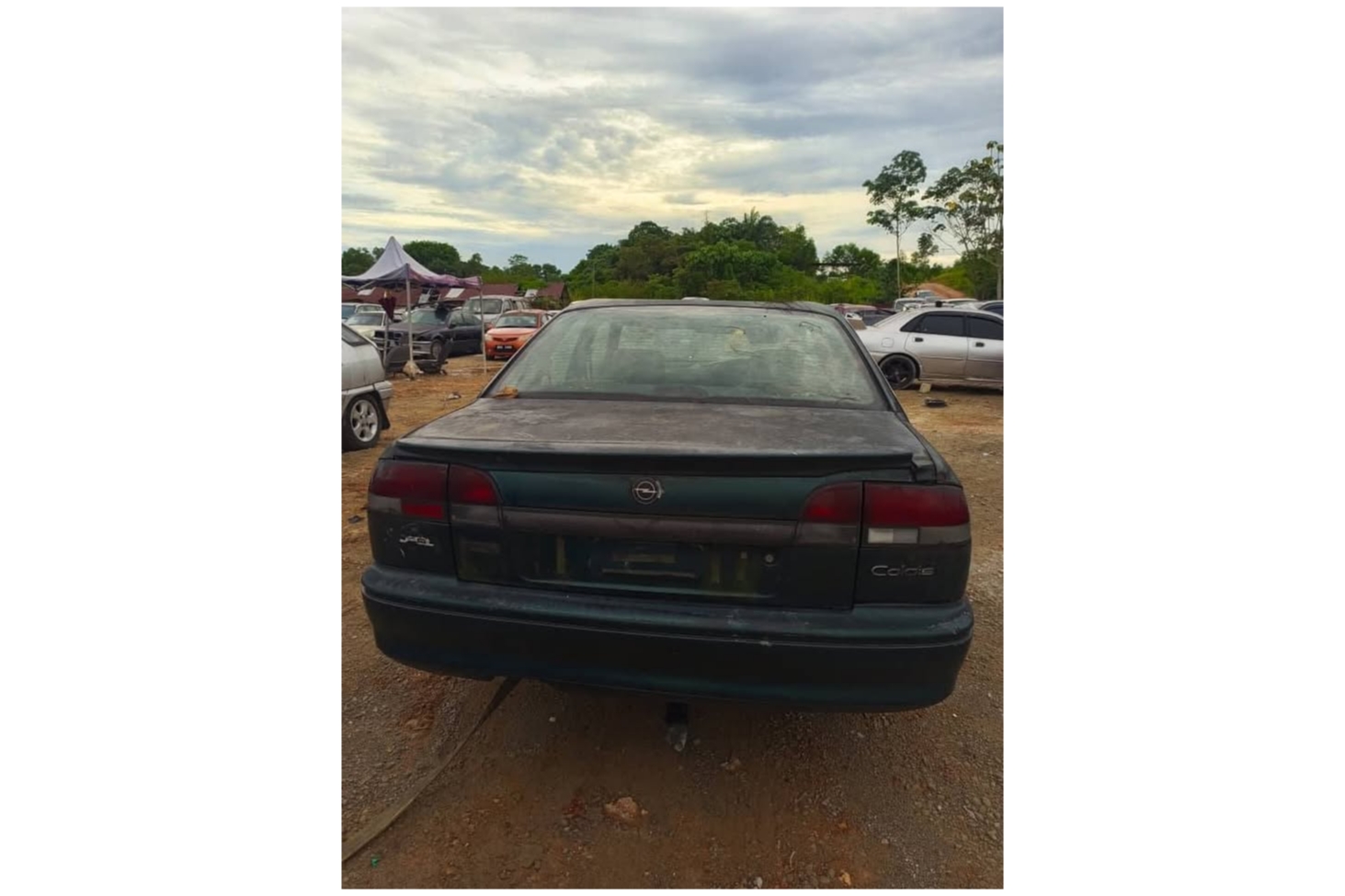
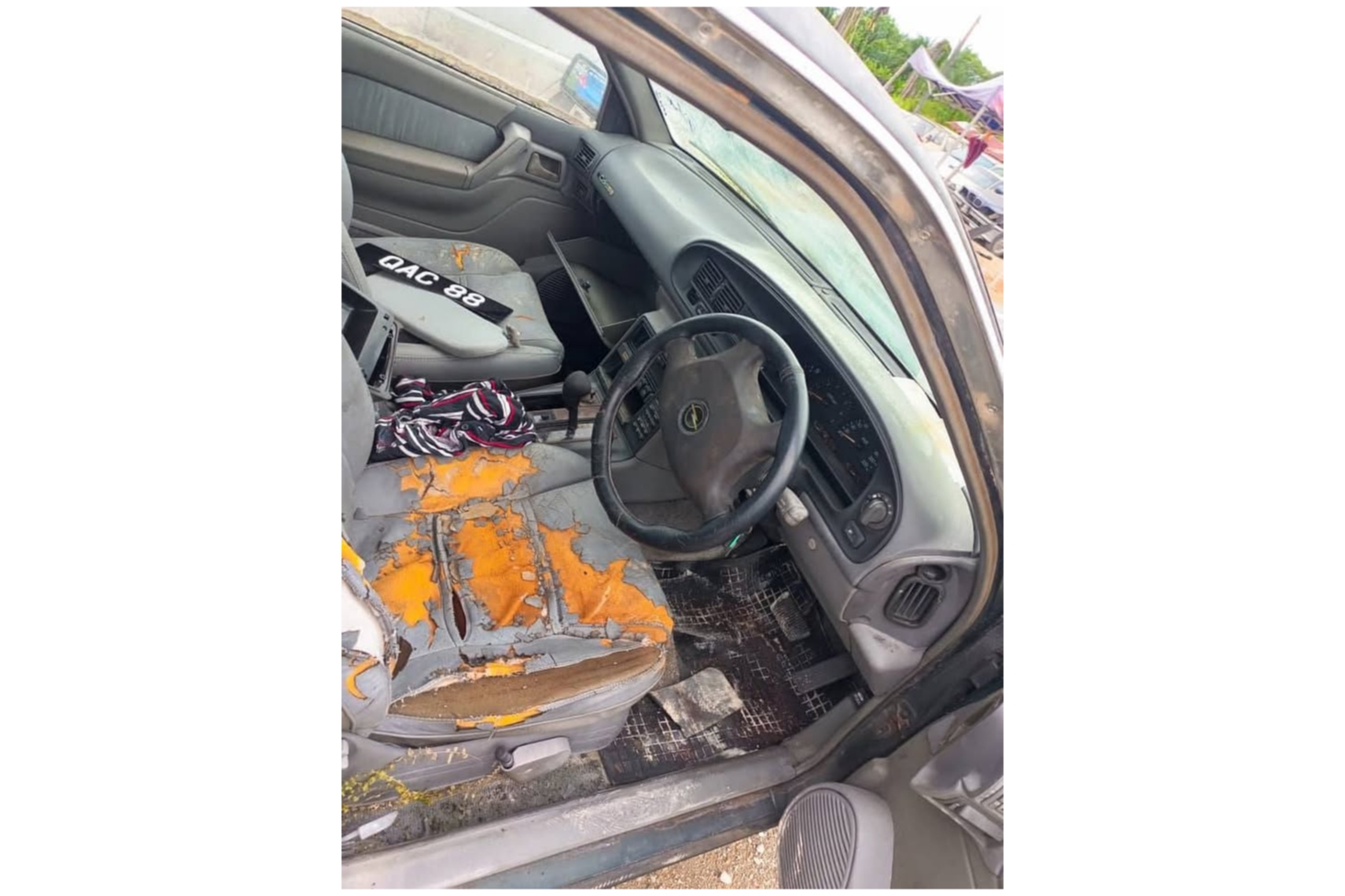
Malaysia received the Calais via the Opel brand with largely the same specs as the Singapore-bound cars, with the same “2.6 Dual-Ram” trunk badging but with Opel badges. Distribution of the Calais (if not Opel) was handled under Europel Sdn Bhd. (Malay term for privated limited).
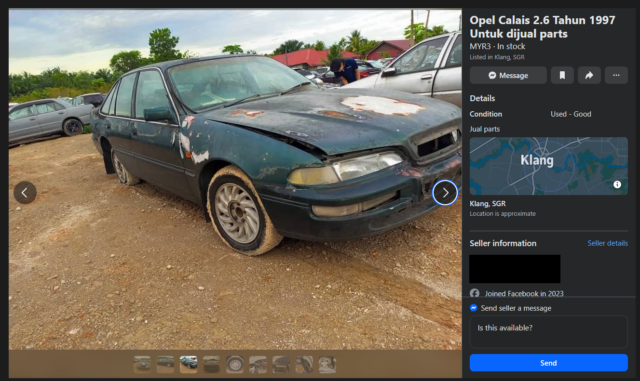
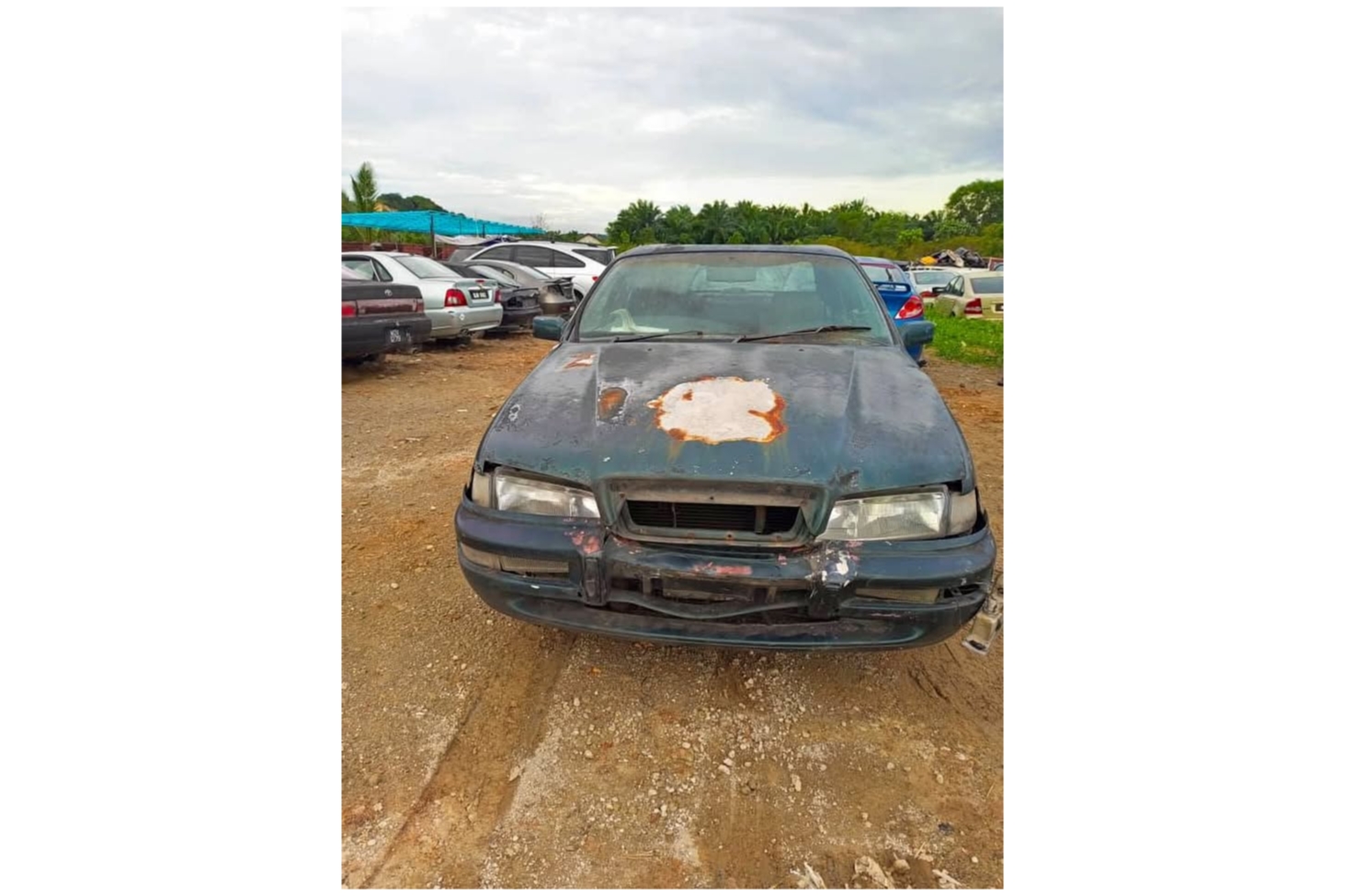
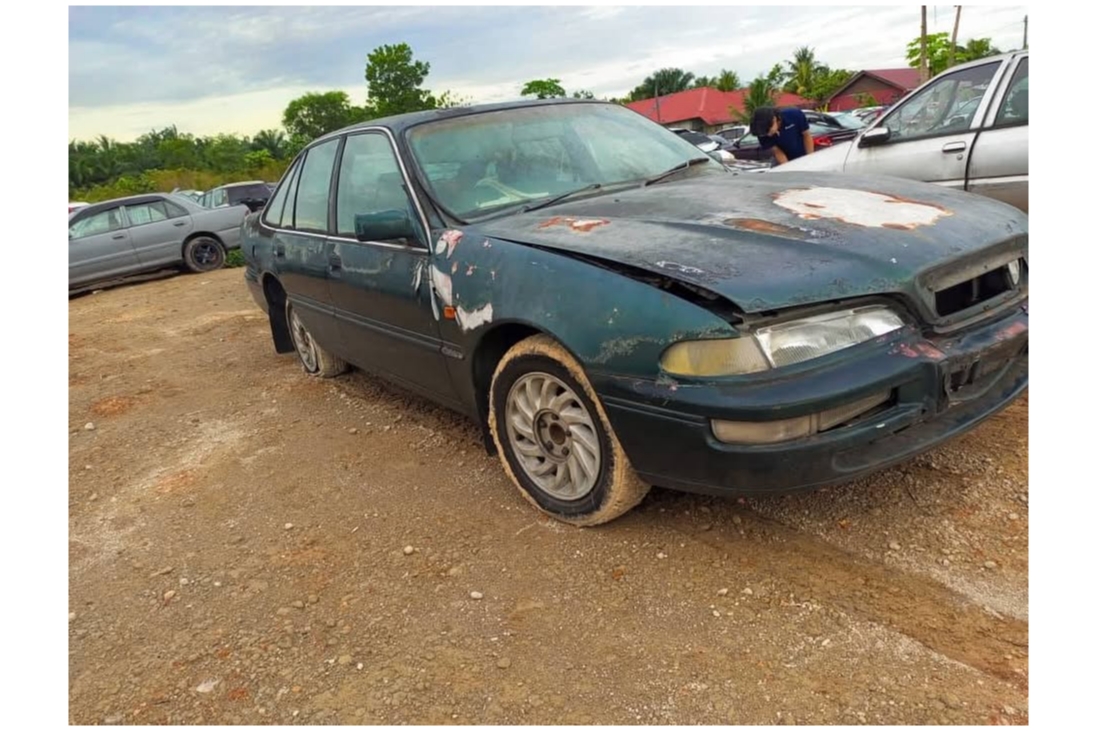
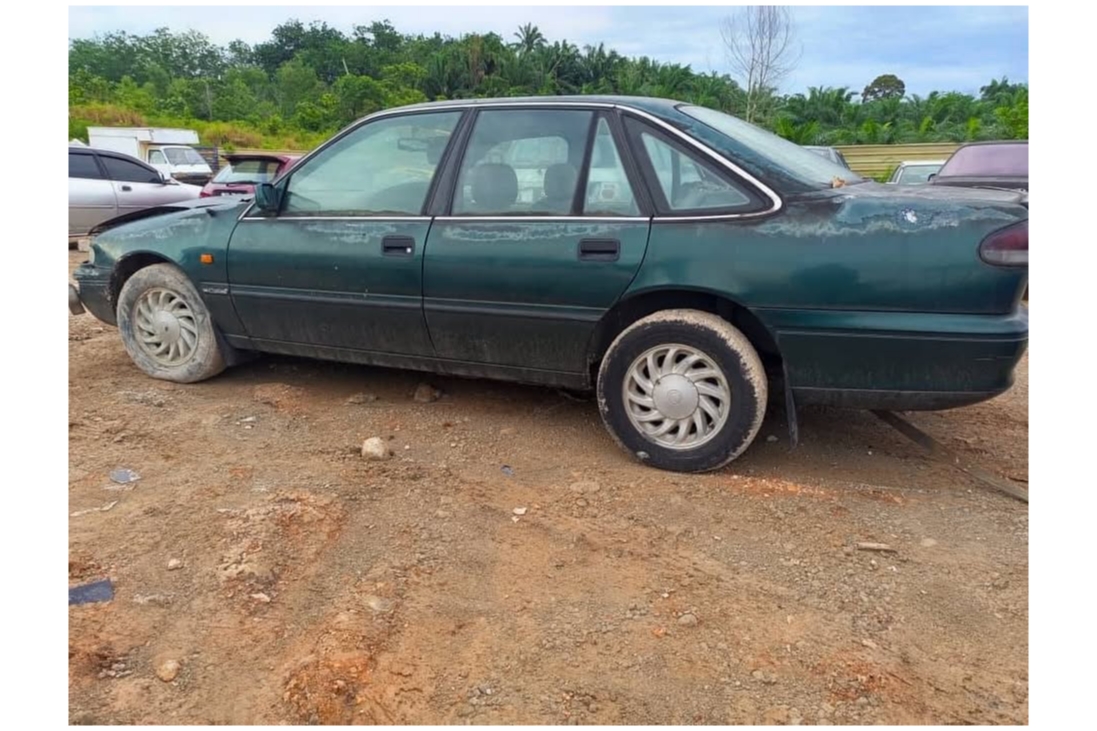
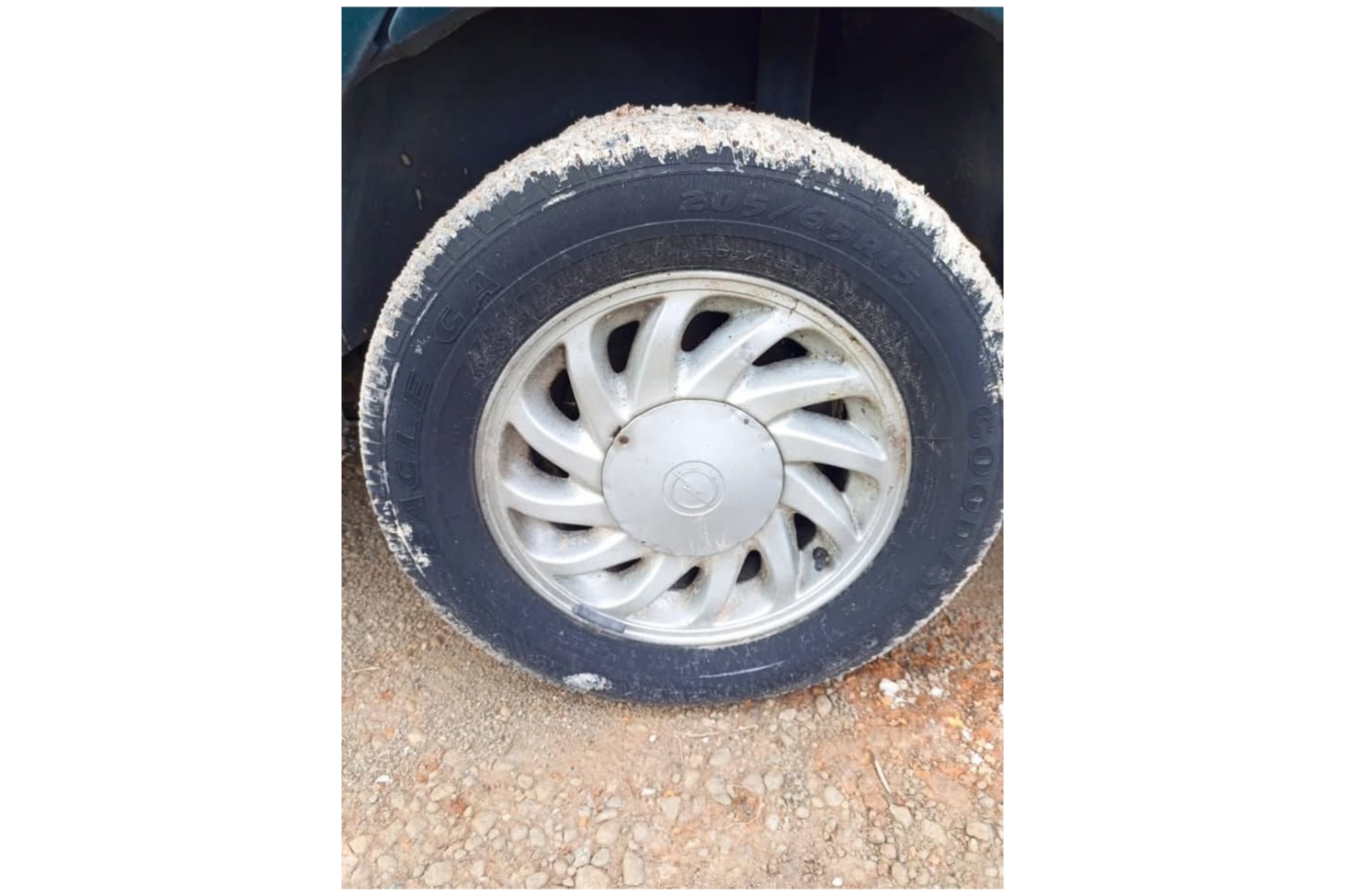
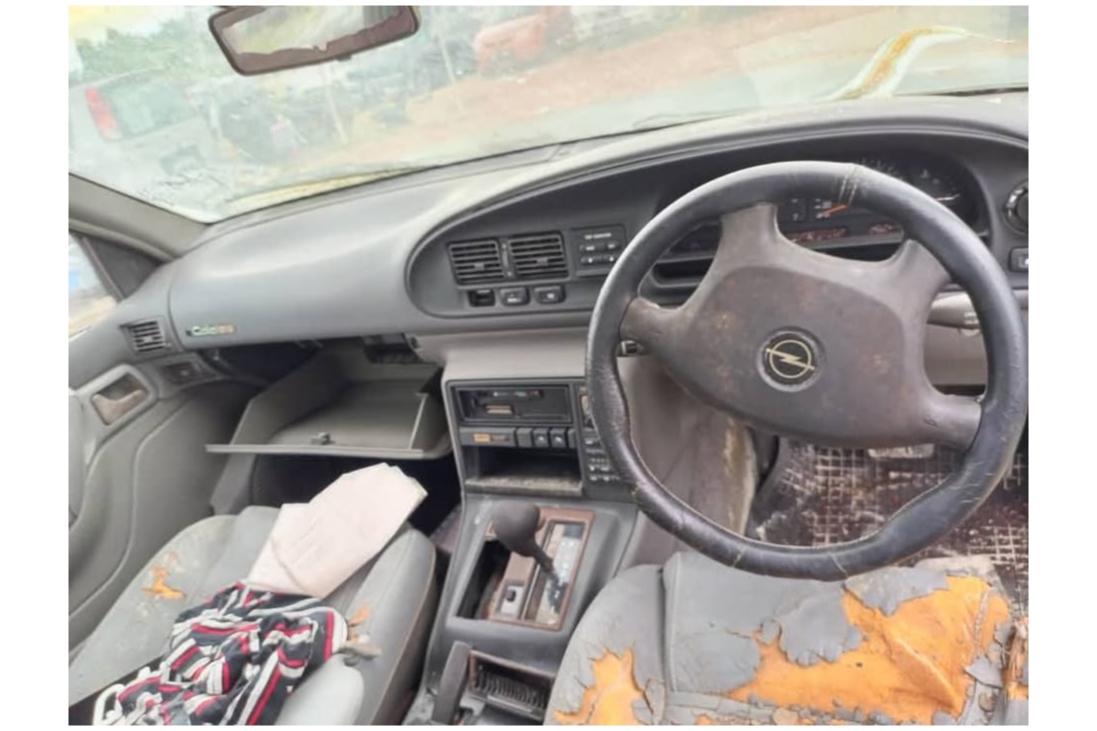
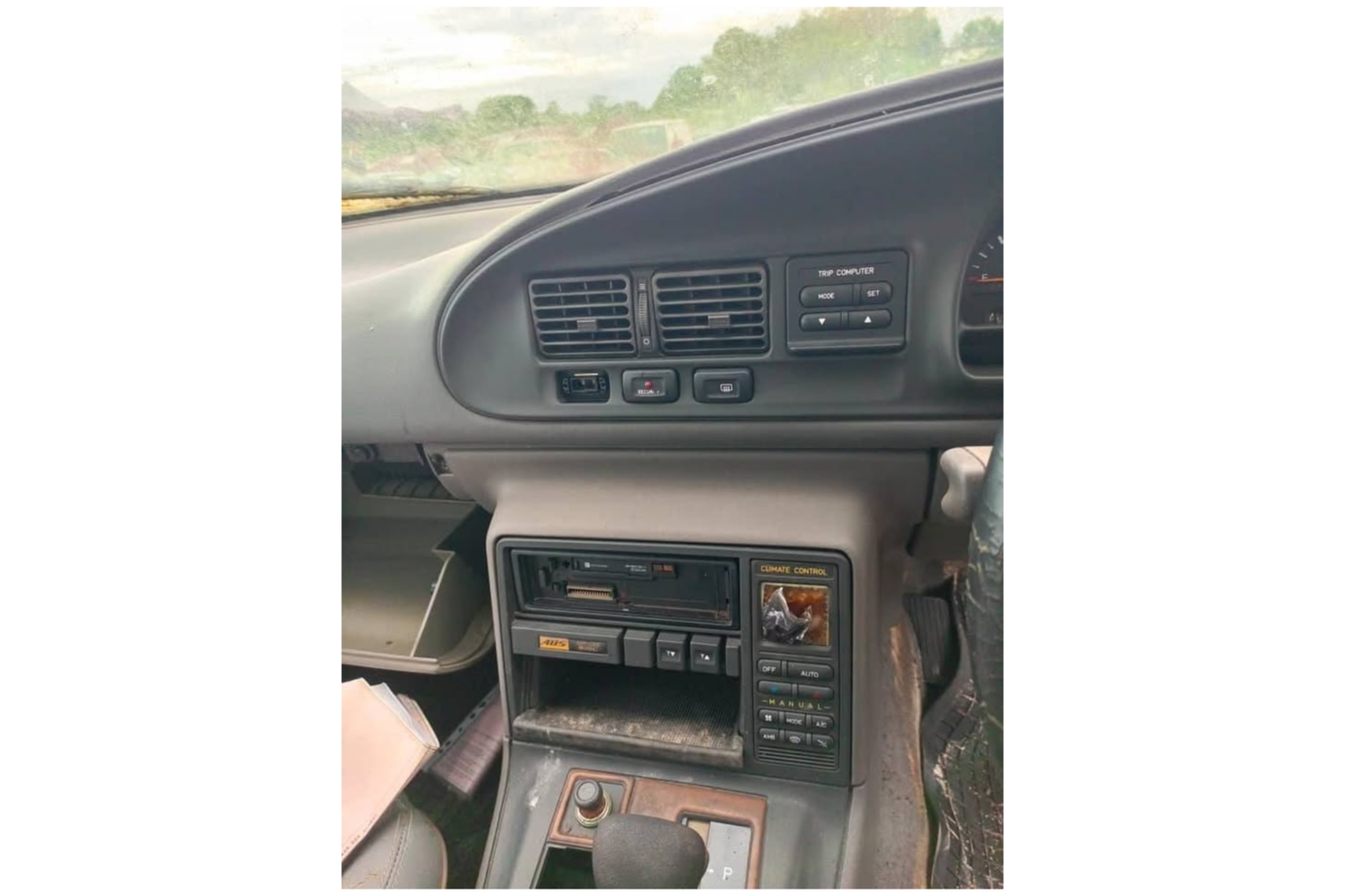
Digging through, I found one such Calais in Malaysia for sale, unfortunately listed for parts and rightfully so, given the startling condition.
Repackaged and rebadged for NZ
A fun fact from an enthusiast states that following the 1997 Asian Financial Crisis, multiple Holden orders from Singapore were cancelled but the vehicles were already produced. Sitting unregistered without a prospected buyer and more importantly non-compliant for Australian Design Rules (ADR) to be road-worthy, these cars were quickly repackaged and renamed as the “Commodore Royale”, and sent to New Zealand for sale.
Another fun fact related to this was similarly for the Malaysian market, 120 units were left in a Melbourne holding yard following the discontinuation of the Calais in Malaysia. These cars as Completely-Knocked-Down (CKD) cars were built up with remaining parts and sold in New Zealand under the same name.
CKD is a term commonly used in Malaysia, referring to cars dissassembled to a certain state to be shipped into the intended market as a half-finished vehicle, with the rest of the parts shipped separately and assembled locally to avoid higher taxes and prices. Built-up cars imported full are referred to Completely-Built-Up (CBU).
Current ASEAN presence
Holdens are an ultra-rare breed in the ASEAN region, with only one recorded Holden left in the Singapore’s Land Transport Authority’s database as recent as 2025, on Classic Scheme. As the Calais was sold as other makes in other markets, these Australian-produced vehicles may also be cluttered with other manufacturers like Opel and Chevrolet, who was also under the General Motors wing up until 2021.
These have a better opportunity to be running around as Malaysia is not (yet) bound to any forced scrappage schemes, but the Australian community there is also just as tiny.
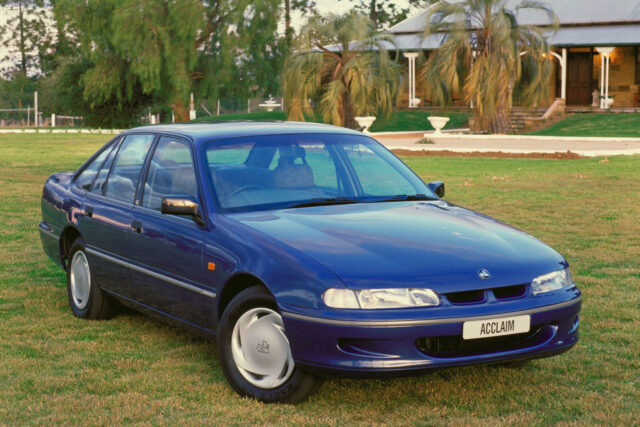
This was originally going to be a single post, but due to website instability, you can read more about (possibly) the sole ex-Singaporean Calais still running!
~SatriaRX, Inui & Linus
Read more: SG Archives: Holden Calais 2.6 Dual-Ram