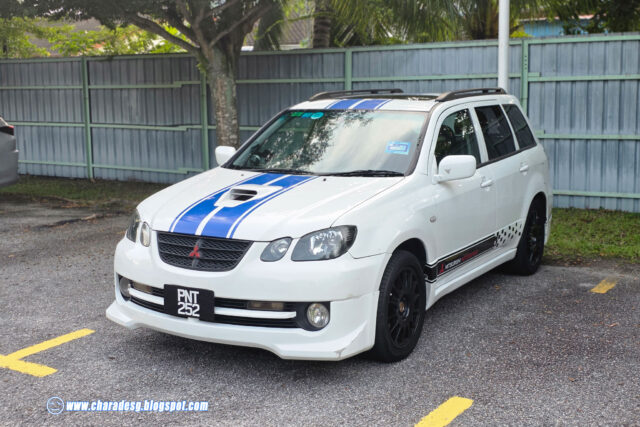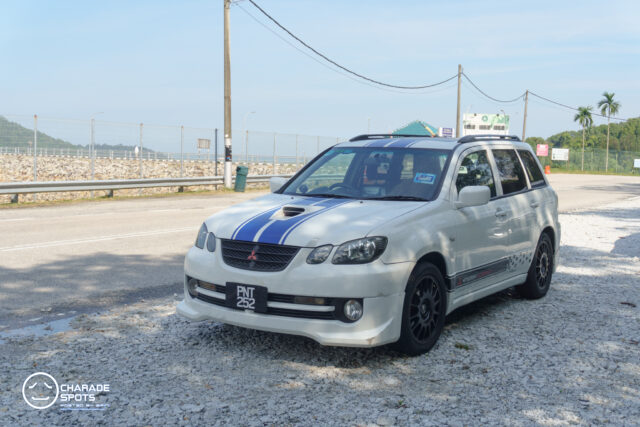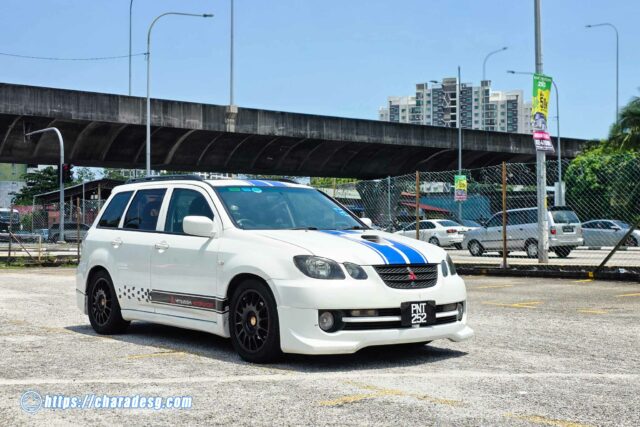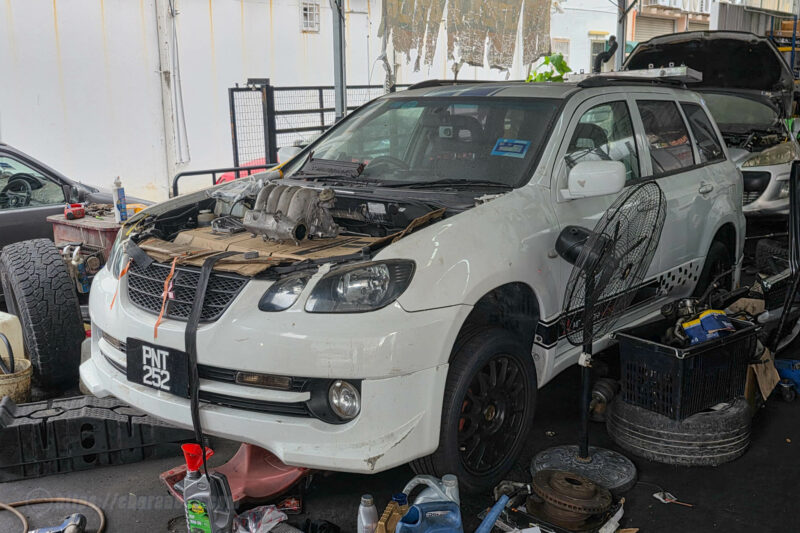
Recovering, Trek is taking its first steps post engine repair.
The last update on our Mitsubishi Airtrek Turbo was announcing the unfortunate news that the engine was on its way out, suffering a bad misfire which was caused by a headgasket failure. Tearing down to the block revealed that the cylinder head and engine block had suffered corrosion, hence the inevitability of the headgasket failing.
While sourcing for an engine was recommended and carried out, we found out the hard way that a good majority of halfcut engines have sat out for long enough that their cylinder heads were also in about the same condition.
It is now closer to five months that Trek has been out of commission.
It was decided, albeit with caution, to repair the existing engine and snuff out the issues so that it can be roadworthy again.
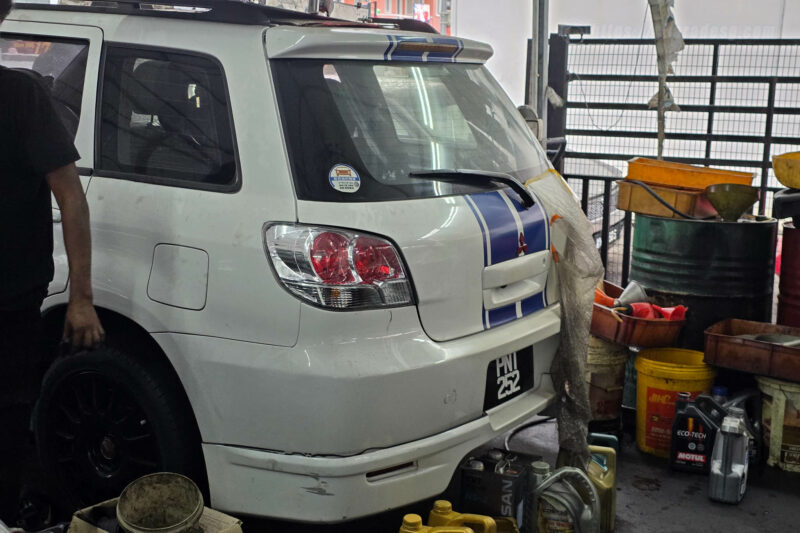
The wait to repair is quite anxious, whether or not this is the primary mode of transport for us. The first time having significant downtime for close to half a year is a lingering worry that apart from time spent, is also a monetary woe.
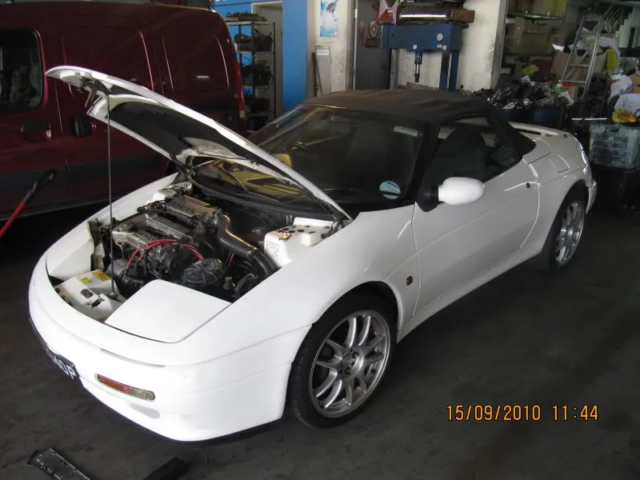
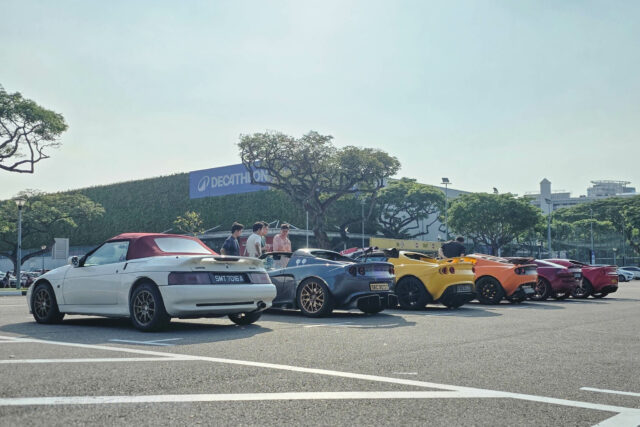
The Lotus at the same time was halfway towards the same old headgasket issue, very early signs cropping up a few months before. It was towed back to the workshop shortly after the Airtrek “died”, which the Elan’s headgasket was also found to be on its way out.
A replacement engine for the Airtrek was about RM3,200 (S$1,000). A full engine gasket set for the Elan was £304.33 (S$527) including shipping. For two cars to suffer headgasket failure at the same time is diabolical timing.
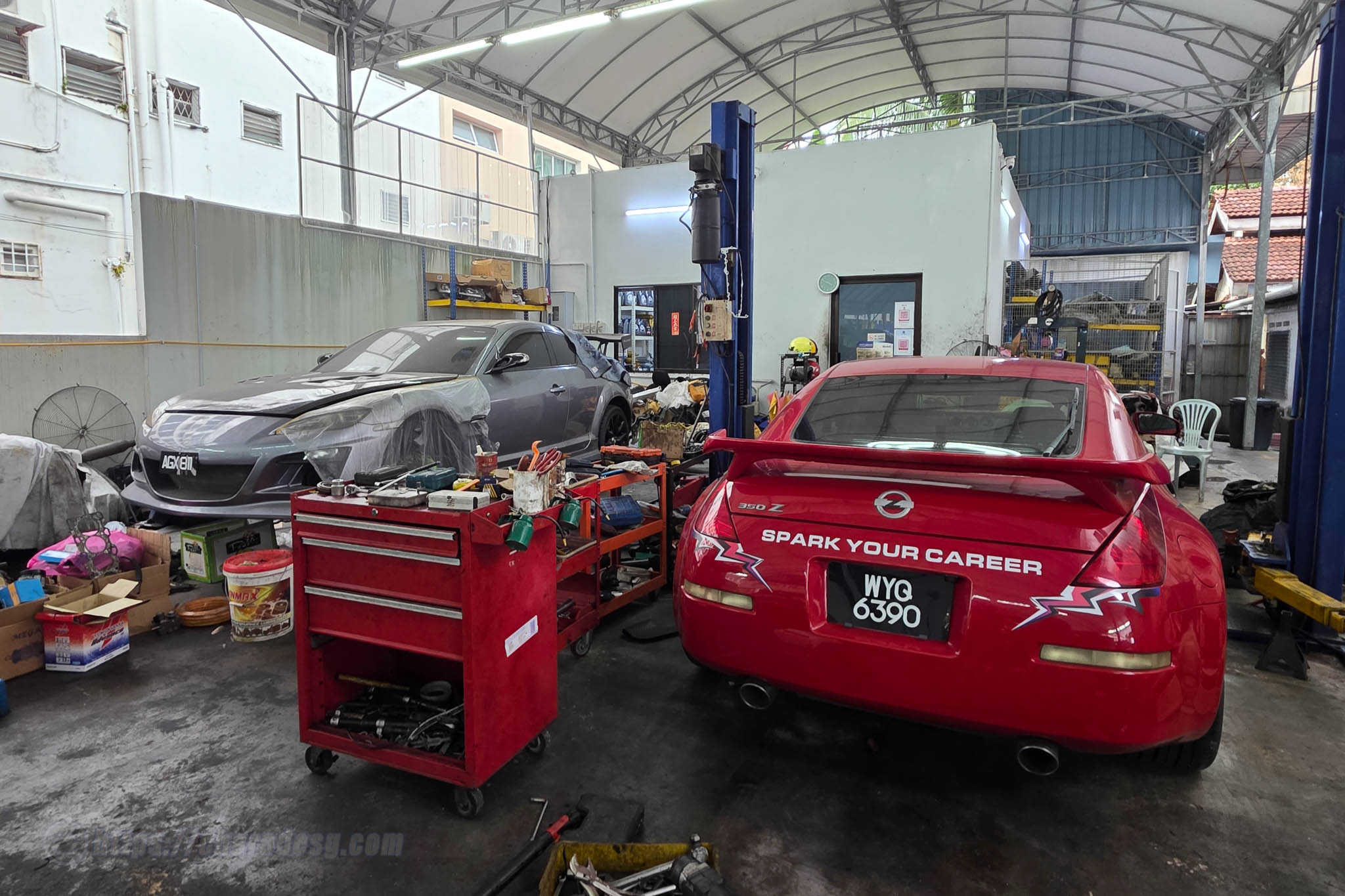
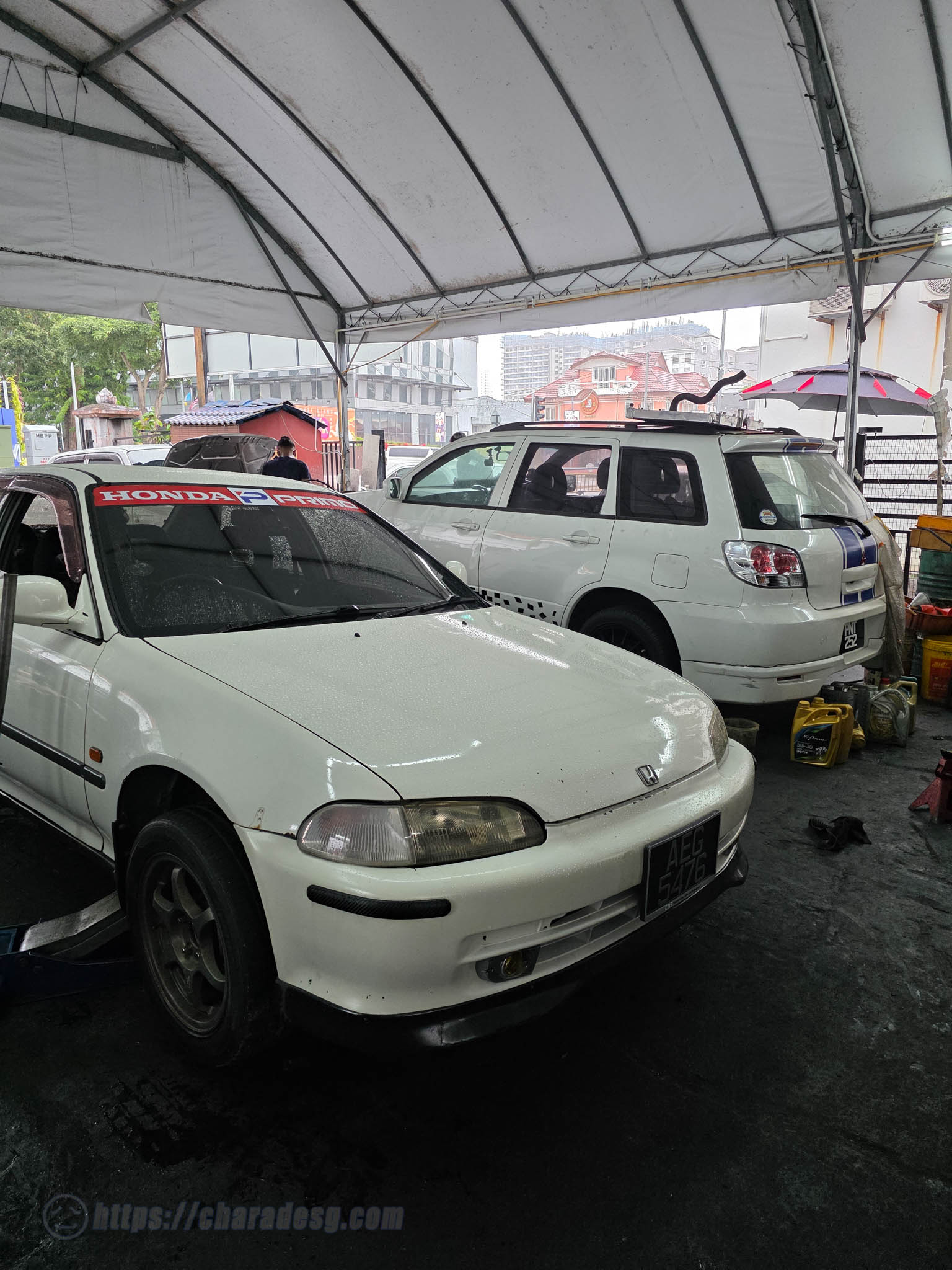
At the very least, the Elan was completed in two months instead of the five months that the Airtrek is still doing at the time of writing.
No choice, such big jobs vary from car to car, workshop to workshop, country to country. While some could probably say it is a miracle that the Singaporean car made it out before the Malaysian one did, both jobs were similar but not the same. The rusting in the block of the Elan was not poor to the point of requiring sourcing of a new block, which would be extra downtime.
Four months later from the initial workshop visit, the Airtrek’s engine was beginning assembly after leaving a foundry to undergo repairs.
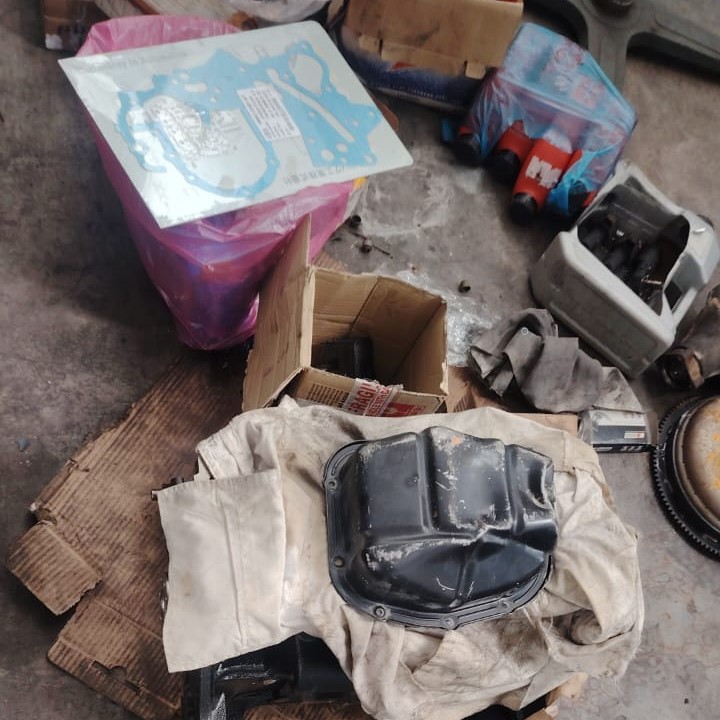
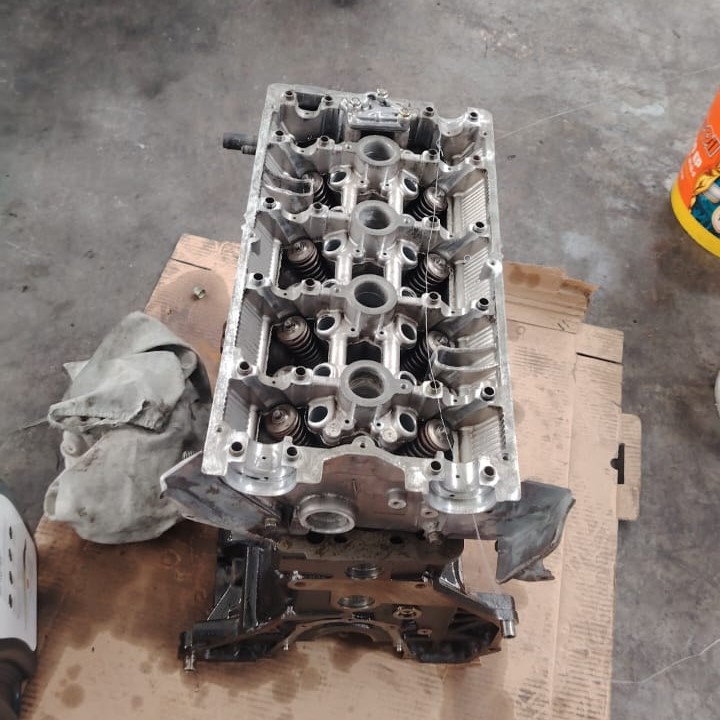
I heard some comments about “forging” the engine, which I would assume is upgrading the pistons and/or conrods which would ensure durability, but whether that job is actually being done is something I’ll have to reaffirm again with the workshop.
In any case, some five months since the biggest headache in my family’s automotive journey, Trek is up and running again.
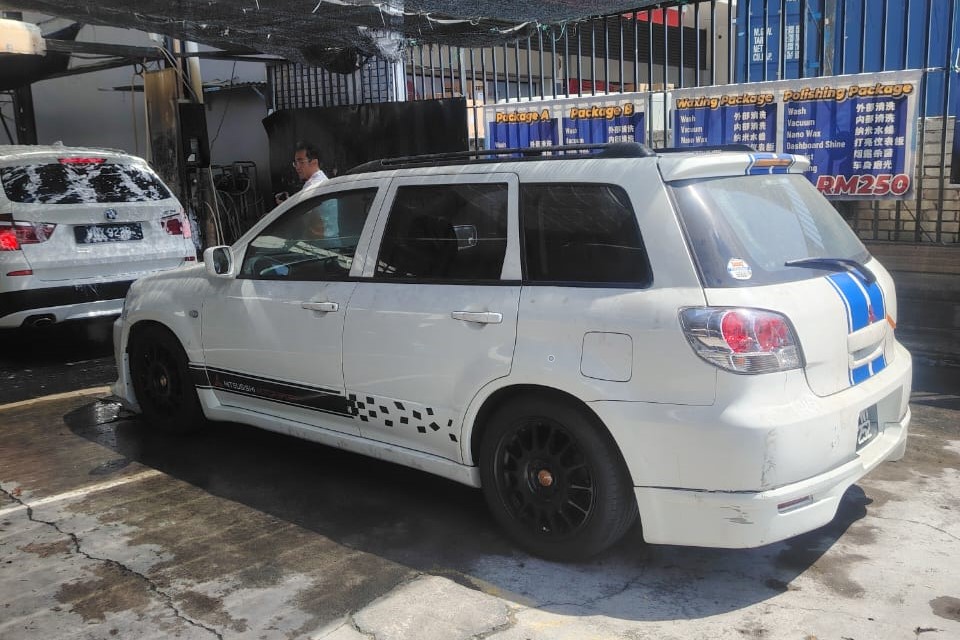
The to-do list apart from the engine itself was also lengthy. Turbocharger system, rear wiper and coilover conversion were all rectified and done up too.
The turbo which was likely suffering from a boost leak is has been solved and should be making fresh power; an Airtrek without its turbo is seriously sluggish – which wouldn’t help the fact that the extra load on the engine can and has blown the air-con compressor twice.
The rear wiper motor has been fixed and now functions. The original suspension system has been swapped to a set of Titan SP-3 adjustable coilovers. Titan is a local Malaysian brand, and I will update on its performance in a later article. Quoted new was RM4,880 (S$1,561), so I’ll have to assume for now that its going to be worth that amount.
Its good to hear that Trek is now back on the road again, and while we are still arranging to have a more bits and pieces done (alignment, instrument cluster lighting, hazard switches, steering wheel buttons, third brake light, bumper fittings), the core items which primarily is the engine are now up to snuff and should last another ten kilometres or so.
~Efini
Read more: Trek: Goodbye engine!