

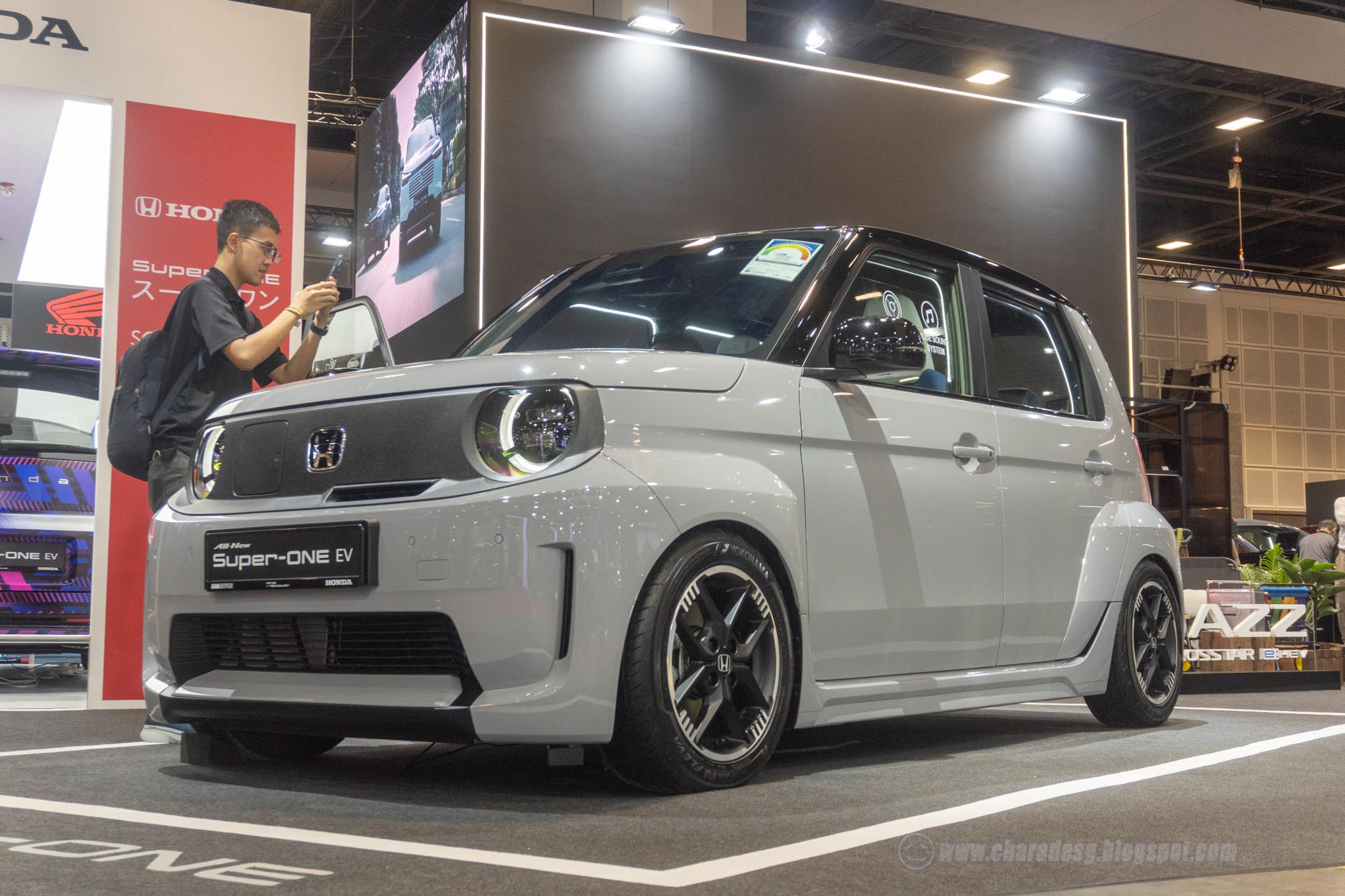
The debut of the very pretty and production-ready Honda Super-ONE EV at the Singapore Motorshow 2026.
While the Singapore Motorshow 2026 is completely swamped with the influx of new Chinese companies with much justified wails from certain motoring circles, all hope is not lost especially with a few legacy manufacturers still showing and debuting genuine enthusiast cars.
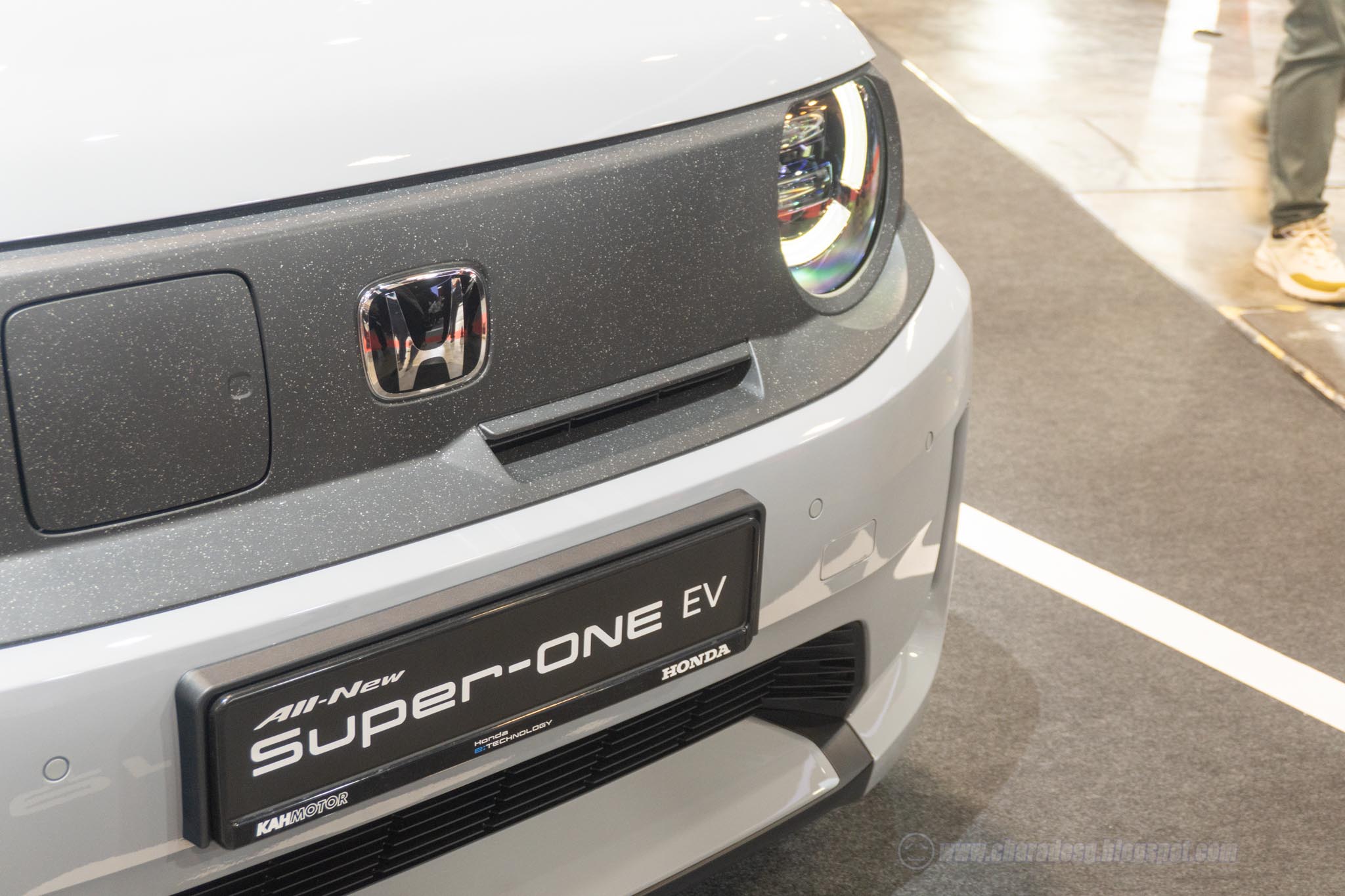
Honda surprised everyone by launching this, the Honda Super-ONE EV, which I was very close to instinctively writing “concept” at the end of the name, but, my fellow enthusiasts (and Honda owners), let us rejoice as this is a production-ready car for sale here in Singapore market.
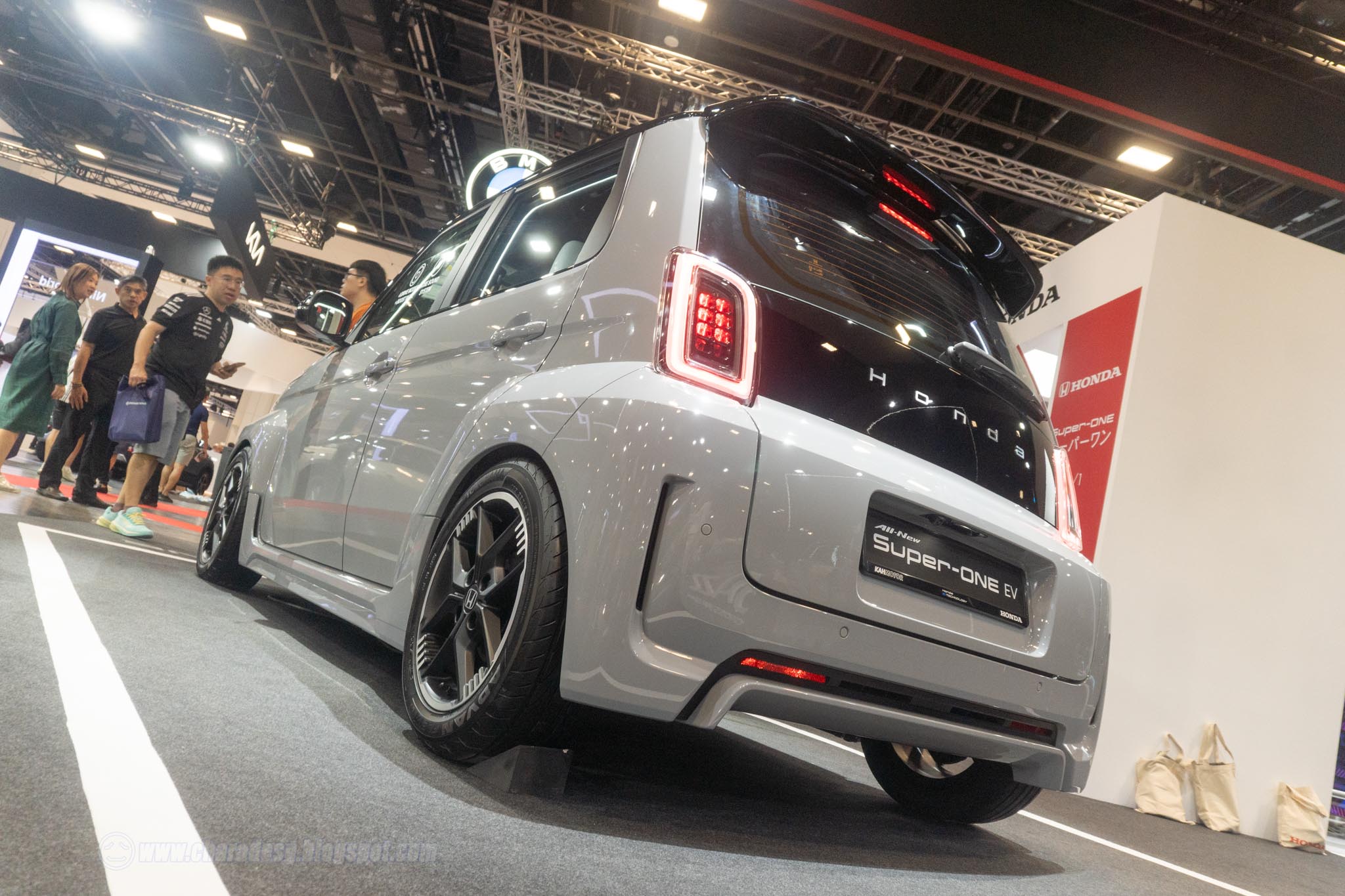
Now, this car isn’t being shown for the very first time, having been presented in the 2025 Tokyo Motor Show, but this would be the first time that the Super-ONE has been shown as a production-ready unit to sell in a foreign market. This is also Kah Motor’s (long-time local distributor for Honda) first electric vehicle for Singapore market, and it starts with this mad little hatchback.
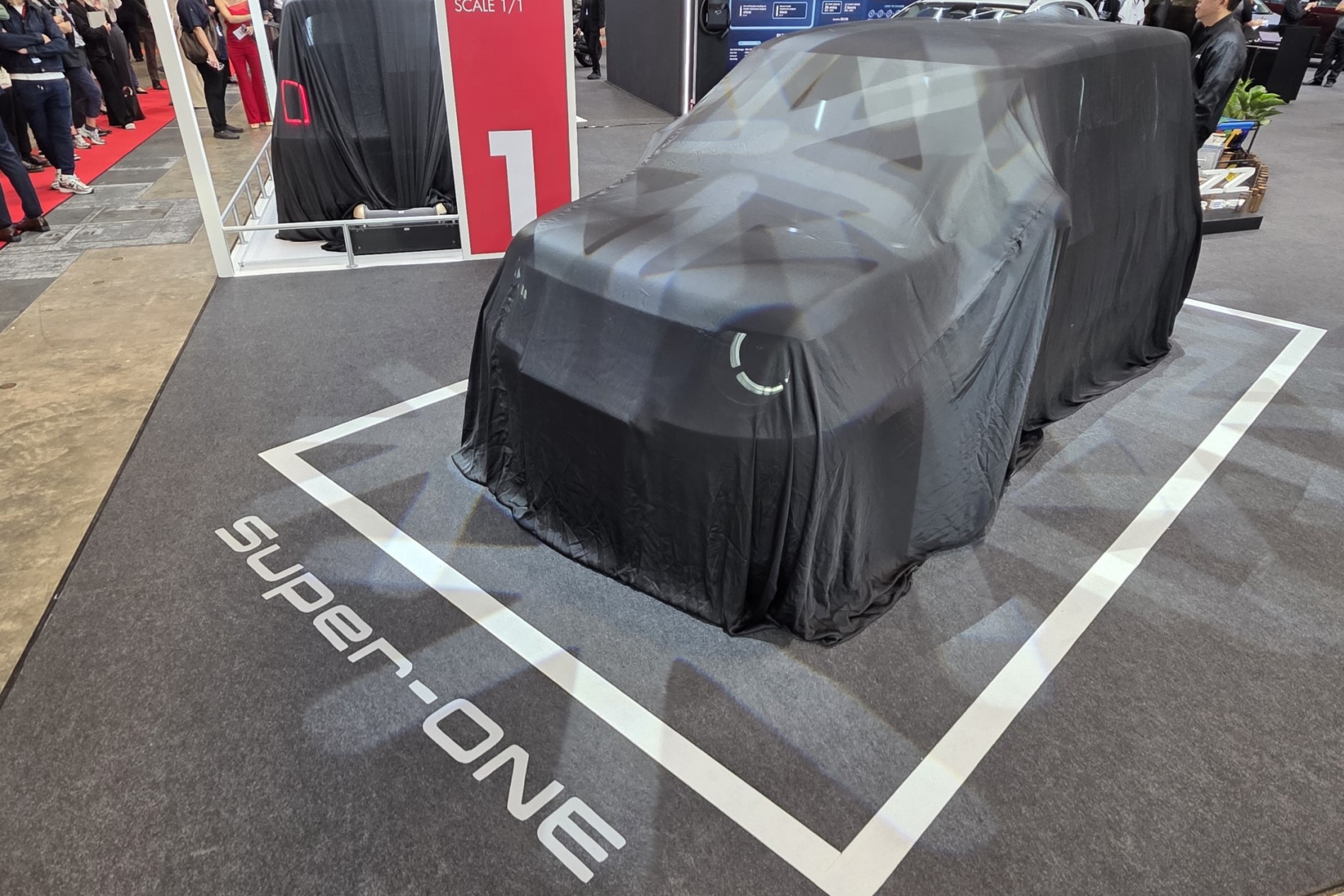
Debuting is two examples, one a more “what-you-see-what-you-get” example without any livery, and one capsuled in a Tomica-like enclosure, with full-body graphics. I think its great marketing and it shows the type of demographic Honda is looking for with the Super-ONE.
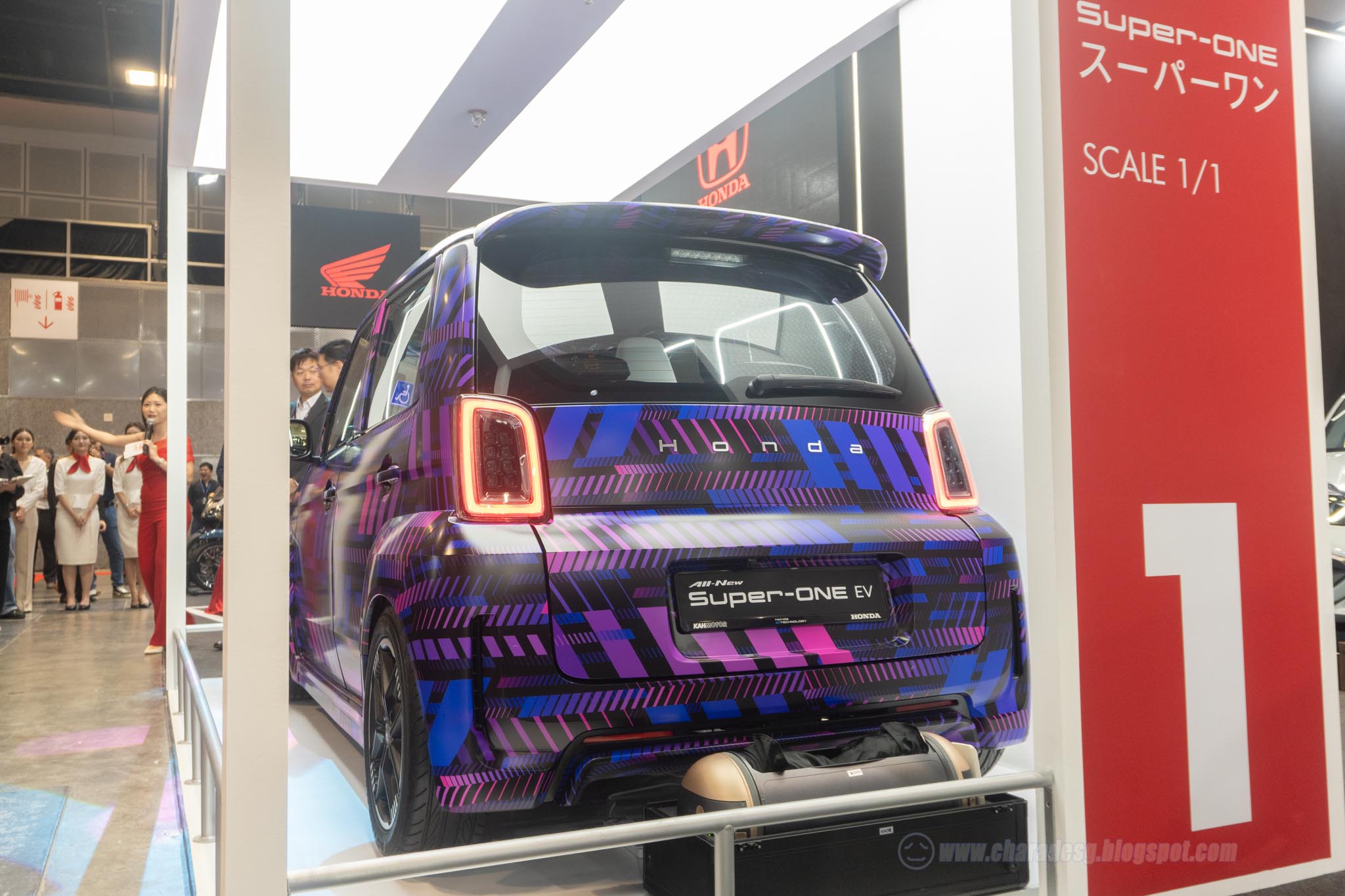
Unlike a huge majority of other EV manufacturers of certain region, Honda’s stated goal for the Super-ONE EV was to create a fun electric vehicle. Other electric vehicles have evidently tacked on a “youthful” outlook but with a pretty lackluster chassis for the younger demographic, but for the needy petrolhead or anyone looking to genuinely have big smiles for small power, this would be the model to keep an eye out for.
I am reminded fondly of the 1980s Honda City Turbo-II, affectionately nicknamed “Bulldog” and with a similar design language. In fact, the Super-ONE may very well be a spiritual successor to that hot hatch.
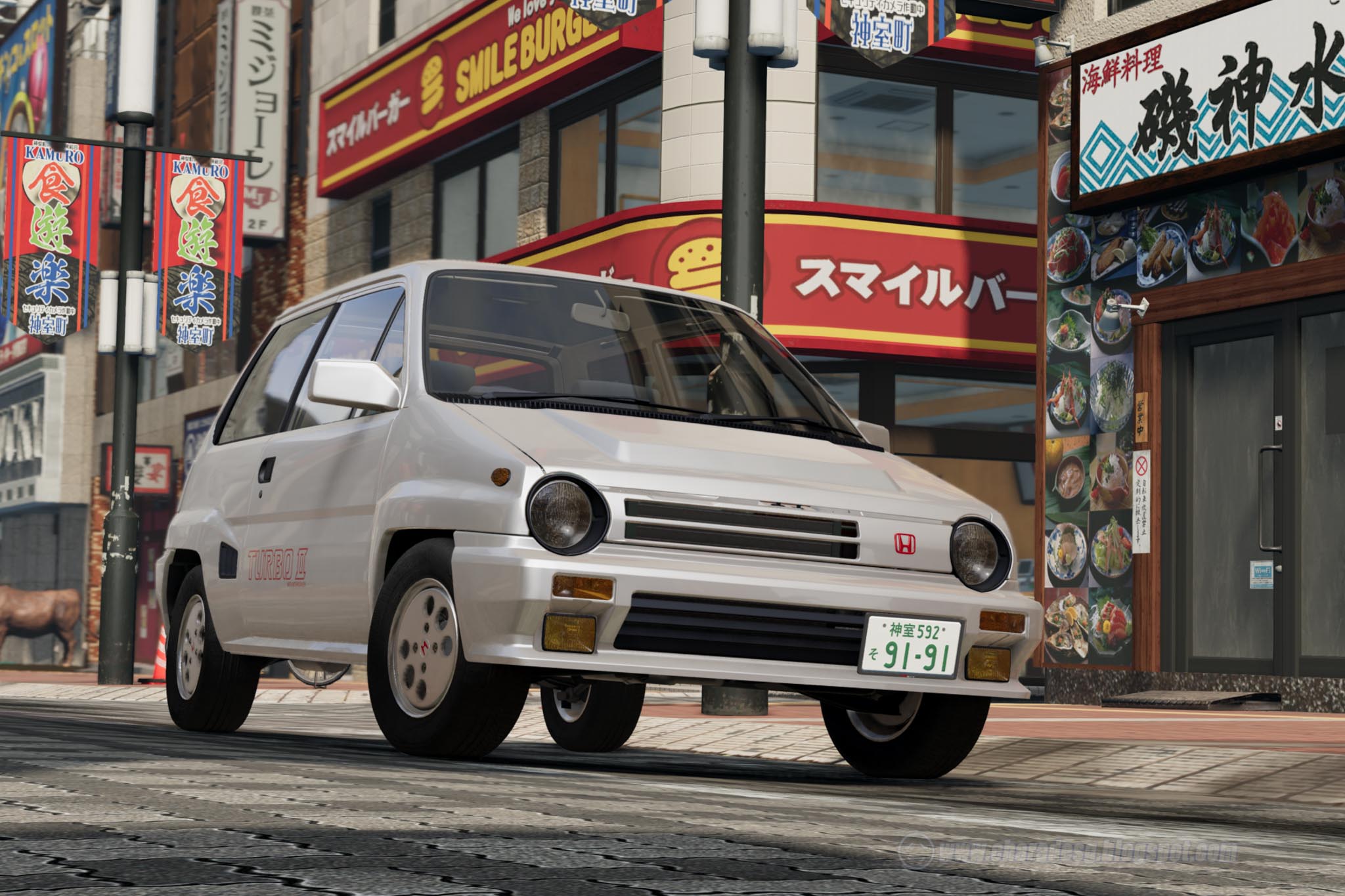 |
| Honda City Turbo-II for illustrative purposes |
The Turbo-II was the highest performance trim available for the Honda City of its time, and featured similar boxy-flared arches and a turbocharged 1.2-litre 4-cylinder outputting 108 horsepower and 160 Nm.
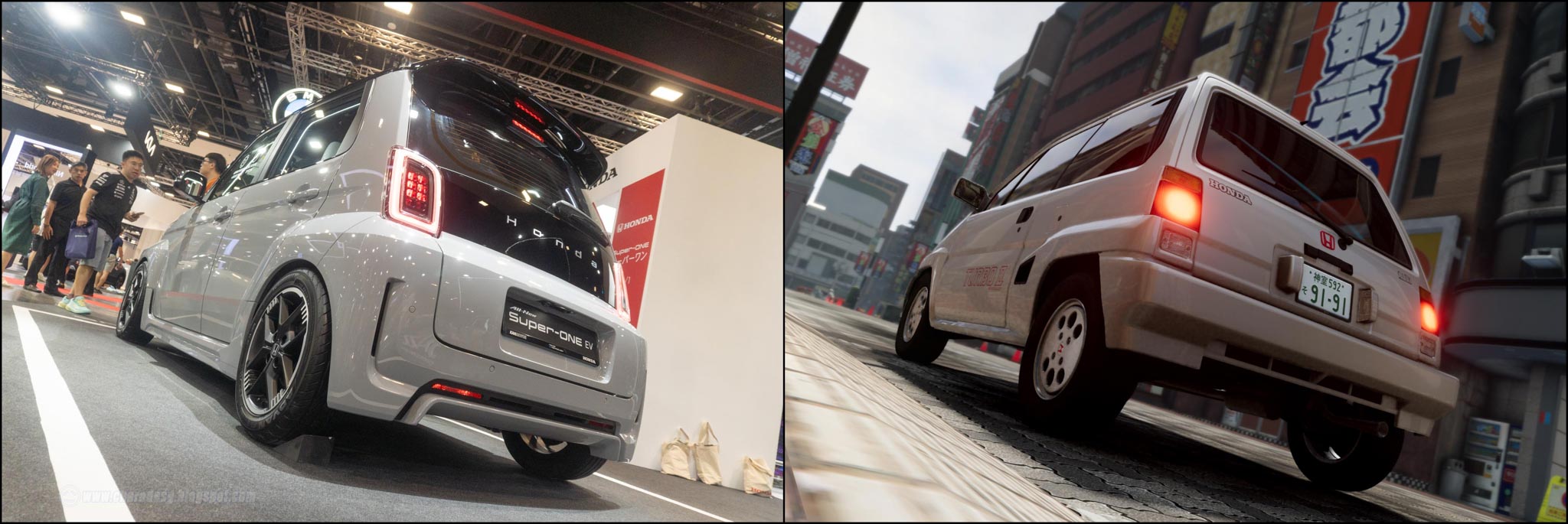
Both cars genuinely share design cues, included but not limited to the single-bulb circle headlights, mildly angry front dam, side rear vents, upwards-sloped rear arches, rectangular taillights, similar front seat design and possibly its colors too.
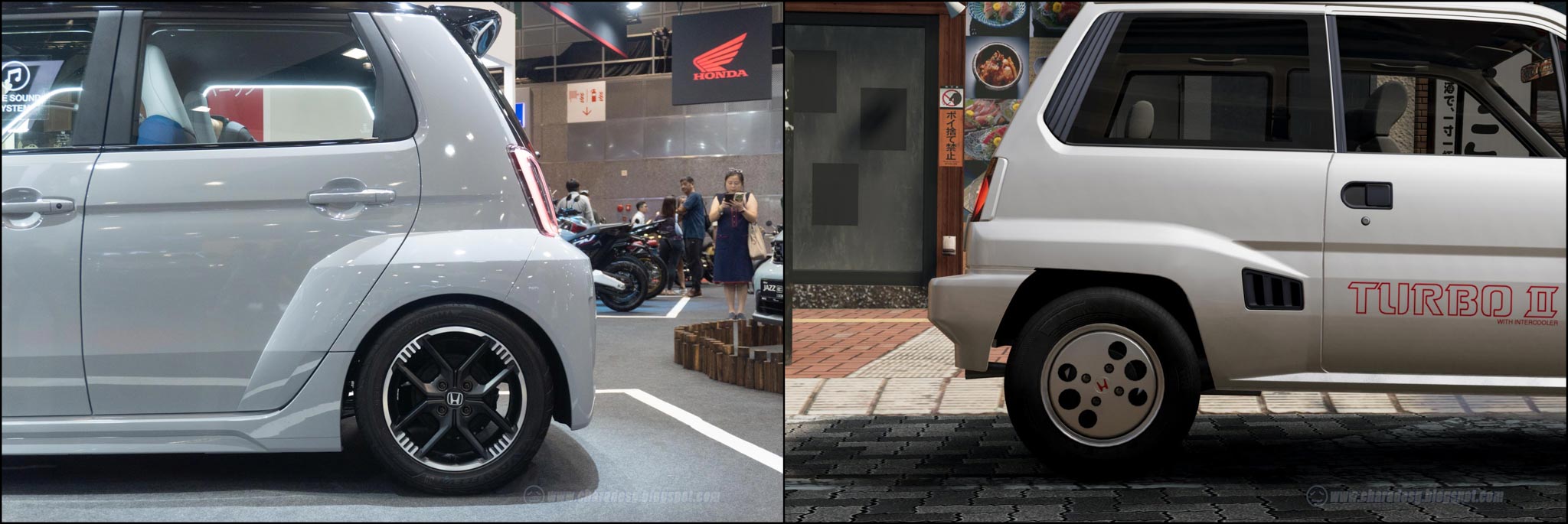
Especially speaking is what this car represents. The Super-ONE is based off the N-One kei car, a much more humdrum city car that did share some elements with the old City.
The original idea of the City Turbo was to take an unassuming model, strap a jetpack on the back and fling it into space; the flared arches serving as protection for space debris; two-wheeled racers in this case. The Super-ONE follows similarly in this philosophy, taking a model no enthusiast has thought about and turned it into automotive lust. Or following the “Bullpup” nickname, throwing a bunch of bullsh#* at it.. that’s too harsh.
The Honda City Turbo-II was actually available in Japan with a very small scooter called the Motocompo.
As a little bit of local trivia, the City Turbos that were sold in Singapore back in the day did not come with said scooter, but the Japanese market was nevertheless available with it. As I hear, there is actually a registered Motocompo now in Singapore.
Honda currently sells the successor to that compact scooter called the Motocompacto, which is currently a US-only electric scooter that follows along the same concept as the Motocompo. I think Honda could sell the Motocompacto with the Super-ONE; which I am hoping they have at Tokyo Auto Salon 2026, which is later today.
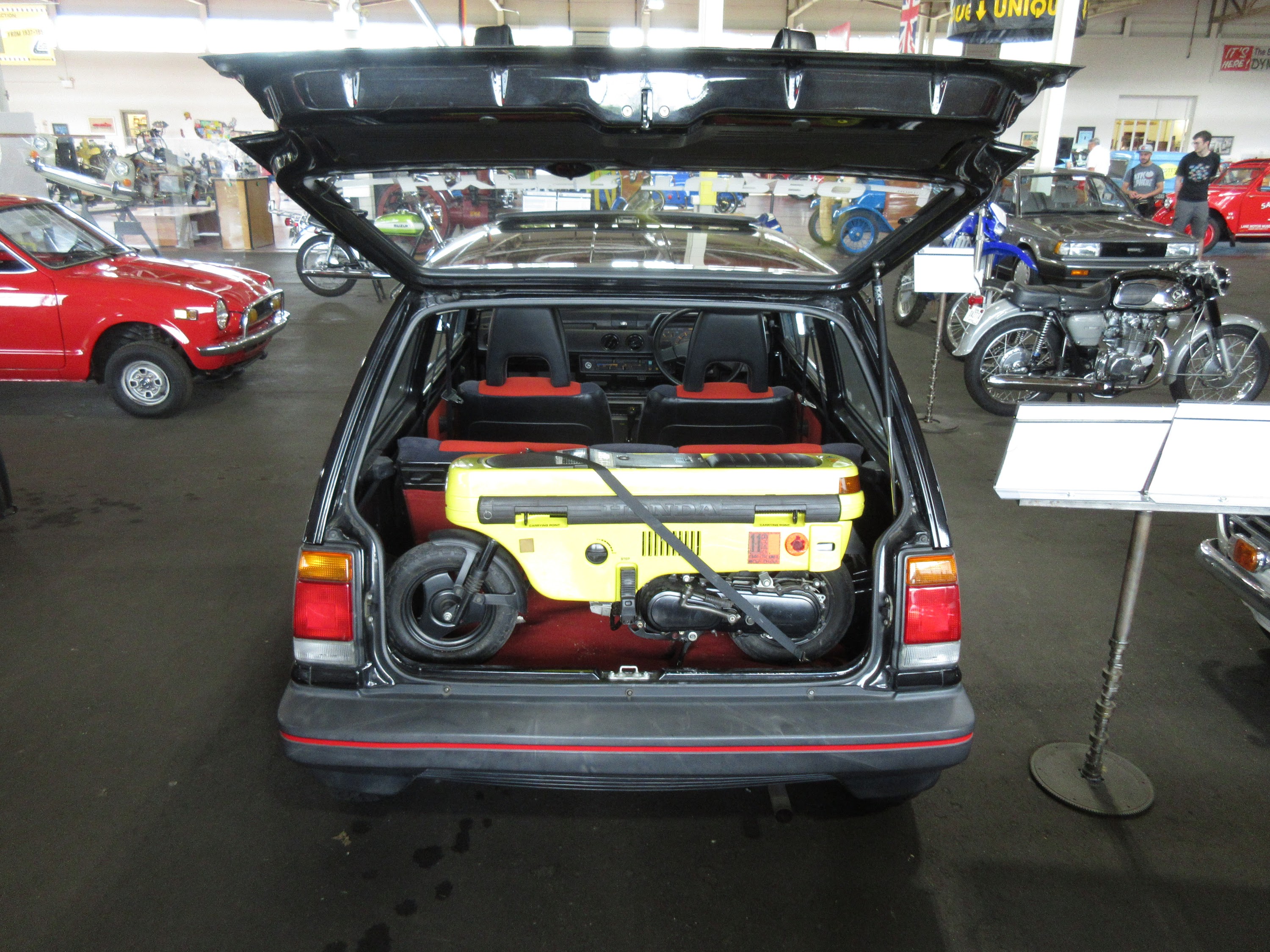 |
| Honda City with the Motocompo scooter. Image credit: zombieite, Wikimedia Commons |
As a functional kei-car, the Super-ONE fits four adults and no more. Given the dimensions, it isn’t station-wagon levels of practicality but for a zippy runabout, looks sufficient for commuting with people and their belongings.
The interior is workable, with uniquely-styled front sports seats that appears to follow the coloring and approximate shape of the old City Turbo II’s. Both front and rear seats are leather with the fronts having some suede textures. A two-spoke steering wheel with paddle shifters and 9″ display screen is most of what is on the dashboard, and included are physical buttons for climate control and similarly important controls.
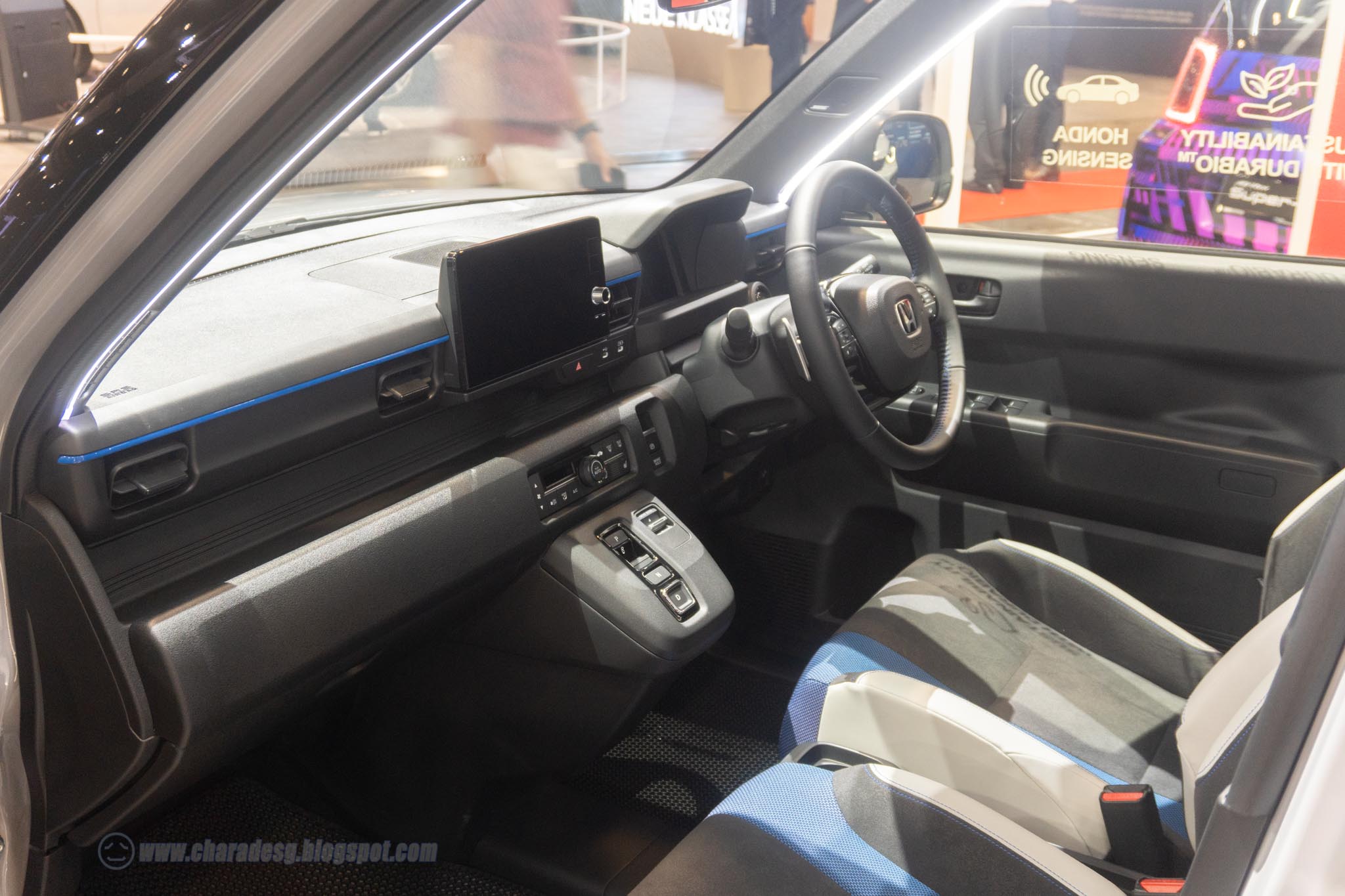
The Super-ONE comes with a BOSE 8-speaker sound system with the infotainment system supporting both Android Auto and Apple Carplay, with supported Google Assistant.
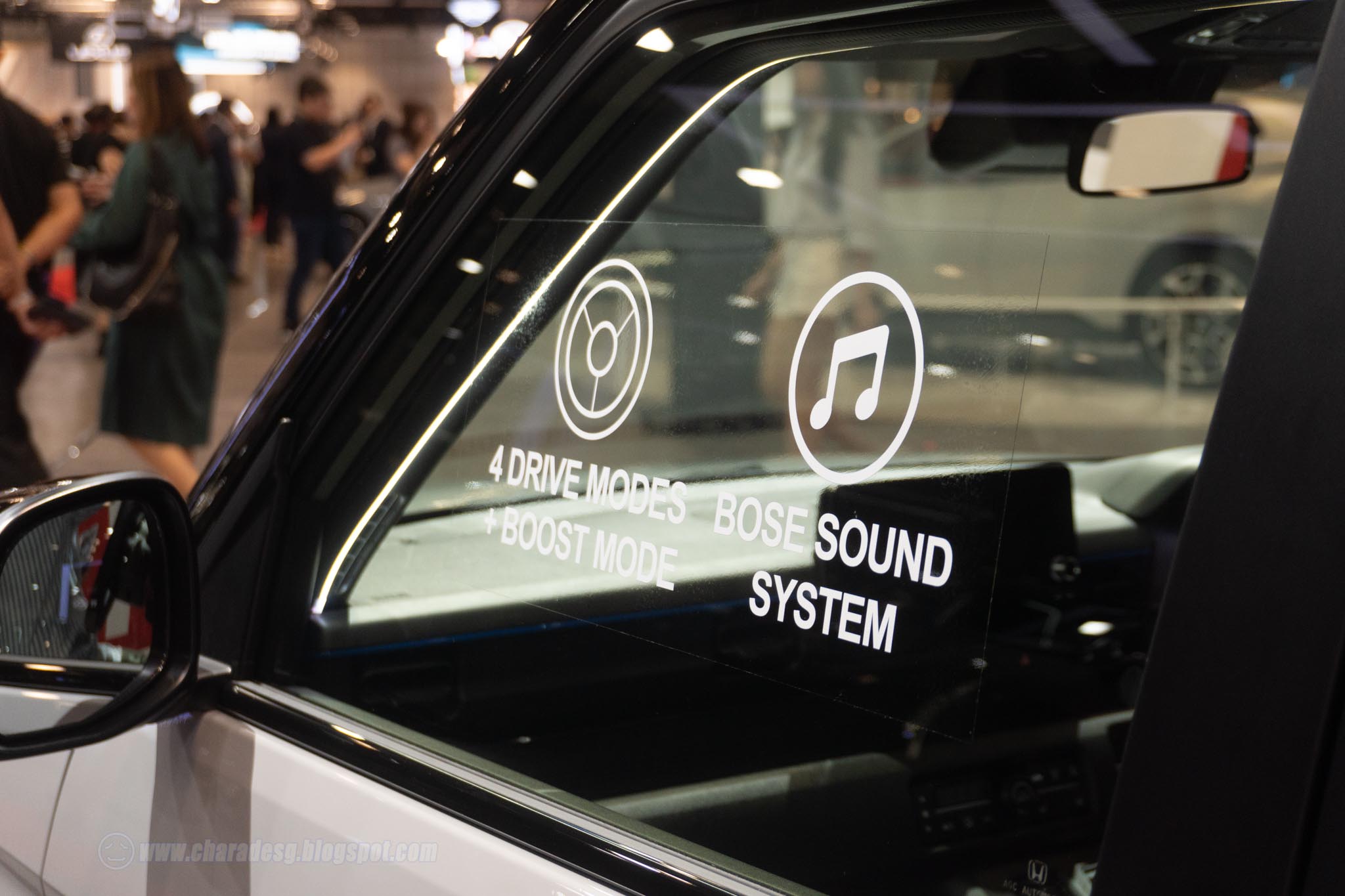
The puppy-inspired Super-ONE features two different levels of power. Four drive modes restrict power output to 47kW, or 64 PS (63 horsepower) and 162 Nm. The performance-y way is dubbed “Boost mode”, which will strap the little motor up to a maximum output of 70kW, or 95 PS (94 horsepower).
It follows the Hyundai Ioniq 5 N in the form of simulated gear shifts with a seven-speed transmission, hence the paddle shifters on a supposed fully-electric vehicle.
Frankly it isn’t going to match the levels of the recent Honda offerings; the closest comparison being the current Fit/Jazz, but it could be the gateway for future models to come, like the City Turbo-II was before the likes of the Civic took the throne. In an electrified era though, I’m left wondering myself..
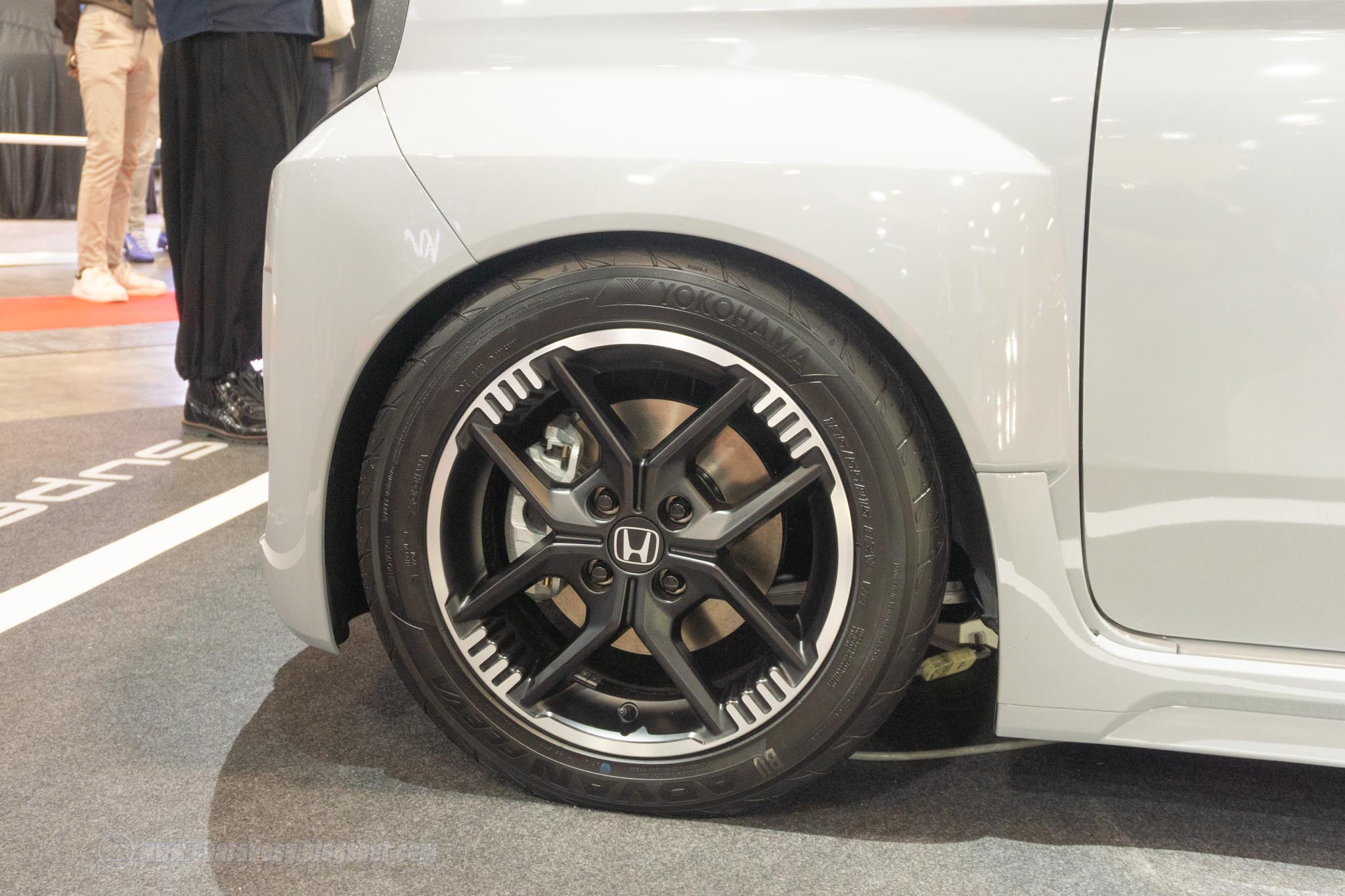
Wheel sizes are affordable if not fitting for old-school builds, the new-old-cool 4-spoke OEM wheels being a 15″ size. It could fit a size higher up to 16″ for eventual buyers but the 15″ setup is the definitely the way to go – old school yet new and refreshing.
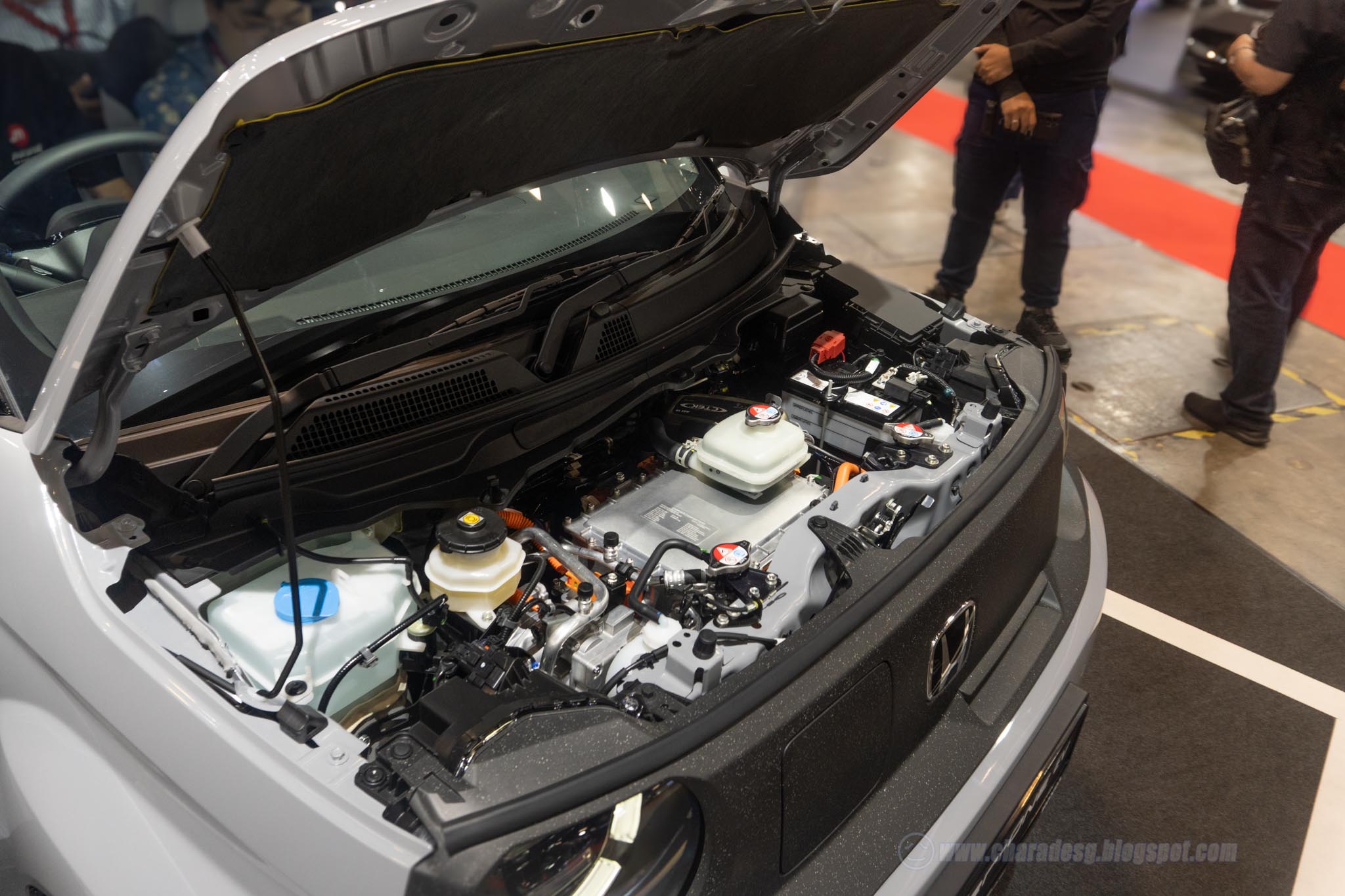
Fuel ec- sorry, energy efficiency economy is a quoted 6.62 kilometres per kilowatt (15.1 kWh/100km) from its 29.6 kWh battery capacity. This does lose out to the economies posted by some Chinese makes, but not fully to the point where you ought to look elsewhere. Range is not explicitedly mentioned, but my estimate is around 300 kilometres on a full charge.
Charging figures are quoted to take 30 minutes for a 20% to 80% charge via a DC fast charger (rated 50kW), and three hours for a AC slow charger (rated 10kW) for the same percentage increment.
If you were formally a Honda owner or you like old hot hatches that were more warm than hot, this Super-ONE EV is something you should keep watch of. I’m quite happy that Honda has gone out of their way to unveil this locally in Singapore, but more importantly to bring it to production when few “cheaper” sports-oriented cars are still available.
Most of the local motoring journalists definitely flocked to this car after they pulled off the sheets. With many coming from prior Civic or Integra rides and as a current owner, the pull on this is alluring.
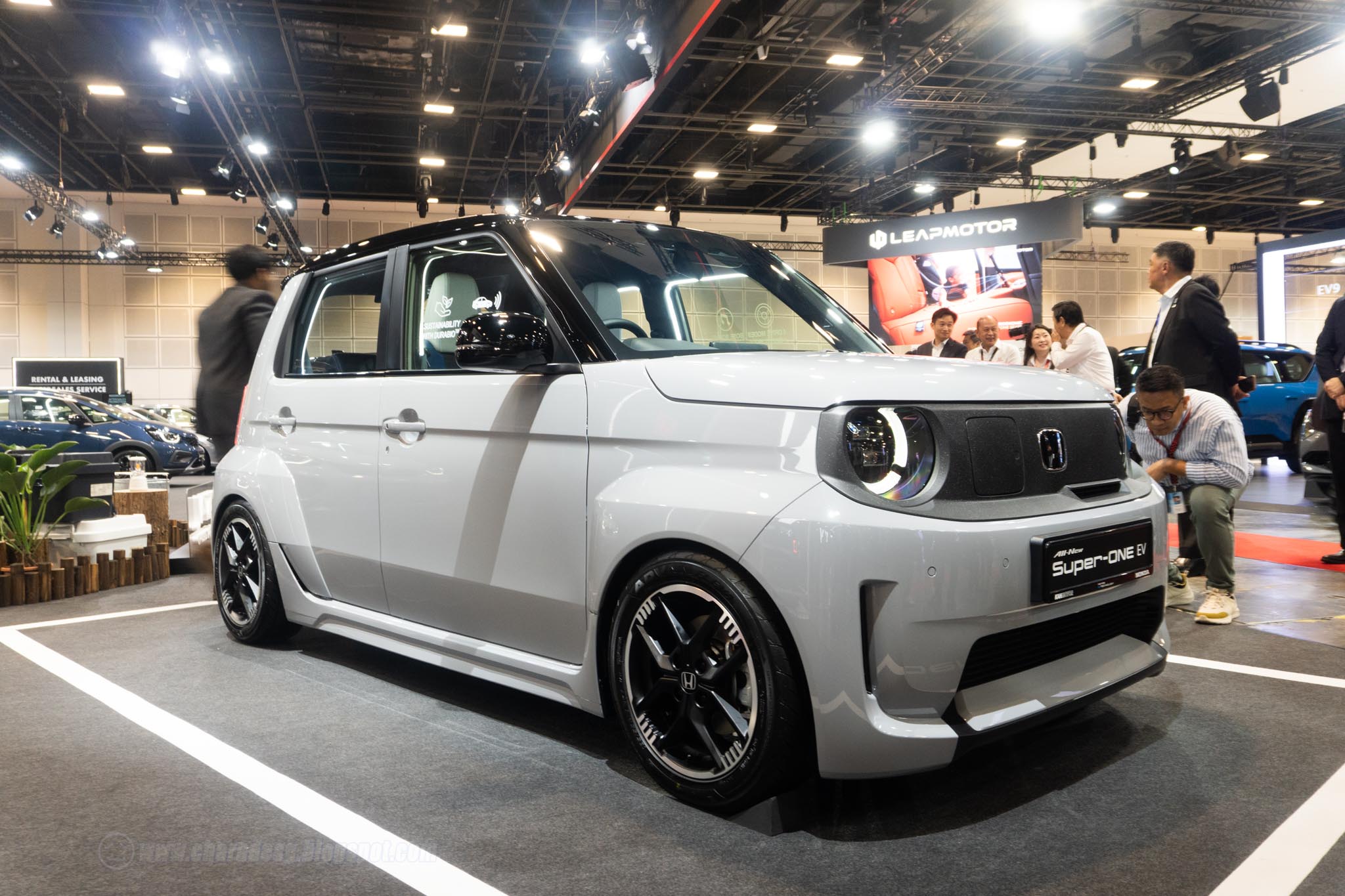
The Super-ONE EV is already taking pre-orders at the Singapore Motorshow 2026, with a (current) early bird price of S$168,999 without guaranteed COE, and S$171,999 with guaranteed COE.
Normal pricing will be around S$178,999 without guaranteed COE, all inclusive of Category A Certificate of Entitlement (COE).
Specifications summarized:
Dimensions: 3589mm (L) x 1573mm (W) x 1616 mm(H)
Wheelbase: 2520mm
Wheel track: 1345mm (front) / 1346mm (rear)
Ground Clearance: 140mm
Curb weight: 1092 kilograms
Turning Radius: 5.2m
Power output: 64 / 95PS, 162 Nm
Battery capacity: 29.6 kWh
Brakes: Ventilated Disc (front) / Drums (rear)
Wheels: 185/55 R15 82V, 15 x 6.0J AL
Tyres: Yokohama Advan Fleva (on show car)
Price: S$178,999 w/o guaranteed COE (S$10k discount for early bird price)
*Some info may be subject to change, either by Honda or by any of our writers in case of incorrect information or updated releases.
~Efini
Gallery:
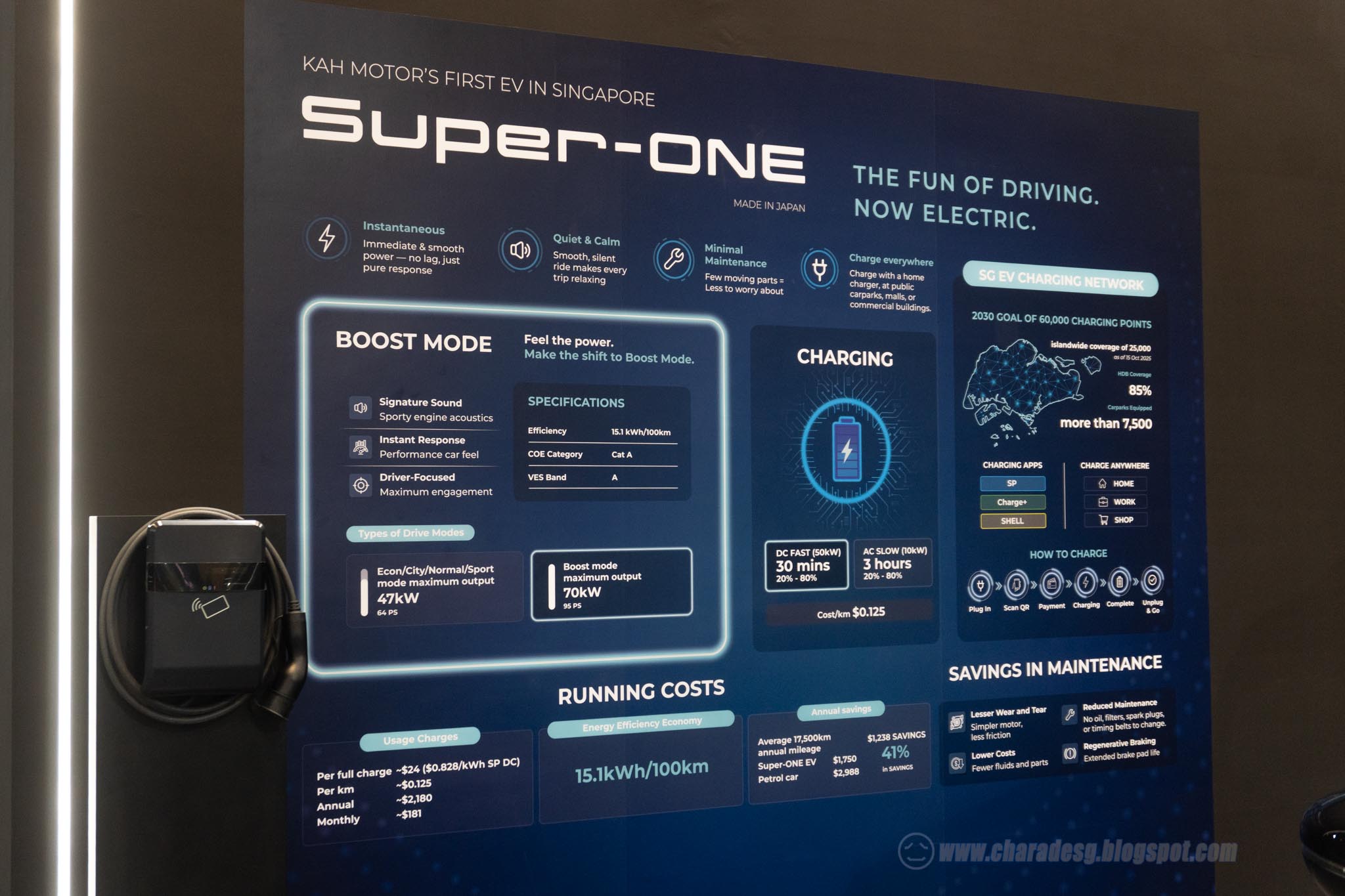 |
| Listed specifications for the Honda Super-ONE EV |


Read more: SG Archives: Honda Civic Type R (EK9)

looks really mad